Japanese Culture and Etiquette for Tourists
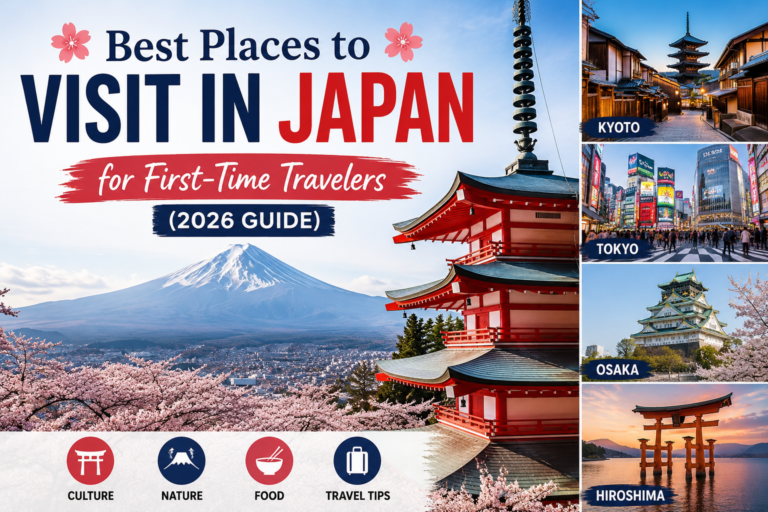
This guide is part of our Japan Travel Guide. Prices, rules and opening details can change, so confirm important details with the official provider before you book.
Japanese Culture & Etiquette
One of the best parts of visiting Japan is experiencing its rich culture and traditions. Japanese society places a strong emphasis on respect, cleanliness, consideration for others, and harmony.
The good news is that Japanese people generally understand that visitors may not know every custom. A polite attitude and a willingness to learn go a long way.
Respect Is at the Heart of Japanese Culture
Respect influences many aspects of daily life in Japan—from greetings and public behavior to dining and transportation. Simple gestures such as speaking quietly, waiting patiently in line, and keeping public spaces clean are always appreciated.
Greeting People
Bowing is the traditional form of greeting in Japan.
- A small nod is perfectly acceptable for visitors.
- Handshakes are also common in international settings.
- Be polite and smile—you don’t need to master formal bowing etiquette to make a good impression!
Removing Shoes
In many places, you’ll be expected to remove your shoes before entering.
Common Locations:
- Traditional Homes
- Ryokans (Inns)
- Some Temples
- Certain Restaurants
- Tea Houses
If slippers are provided, wear them indoors. Separate slippers are often provided for restroom areas.
Using Chopsticks Correctly
GOOD ETIQUETTE
- Use Chopstick Rests
- Hold Near Upper End
- Use Serving Utensils
AVOID
- Sticking Upright in Rice
- Pointing at People
- Passing Food Chopstick-to-Chopstick
- Playing with Chopsticks
Dining Etiquette
Japanese meals often begin with “Itadakimasu” (expressing appreciation for the meal) and conclude with “Gochisousama deshita” (thanking the host or restaurant). While saying these phrases is appreciated, it is not strictly expected from tourists.
Slurping Noodles
Gently slurping ramen or soba noodles is fully acceptable in Japan. It is seen as a normal way to enjoy hot noodles, though it’s not a strict requirement.
Tipping Culture
Japan does not have a tipping culture. Excellent service is considered part of hospitality. Restaurants, taxis, and hotels do not expect tips.
Queueing
Japanese people are known for orderly lines. Whether waiting for a train, bus, or entering an attraction, always join the end of the queue and wait patiently.
Public Transportation Etiquette
Japan’s trains are famous for being quiet and punctual. Following basic transit rules ensures a smooth trip for everyone.
Do
- Speak quietly at all times.
- Give priority seats to those who need them.
- Keep your personal belongings close to you.
- Wait for passengers to exit completely before boarding.
Avoid
- Talking loudly on the phone.
- Playing music or videos without headphones.
- Blocking train or station doors.
- Eating on crowded local trains (eating packed meals is common on long-distance Shinkansen bullet trains).
Trash & Recycling
Public trash bins are rare in Japan. Most people carry a small bag for their waste until they find an appropriate disposal point, such as at a convenience store where packaging was purchased.
Smoking Rules
Japan has strict smoking regulations in urban areas. Outdoor smoking is usually only allowed in designated smoking areas. Always look for signage before smoking.
Temples & Shrines
These are active places of worship. Dress respectfully, speak quietly, and follow posted rules. Purifying your hands and mouth at the entrance water pavilion is traditional but optional for tourists.
Onsen (Hot Spring) Etiquette
Hot springs offer one of Japan’s most relaxing cultural experiences. Follow these essential guidelines:
- Wash Thoroughly Before Entering
- Keep Towels Out of Water
- Enter the Bath Clean
- No Swimming or Splashing
- Keep Noise Low
Note: Some onsens have policies regarding visible tattoos, though many tourist-friendly locations now welcome all guests. Check policies beforehand.
Photography Etiquette
- Avoid photographing people without permission.
- Do not block walkways for photos.
- Check for indoor photography prohibitions at temples or museums.
- Never fly drones without proper local authorization.
Respect for Nature
- Stay on marked hiking trails.
- Take all rubbish away with you.
- Avoid disturbing local wildlife.
- Respect conservation guidelines in national parks.
Useful Japanese Phrases
Even using just a few simple words politely is warmly appreciated by locals.
Hello Konnichiwa Thank You Arigatou Gozaimasu Excuse Me Sumimasen Yes Hai No Iie Please Onegaishimasu Goodbye SayonaraCultural Do’s and Don’ts
Do
- Be respectful & polite.
- Queue patiently in line.
- Keep public spaces clean.
- Remove shoes when requested.
- Speak quietly on public transport.
- Follow local signs & instructions.
Don’t
- Litter anywhere.
- Tip unnecessarily.
- Talk loudly on trains.
- Ignore photography restrictions.
- Enter restricted areas.
- Touch cultural artifacts.
Expert Tip
You don’t need to know every Japanese custom before your trip. Showing patience, being polite, and observing how locals behave will help you navigate most situations with confidence and respect.
Keep Planning Your Japan Trip
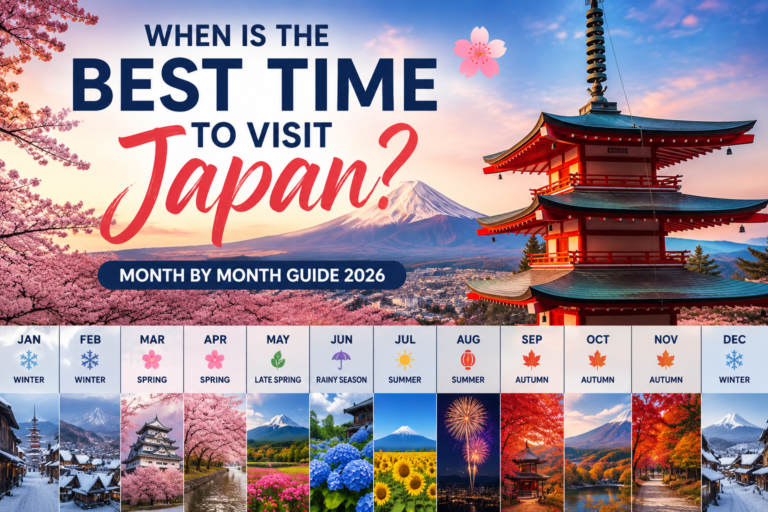
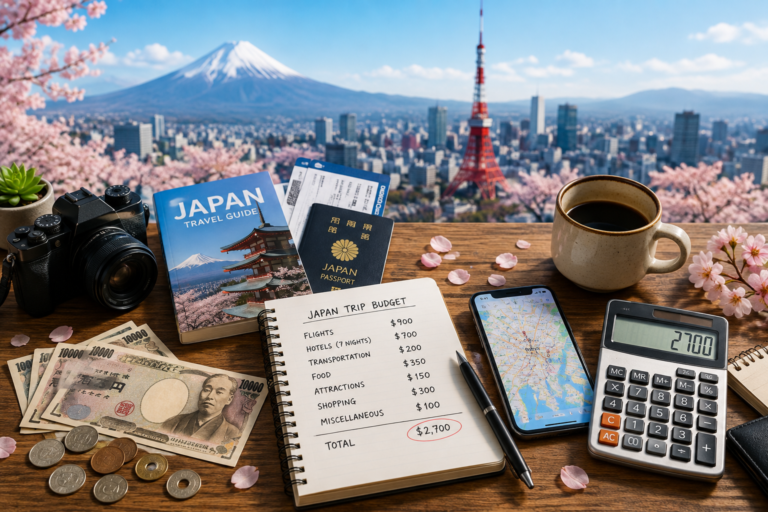
Return to the full Japan Travel Guide, or read our Japan trip budget guide and best time to visit Japan.
Related Guides
- Japanese Food Guide: What to Eat, Dining Etiquette and Food Safety
- Is Japan Safe for Tourists? A Practical Safety Guide
- Getting Around Japan: A Transportation Guide for Tourists
- Japan Tourist Visa Guide (2026): Requirements, Documents and Fees
Browse all of our Japan Travel guides.

Varinder Kaur is from Amritsar, India. She has traveled to well-known places across India, including Darjeeling, and to a few countries abroad, and shares travel experiences and practical tips for travelers through OpinionHook.