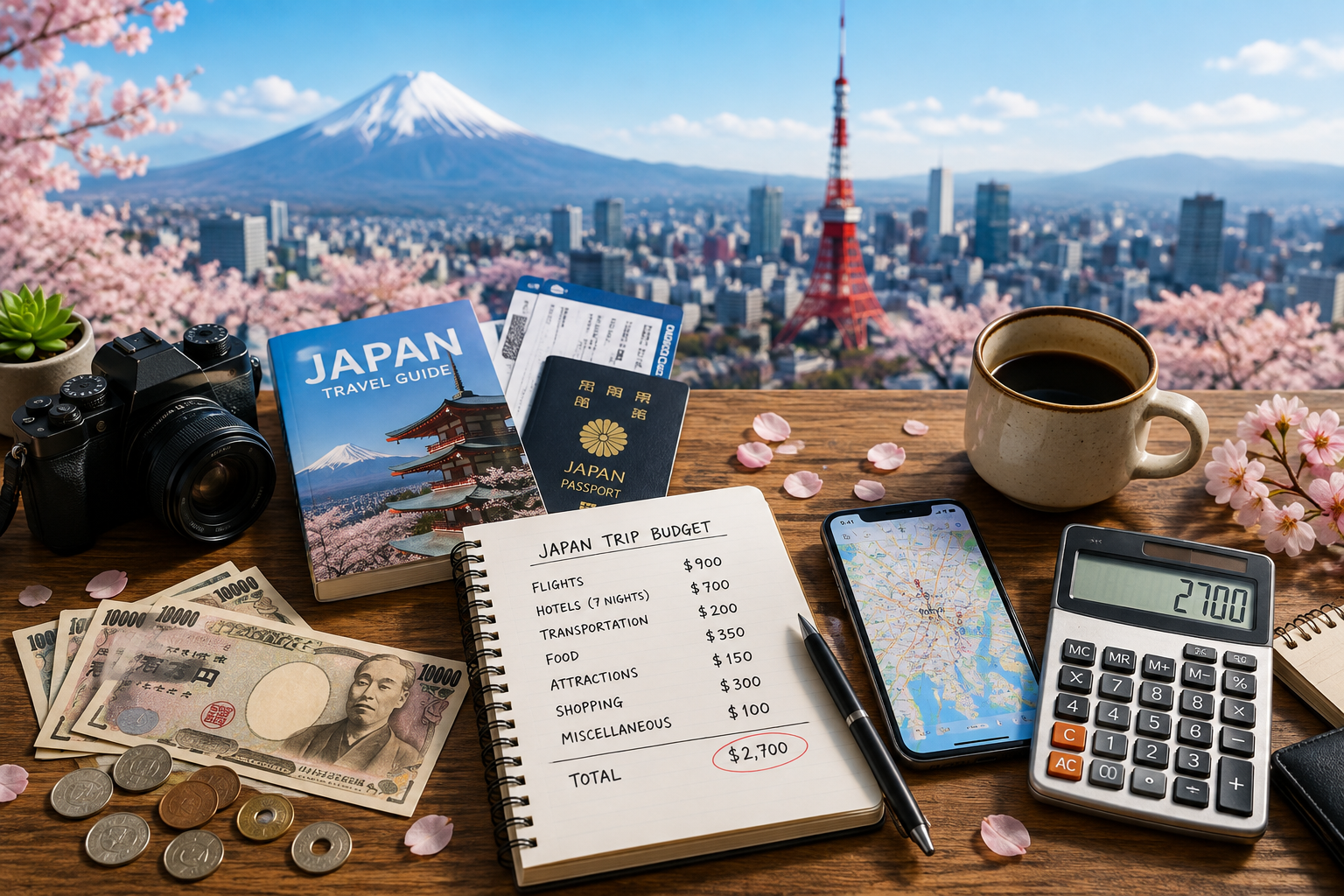
Japan Trip Budget Guide (2026): How Much Does a Trip to Japan Really Cost?
Planning a trip to Japan is exciting, but one of the first questions most travelers ask is, “How much money do I need?” The answer depends on several factors, including the time of year you travel, the cities you visit, your accommodation preferences, transportation choices, and overall travel style.
While Japan has long been considered an expensive destination, that’s no longer the case for many visitors. With careful planning, you can enjoy world-class food, efficient public transportation, unique cultural experiences, and unforgettable attractions without spending a fortune.
Whether you’re planning a one-week vacation, a two-week adventure, or your very first international trip, understanding your expected expenses before you book can help you avoid surprises and travel with confidence.
This complete Japan Trip Budget Guide breaks down every major travel expense, including flights, accommodations, transportation, food, attractions, shopping, internet access, and hidden costs. You’ll also find realistic daily budgets, sample trip costs, practical money-saving tips, and answers to the most common questions travelers ask before visiting Japan.
By the end of this guide, you’ll know exactly how much to budget for your trip and how to make the most of every dollar without compromising your experience.
How Much Does a Trip to Japan Cost?
The cost of traveling to Japan varies depending on your travel style, but most visitors can expect to spend between $70 and $400+ per person per day, excluding international flights.
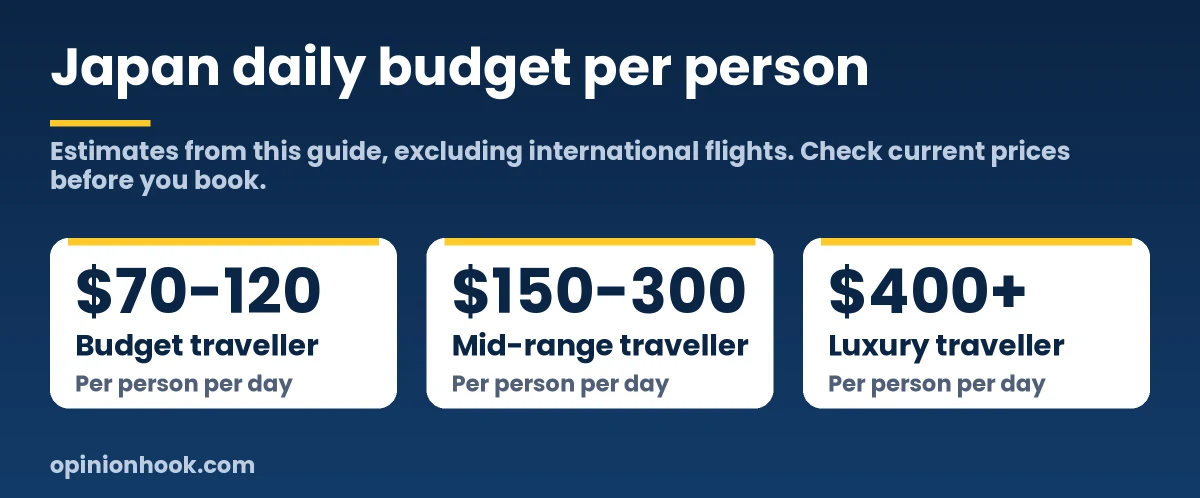
| Travel Style | Average Daily Budget |
|---|---|
| Budget Traveler | $70–$120 |
| Mid-Range Traveler | $150–$300 |
| Luxury Traveler | $400+ |
For a typical vacation, here’s what you can expect:
| Trip Length | Budget | Mid-Range | Luxury |
|---|---|---|---|
| 7 Days | $1,200–$1,700 | $2,000–$3,000 | $4,000+ |
| 10 Days | $1,600–$2,300 | $2,800–$4,000 | $5,500+ |
| 14 Days | $2,300–$3,200 | $3,800–$5,800 | $7,500+ |
These estimates include accommodations, transportation within Japan, food, sightseeing, and daily travel expenses. International airfare varies depending on your departure city and travel season.
What You’ll Learn in This Guide
- Average cost of traveling to Japan in 2026
- Daily budgets for budget, mid-range, and luxury travelers
- Flight, hotel, food, and transportation costs
- Sample budgets for 7-, 10-, and 14-day trips
- Common travel expenses travelers often forget
- Practical ways to save money without sacrificing your experience
- Frequently asked questions about traveling to Japan
Ready to plan your budget? Let’s start by answering one of the biggest questions travelers ask: Is Japan really as expensive as people think?
Is Japan Expensive to Visit in 2026?
Japan has a long-standing reputation for being one of the world’s most expensive travel destinations. While that may have been true years ago, the reality today is quite different. Thanks to a wide range of accommodations, affordable dining options, and one of the world’s most efficient public transportation systems, Japan offers excellent value for travelers with almost any budget.
Whether you’re planning a backpacking adventure, a comfortable mid-range vacation, or a luxury getaway, it’s possible to tailor your trip to match your budget without missing out on Japan’s unique experiences.
One of the biggest advantages of traveling in Japan is choice. You can enjoy a delicious meal from a convenience store for under $10, dine at a Michelin-starred restaurant, stay in a budget hostel, or experience a traditional ryokan with private hot springs. The flexibility makes Japan far more accessible than many first-time visitors expect.
Another factor affecting travel costs is the exchange rate. Depending on where you’re traveling from and current currency values, Japan may feel more affordable than destinations like Switzerland, Iceland, London, New York City, or Singapore.
Ultimately, the cost of your trip depends less on the country itself and more on how you choose to travel.
What Determines the Cost of a Trip to Japan?
No two trips cost exactly the same. Your total travel budget will depend on several important factors.
Time of Year
Traveling during cherry blossom season (March–April), Golden Week (late April–early May), and autumn foliage season (October–November) usually means higher airfare and hotel prices. Visiting during quieter months can significantly reduce your overall costs.
Trip Duration
Naturally, a 14-day itinerary will cost more than a one-week vacation. However, longer trips often offer better value because you can spread fixed expenses, such as airfare, across more days.
Cities You Visit
Major cities like Tokyo and Kyoto generally have higher accommodation costs than smaller cities such as Fukuoka, Kanazawa, or Takayama. Including a mix of destinations can help balance your budget.
Accommodation Choices
Japan offers accommodations for every budget, from capsule hotels and hostels to business hotels, vacation rentals, traditional ryokans, and luxury resorts. Your hotel selection is usually one of the largest expenses during your trip.
Transportation
Your transportation budget depends on how much you plan to travel within Japan. Travelers visiting multiple cities may spend more on Shinkansen tickets, while those staying in one region can rely on affordable local trains and subways.
Dining Preferences
Food costs can vary considerably. Convenience stores, ramen shops, and casual restaurants are very affordable, while fine dining and premium sushi experiences can increase your daily budget.
Activities and Shopping
Your itinerary also plays a major role. Visiting temples, parks, and public gardens is often inexpensive, while theme parks, guided tours, shopping, and cultural experiences require additional spending.
Average Daily Budget by Travel Style
The table below provides a realistic estimate of how much travelers typically spend per day in Japan, excluding international airfare.
| Travel Style | Accommodation | Food | Transportation | Attractions | Estimated Daily Budget |
|---|---|---|---|---|---|
| Budget | Hostels, capsule hotels | Convenience stores, casual restaurants | Public transportation | Mostly free or low-cost attractions | $70–$120 |
| Mid-Range | Business hotels, 3-star hotels | Mix of casual and sit-down restaurants | Trains, occasional taxis | Popular attractions and tours | $150–$300 |
| Luxury | Premium hotels, ryokans | Fine dining | Shinkansen, private transfers | Luxury experiences | $400+ |
These estimates are intended as planning guidelines. Your actual expenses may vary depending on your travel style, destination choices, and the season you visit.
Money-Saving Tip
If you’re traveling on a budget, consider visiting Japan during the shoulder seasons, booking accommodations several months in advance, using public transportation instead of taxis, and eating at local restaurants or convenience stores. Small savings across multiple categories can significantly reduce your total trip cost without affecting your overall experience.
Average Cost of Traveling to Japan
Understanding where your money goes is one of the best ways to plan a realistic travel budget. While every traveler’s expenses will vary, most trips to Japan can be broken down into a few major categories: flights, accommodations, transportation, food, attractions, shopping, and miscellaneous expenses.
The table below provides a general estimate of what travelers typically spend during a one-week, ten-day, or two-week trip. These figures are intended as planning estimates and can vary depending on your travel style, destinations, and the time of year you visit.
| Expense Category | Budget Traveler | Mid-Range Traveler | Luxury Traveler |
|---|---|---|---|
| Flights | $700–$1,500 | $900–$1,800 | $1,800+ |
| Accommodation | $40–$80/day | $120–$220/day | $350+/day |
| Food | $25–$45/day | $60–$100/day | $180+/day |
| Transportation | $15–$30/day | $30–$60/day | $80+/day |
| Attractions | $15–$40/day | $40–$80/day | $100+/day |
| Shopping & Extras | Flexible | Flexible | Flexible |
Estimated Trip Cost by Length
The following estimates include accommodations, food, transportation within Japan, sightseeing, and everyday travel expenses. International airfare is included as an estimated average but can vary significantly depending on your departure city and booking date.
| Trip Length | Budget | Mid-Range | Luxury |
|---|---|---|---|
| 5 Days | $900–$1,500 | $1,800–$2,800 | $4,000+ |
| 7 Days | $1,200–$1,900 | $2,200–$3,500 | $5,000+ |
| 10 Days | $1,700–$2,700 | $3,000–$4,800 | $7,000+ |
| 14 Days | $2,400–$3,800 | $4,200–$6,500 | $9,000+ |
Note: Shopping expenses are not included because they vary widely from traveler to traveler. If you plan to purchase electronics, luxury goods, anime merchandise, or souvenirs, consider adding an extra budget based on your personal shopping plans.
Where Most Travelers Spend Their Money
For first-time visitors, accommodations and transportation usually account for the largest portion of the travel budget. Airfare is often the single biggest upfront expense, while hotels represent the highest day-to-day cost once you’re in Japan.
Food is generally more affordable than many visitors expect. From neighborhood ramen shops and sushi restaurants to convenience stores offering surprisingly fresh meals, eating well in Japan doesn’t necessarily require a large budget.
Transportation costs depend largely on your itinerary. Travelers visiting several cities may spend more on high-speed rail tickets, while those staying in one destination can rely on affordable subway and local train networks.
Activities and sightseeing can also influence your overall expenses. Many of Japan’s temples, shrines, parks, and neighborhoods can be explored for little to no cost, allowing travelers to balance paid attractions with free experiences throughout their trip.
Typical Budget Breakdown
If you’re wondering where your money is likely to go, the following percentages provide a useful guideline for a typical trip.
| Expense | Approximate Share of Budget |
|---|---|
| Flights | 25–35% |
| Accommodation | 30–40% |
| Food | 15–20% |
| Transportation | 10–15% |
| Attractions | 5–10% |
| Shopping & Miscellaneous | 5–15% |
This breakdown can help you identify where you have the most flexibility. For example, choosing a more affordable hotel or limiting long-distance train travel can significantly reduce your total trip cost without affecting the overall experience.
Planning Tip
Rather than setting one overall budget for your trip, break your spending into individual categories before booking anything. Allocating separate amounts for accommodations, transportation, food, attractions, and miscellaneous expenses makes it much easier to stay within your budget and avoid unexpected costs during your trip.
Flight Costs: How Much Does It Cost to Fly to Japan?
For most travelers, international airfare is the largest upfront expense when planning a trip to Japan. The good news is that flight prices vary significantly depending on where you’re flying from, when you book, and the season you choose to travel.
If you’re traveling from the United States, round-trip economy tickets typically range between $700 and $1,500. Travelers departing from major international airports such as Los Angeles (LAX), San Francisco (SFO), Seattle (SEA), Dallas (DFW), Chicago (ORD), and New York (JFK) often have access to nonstop flights and more competitive fares.
Flights during Japan’s busiest travel seasons—including cherry blossom season (late March to early April), Golden Week (late April to early May), summer vacations, and the autumn foliage season (October to November)—are generally the most expensive. Traveling during quieter months often provides better value and more accommodation options.
If your schedule is flexible, adjusting your departure dates by just a few days can sometimes save hundreds of dollars on airfare.
Average Round-Trip Flight Prices to Japan
The following estimates are intended to help you build a realistic travel budget. Actual fares vary based on the airline, departure city, booking window, and travel season.
| Departure Country | Average Round-Trip Economy Fare |
|---|---|
| United States | $700–$1,500 |
| Canada | $800–$1,600 |
| United Kingdom | $800–$1,400 |
| Australia | $500–$1,000 |
| India | $450–$900 |
| Singapore | $250–$600 |
Prices are approximate and can fluctuate throughout the year.
When Is the Cheapest Time to Book Flights to Japan?
There isn’t one perfect day to book flights, but planning ahead generally results in better prices.
As a general guideline:
- Book 3 to 6 months in advance for regular travel periods.
- Book 6 to 9 months in advance if you’re traveling during cherry blossom season or autumn.
- Avoid booking during major Japanese holidays if your travel dates are flexible.
- Compare nearby airports if you’re flying from a large metropolitan area.
Booking early also gives you more flexibility when choosing flight times and seat options.
Which Airports Should You Fly Into?
Japan has several international airports, but most visitors arrive through one of the following:
Tokyo (Narita International Airport – NRT)
A popular choice for international travelers with extensive airline connections and direct rail access to central Tokyo.
Tokyo (Haneda Airport – HND)
Located much closer to downtown Tokyo, Haneda is often the most convenient airport for travelers staying in the capital.
Osaka (Kansai International Airport – KIX)
An excellent option if your itinerary focuses on Kyoto, Osaka, Nara, or the Kansai region.
Other International Airports
Depending on your itinerary, you may also find flights into:
- Chubu Centrair International Airport (Nagoya)
- New Chitose Airport (Sapporo)
- Fukuoka Airport
- Naha Airport (Okinawa)
Flying into a regional airport can sometimes reduce travel time if you’re not planning to start your trip in Tokyo.
Tips to Save Money on Flights
Airfare often represents the largest portion of your travel budget, but a few simple strategies can help lower the cost.
- Book your flights several months before departure.
- Compare fares across multiple airlines before booking.
- Be flexible with your travel dates whenever possible.
- Consider mid-week departures, which may offer lower fares than weekends.
- Use fare alerts to monitor price changes before purchasing your ticket.
- If you’re visiting multiple cities, compare the cost of arriving in one city and departing from another rather than booking a round-trip to the same airport.
Pro Travel Tip
If your itinerary includes Tokyo, Kyoto, and Osaka, consider booking an open-jaw ticket—for example, flying into Tokyo and departing from Osaka. This can reduce backtracking, save valuable travel time, and may even lower your overall transportation costs within Japan.
Visa Requirements, Travel Insurance & Pre-Trip Costs
Before booking flights or packing your bags, it’s important to account for the costs that come before you even arrive in Japan. While these expenses are often overlooked, they can add several hundred dollars to your overall travel budget.
Your pre-trip expenses may include visa fees (if applicable), passport renewal, travel insurance, airport transportation, baggage fees, international transaction fees, and mobile connectivity. Planning for these costs early helps you avoid unexpected expenses and makes budgeting much easier.
Do You Need a Visa to Visit Japan?
Japan has visa exemption agreements with many countries, allowing eligible travelers to enter for short-term tourism without applying for a visa in advance.
If you’re traveling from countries such as the United States, Canada, the United Kingdom, Australia, or most European nations, you can generally visit Japan for tourism without obtaining a visa beforehand, provided you meet the entry requirements in effect at the time of travel.
Travelers from countries that are not visa-exempt may need to apply for a tourist visa before departure.
Because immigration policies can change, always verify the latest entry requirements through the official Japanese embassy or consulate in your country before booking your trip.
Estimated Visa Cost
| Traveler Type | Estimated Cost |
|---|---|
| Visa-Exempt Travelers | $0 |
| Tourist Visa (where required) | Varies by country |
Travel Tip: Never rely solely on blogs or social media for visa information. Always confirm the latest requirements through official government sources before traveling.
Passport Costs
If your passport is close to expiring, remember to include renewal costs in your travel budget.
Many airlines require your passport to remain valid for the duration of your trip, while some countries recommend having at least six months of remaining validity.
If you need a new passport or renewal, check the official passport authority in your country for the latest fees and processing times.
Is Travel Insurance Worth It?
Although travel insurance isn’t mandatory for most visitors to Japan, it’s one of the smartest purchases you can make before traveling internationally.
Medical care in Japan is excellent, but treatment can be expensive for visitors who don’t have adequate insurance coverage. A comprehensive travel insurance policy can also protect you against unexpected situations such as flight cancellations, lost luggage, trip interruptions, or medical emergencies.
For most travelers, travel insurance represents only a small percentage of the total trip cost while providing valuable peace of mind.
What Should Travel Insurance Cover?
When comparing travel insurance plans, look for coverage that includes:
- Emergency medical treatment
- Hospitalization and emergency evacuation
- Trip cancellation and interruption
- Flight delays
- Lost, delayed, or stolen baggage
- Personal liability (where available)
- Emergency assistance services
Choosing the cheapest policy isn’t always the best option. Compare coverage limits, exclusions, and claim procedures before purchasing a plan.
Airport Transportation Costs
After arriving in Japan, you’ll need transportation from the airport to your hotel.
The cost depends on the airport you arrive at, your destination, and the transportation you choose.
Common options include:
- Airport express trains
- Limousine buses
- Local trains
- Airport taxis
- Private airport transfers
Public transportation is usually the most economical option, while taxis and private transfers offer greater convenience at a higher cost.
Other Pre-Trip Expenses to Budget For
Many first-time travelers forget to include these smaller expenses when planning their trip.
Luggage Fees
If your airline charges for checked baggage or overweight luggage, include those fees in your travel budget before booking.
International Credit Card Fees
Some banks charge foreign transaction fees on purchases made overseas. Using a travel-friendly credit card may help reduce these costs.
Mobile Connectivity
Whether you choose an eSIM, local SIM card, or portable Wi-Fi device, staying connected in Japan usually involves an additional expense that’s worth planning for in advance.
Currency Exchange
Although Japan increasingly accepts credit cards, it’s still helpful to carry some Japanese yen for smaller businesses, local markets, temples, and rural areas.
Avoid exchanging large amounts of cash at airports whenever possible, as exchange rates are often less favorable than those offered by banks or ATMs in Japan.
Estimated Pre-Trip Budget
| Expense | Estimated Cost (USD) |
|---|---|
| Passport Renewal (if required) | Varies |
| Tourist Visa (if applicable) | Varies |
| Travel Insurance | $50–$200 |
| Airport Transportation | $15–$50 |
| eSIM or Pocket Wi-Fi | $15–$60 |
| Currency Exchange Fees | Depends on provider |
| Checked Baggage Fees | Airline dependent |
Budget Planning Tip
Set aside an additional 5% to 10% of your total travel budget for pre-trip expenses and unexpected costs. Having a small buffer can help cover last-minute purchases, schedule changes, or unforeseen travel expenses without affecting the rest of your trip.
Accommodation Costs in Japan
Accommodation is typically the largest expense after airfare, making it one of the most important parts of your travel budget. The good news is that Japan offers an impressive range of accommodations, from affordable capsule hotels and modern hostels to traditional ryokans and luxury resorts.
Whether you’re traveling on a tight budget or planning a premium vacation, you’ll find accommodations that fit your travel style without compromising comfort, cleanliness, or convenience.
One of the biggest factors affecting hotel prices is location. Staying near major train stations in cities like Tokyo, Kyoto, or Osaka usually costs more, while neighborhoods slightly farther from the city center often offer better value with excellent public transportation access.
Booking your accommodations several months in advance is highly recommended, especially if you’re visiting during cherry blossom season, autumn foliage season, Golden Week, or the New Year holidays.
Average Accommodation Costs in Japan
The following table provides a general estimate of average nightly rates.
| Accommodation Type | Average Price Per Night (USD) | Best For |
|---|---|---|
| Hostel Dormitory | $25–$50 | Backpackers & Solo Travelers |
| Capsule Hotel | $30–$70 | Short Stays & Solo Travelers |
| Budget Business Hotel | $70–$130 | Budget Couples & Families |
| Mid-Range Hotel | $140–$250 | Most Tourists |
| Traditional Ryokan | $180–$500+ | Cultural Experiences |
| Luxury Hotel | $350–$1,000+ | Luxury Travelers |
Prices vary depending on the city, season, room type, and booking date.
Hostels
Hostels are one of the most affordable accommodation options in Japan and are especially popular among solo travelers and backpackers.
Many hostels offer clean dormitory-style rooms, private rooms, shared kitchens, laundry facilities, free Wi-Fi, and comfortable common areas where travelers can meet people from around the world.
Despite their lower price, Japanese hostels are generally known for their cleanliness, organization, and safety.
Average Cost
$25–$50 per night
Best For
- Solo travelers
- Students
- Backpackers
- Budget-conscious travelers
Capsule Hotels
Capsule hotels are one of Japan’s most unique accommodation experiences.
Instead of a traditional hotel room, guests sleep in compact private sleeping pods equipped with lighting, charging ports, ventilation, and secure storage for personal belongings. Shared bathrooms, lounges, and lockers are typically available.
Although space is limited, capsule hotels are surprisingly comfortable for short stays and provide a memorable cultural experience.
Average Cost
$30–$70 per night
Best For
- Solo travelers
- Overnight stays
- Travelers looking for a unique Japanese experience
Business Hotels
Business hotels offer excellent value and are one of the most popular choices for international visitors.
Rooms are compact but typically include private bathrooms, air conditioning, Wi-Fi, televisions, work desks, and complimentary toiletries. Many are conveniently located near train stations, making them ideal for sightseeing.
For many travelers, business hotels provide the best balance between comfort, convenience, and affordability.
Average Cost
$70–$130 per night
Best For
- Couples
- Small families
- First-time visitors
- Mid-budget travelers
Mid-Range Hotels
Mid-range hotels offer larger rooms, additional amenities, and more comfortable facilities than budget accommodations.
Many include breakfast, fitness centers, concierge services, and modern rooms designed for longer stays.
These hotels are ideal for travelers who want extra comfort while keeping their trip within a reasonable budget.
Average Cost
$140–$250 per night
Best For
- Couples
- Families
- Leisure travelers
- Business travelers
Staying in a Traditional Ryokan
A stay in a ryokan is one of the most memorable experiences you can have in Japan.
Ryokans are traditional Japanese inns featuring tatami mat floors, futon bedding, sliding paper doors, and authentic Japanese hospitality. Many also include access to natural hot springs (onsen) and serve beautifully prepared multi-course Japanese dinners.
Although ryokans are more expensive than standard hotels, many travelers consider staying at least one night in a ryokan to be a highlight of their trip.
Average Cost
$180–$500+ per night
Best For
- Honeymooners
- Couples
- Cultural experiences
- Relaxing countryside stays
Luxury Hotels
Japan is home to some of the world’s finest luxury hotels, offering exceptional service, spacious accommodations, fine dining, spa facilities, and breathtaking city or mountain views.
Luxury properties are commonly found in Tokyo, Kyoto, Osaka, Hakone, and other popular destinations.
Average Cost
$350–$1,000+ per night
Best For
- Luxury vacations
- Special occasions
- Premium travel experiences
Which Cities Have the Highest Hotel Prices?
Accommodation costs vary significantly across Japan.
| City | Average Price Level |
|---|---|
| Tokyo | $$$$ |
| Kyoto | $$$$ |
| Osaka | $$$ |
| Hakone | $$$$ |
| Hiroshima | $$ |
| Fukuoka | $$ |
| Nagoya | $$ |
| Takayama | $$$ |
Tokyo and Kyoto generally have the highest hotel prices, particularly during peak travel seasons. Travelers looking to save money can often find better value in Osaka, Fukuoka, Nagoya, or smaller regional cities.
Tips for Saving Money on Accommodation
Choosing the right accommodation can significantly reduce your overall travel expenses without affecting your experience.
Here are a few practical ways to save:
- Book your hotel at least three to six months before your trip.
- Stay a few train stops outside major tourist districts.
- Compare rates across multiple booking platforms.
- Consider business hotels for excellent value.
- Travel during the shoulder season when hotel prices are generally lower.
- Include one ryokan stay instead of spending your entire trip in luxury accommodations.
- Check whether breakfast is included, as this can reduce your daily food expenses.
Pro Travel Tip
When choosing accommodations in Japan, prioritize location over room size. A smaller hotel room within walking distance of a major train station can save both time and transportation costs throughout your trip, making sightseeing much more convenient.
Food Costs in Japan
Food is one of the highlights of any trip to Japan, and contrary to popular belief, eating well doesn’t have to be expensive. Whether you’re grabbing a quick breakfast from a convenience store, enjoying a steaming bowl of ramen, or treating yourself to a traditional kaiseki dinner, Japan offers incredible value across every price range.
One of the biggest surprises for first-time visitors is how affordable everyday dining can be. Convenience stores, local restaurants, sushi chains, and neighborhood cafés serve fresh, high-quality meals at prices that are often lower than in many major U.S. cities.
If you mix affordable local restaurants with a few memorable dining experiences, you can enjoy Japan’s famous food culture without stretching your travel budget.
Average Food Budget in Japan
The amount you spend on food depends on your dining preferences. Some travelers are happy with convenience store meals and casual restaurants, while others plan to experience premium sushi, wagyu beef, or Michelin-starred dining.
| Travel Style | Estimated Daily Food Budget |
|---|---|
| Budget Traveler | $25–$40 |
| Mid-Range Traveler | $50–$80 |
| Luxury Traveler | $120+ |
Average Meal Prices in Japan
The following estimates provide a realistic idea of what travelers can expect to pay.
| Meal | Average Price (USD) |
|---|---|
| Breakfast | $5–$12 |
| Lunch | $8–$18 |
| Dinner | $15–$35 |
| Coffee | $3–$6 |
| Convenience Store Meal | $4–$10 |
| Ramen | $7–$12 |
| Sushi (Casual) | $10–$25 |
| Fine Dining | $80+ |
Breakfast
Many hotels include breakfast, which can help reduce your daily expenses. If breakfast isn’t included, convenience stores such as 7-Eleven, FamilyMart, and Lawson offer surprisingly fresh and affordable options, including sandwiches, rice balls (onigiri), pastries, yogurt, fruit, and coffee.
Local cafés also serve Japanese-style and Western breakfasts, making it easy to start your day without spending much.
Typical Budget: $5–$12
Lunch
Lunch is often the best value meal of the day in Japan. Many restaurants offer set lunch menus that include rice, soup, and a main dish at a lower price than dinner.
Popular lunch choices include:
- Ramen
- Udon
- Soba
- Curry rice
- Tempura
- Donburi (rice bowls)
- Bento boxes
Typical Budget: $8–$18
Dinner
Dinner offers the widest variety of dining experiences. You can enjoy affordable meals at neighborhood restaurants or celebrate with premium sushi, wagyu beef, or multi-course Japanese cuisine.
Even casual restaurants maintain excellent food quality, making it easy to eat well regardless of your budget.
Typical Budget: $15–$35
Convenience Stores: A Budget Traveler’s Best Friend
Japanese convenience stores are unlike those in many other countries. They offer fresh, ready-to-eat meals, snacks, drinks, desserts, and even healthy options at reasonable prices.
Many travelers rely on convenience stores for breakfast, quick lunches, late-night snacks, or train journeys.
Popular items include:
- Onigiri (rice balls)
- Bento boxes
- Fresh sandwiches
- Fried chicken
- Instant noodles
- Salads
- Desserts
- Fresh coffee
A satisfying meal often costs less than $10, making convenience stores an excellent way to keep your food budget under control.
Street Food
Japan’s street food scene is especially popular in destinations like Osaka, Kyoto, Tokyo, and local festivals.
Popular street foods include:
- Takoyaki
- Okonomiyaki
- Yakitori
- Taiyaki
- Dango
- Melon Pan
- Croquettes
Most items cost between $3 and $10, making them perfect for sampling local flavors throughout your trip.
Fine Dining
If your budget allows, consider enjoying at least one memorable dining experience during your visit.
Japan is home to world-famous sushi restaurants, traditional kaiseki dining, wagyu beef restaurants, and Michelin-starred establishments.
Prices vary widely depending on the restaurant, location, and menu.
Typical Budget: $80–$300+ per person
Vegetarian and Vegan Dining
Although traditional Japanese cuisine often includes seafood-based ingredients, vegetarian and vegan dining has become much more accessible in major cities.
Tokyo, Kyoto, and Osaka offer an increasing number of vegetarian cafés, vegan restaurants, and Buddhist temple cuisine (Shojin Ryori).
If you have dietary restrictions, it’s helpful to research restaurants before your visit and learn a few basic Japanese phrases related to food allergies or dietary preferences.
Is Tap Water Safe to Drink?
Yes. Tap water is safe to drink throughout Japan.
Bringing a reusable water bottle can help you save money while reducing plastic waste during your trip.
Sample Daily Food Budget
The table below shows what a realistic day of eating in Japan might cost.
| Meal | Budget | Mid-Range |
|---|---|---|
| Breakfast | $6 | $10 |
| Lunch | $10 | $18 |
| Dinner | $18 | $35 |
| Snacks & Drinks | $8 | $15 |
| Daily Total | $42 | $78 |
How to Save Money on Food in Japan
Enjoying Japan’s incredible food doesn’t require a large budget. A few smart choices can help you save money while still experiencing local cuisine.
- Eat lunch at restaurants instead of dinner, as lunch sets are often significantly cheaper.
- Take advantage of convenience stores for breakfast or snacks.
- Visit local ramen shops, curry restaurants, and sushi chains for affordable meals.
- Carry a reusable water bottle instead of purchasing bottled water throughout the day.
- Explore neighborhood restaurants away from major tourist attractions for better value and a more authentic dining experience.
- Limit expensive fine dining experiences to one or two special occasions during your trip.
Pro Travel Tip
Don’t assume that higher prices always mean better food. Some of Japan’s most memorable meals are served in small, family-run restaurants, neighborhood ramen shops, and casual eateries that have been perfecting the same recipes for decades. Often, these local favorites offer exceptional quality at prices that are surprisingly affordable.
Transportation Costs in Japan
Japan has one of the world’s most efficient, reliable, and well-connected public transportation systems. Whether you’re exploring Tokyo’s busy neighborhoods, traveling between major cities on the Shinkansen, or visiting small countryside towns, getting around is generally easy, safe, and convenient.
Your transportation budget will depend largely on your itinerary. Travelers staying in one city will spend much less than those visiting multiple destinations across the country. Understanding your transportation options before your trip can help you avoid unnecessary expenses and make the most of your budget.
Average Transportation Budget
| Travel Style | Estimated Daily Cost |
|---|---|
| Budget Traveler | $10–$20 |
| Mid-Range Traveler | $20–$40 |
| Luxury Traveler | $60+ |
Transportation Options in Japan
Japan offers several transportation choices, each suited to different types of travel.
Local Trains
Local trains are the backbone of daily transportation in Japan. They connect neighborhoods, suburbs, and nearby cities efficiently and are one of the most affordable ways to travel.
They’re clean, punctual, and easy to navigate using English signage in major cities.
Typical Fare: $1.50–$5 per ride
Tokyo Subway & Metro
If you’re staying in Tokyo, you’ll likely use the subway multiple times each day.
The city’s extensive subway network connects nearly every major attraction, shopping district, and business area.
Most travelers can comfortably explore Tokyo without needing taxis.
Typical Fare: $1.50–$3 per trip
Shinkansen (Bullet Train)
Japan’s famous Shinkansen is one of the fastest and most comfortable ways to travel between cities such as Tokyo, Kyoto, Osaka, Hiroshima, and Fukuoka.
Although tickets are more expensive than local trains, the speed, comfort, and reliability make it an excellent option for longer journeys.
If your itinerary includes several cities, transportation may become one of your largest travel expenses.
Is the Japan Rail Pass Worth It?
The Japan Rail Pass (JR Pass) is one of the most discussed topics among travelers planning a trip to Japan.
However, it’s not the best option for everyone.
The JR Pass can offer excellent value if you’re planning several long-distance train journeys within a short period. On the other hand, travelers spending most of their vacation in a single city or region may save more by purchasing individual tickets.
The JR Pass May Be Worth It If You:
- Plan to visit Tokyo, Kyoto, Osaka, Hiroshima, or multiple cities.
- Expect to take several Shinkansen trips.
- Prefer unlimited travel during the validity period.
You May Not Need the JR Pass If You:
- Are staying primarily in Tokyo.
- Are exploring only Kyoto and Osaka.
- Plan to travel slowly without frequent long-distance train journeys.
Travel Tip: Before purchasing a JR Pass, compare its cost with individual train tickets based on your itinerary. In many cases, point-to-point tickets can be more economical.
IC Cards (Suica, PASMO & ICOCA)
For local transportation, rechargeable IC cards are one of the easiest ways to pay for trains, buses, and even purchases at convenience stores and vending machines.
Popular IC cards include:
- Suica
- PASMO
- ICOCA
Simply load money onto the card and tap it at station gates or bus terminals.
These cards eliminate the need to purchase individual tickets for every journey and make traveling much more convenient.
Bus Transportation
Local buses are widely available throughout Japan and are especially useful in destinations where train networks are less extensive.
Cities such as Kyoto rely heavily on buses to reach temples, shrines, and residential neighborhoods.
Although buses may take longer than trains, they’re often an affordable way to reach attractions that aren’t located near railway stations.
Airport Transportation
Most international travelers arrive through Tokyo (Narita or Haneda) or Osaka (Kansai International Airport).
Several transportation options are available:
- Airport Express Trains
- Limousine Buses
- Local Trains
- Airport Shuttle Services
- Private Transfers
- Taxis
Public transportation generally offers the best balance of cost and convenience, while taxis are significantly more expensive, especially for long-distance airport transfers.
Taxis in Japan
Taxis are clean, safe, and professional, but they’re also one of the most expensive ways to travel.
They’re best suited for:
- Late-night travel
- Heavy luggage
- Traveling with family
- Areas with limited public transportation
For everyday sightseeing, trains and subways are usually the better option.
Should You Rent a Car?
Most international visitors don’t need to rent a car.
Japan’s public transportation system covers nearly all major tourist destinations, making driving unnecessary in cities like Tokyo, Osaka, and Kyoto.
However, renting a car can be worthwhile if you’re planning to explore:
- Hokkaido
- Okinawa
- Rural villages
- National parks
- Mountain regions
Keep in mind that additional expenses such as toll roads, parking fees, fuel, and an International Driving Permit may increase your overall transportation budget.
Sample Transportation Budget
| Transportation | Estimated Cost |
|---|---|
| Local Train & Subway | $8–$15/day |
| Airport Transfer | $15–$35 |
| Shinkansen (One Long-Distance Trip) | $90–$170 |
| Taxi Ride | $8–$30+ |
| IC Card Initial Load | $15–$25 |
How to Save Money on Transportation
Transportation costs can add up quickly, especially if you’re traveling between multiple cities. Fortunately, there are several ways to keep your expenses under control.
- Plan your itinerary to minimize unnecessary travel between cities.
- Walk whenever possible—many neighborhoods are best explored on foot.
- Use local trains and subways instead of taxis.
- Purchase an IC card for convenient local travel.
- Compare the cost of individual train tickets with the Japan Rail Pass before purchasing.
- Stay near major train stations to reduce daily transportation time and costs.
- Consider regional rail passes if you’re exploring a specific area of Japan.
Pro Travel Tip
One of the easiest ways to save both time and money is to group nearby destinations together instead of traveling back and forth between cities. For example, explore Kyoto, Osaka, and Nara in the same part of your itinerary before moving on to another region. A well-planned route reduces transportation costs and gives you more time to enjoy your trip.
Attraction Costs in Japan
Japan offers an incredible mix of attractions, from centuries-old temples and peaceful gardens to futuristic museums, world-famous theme parks, and breathtaking natural landscapes. One of the best things about traveling in Japan is that you don’t need to spend a fortune to have an unforgettable experience. Many of the country’s most iconic landmarks are free or charge only a small admission fee.
Whether you’re interested in history, food, anime, nature, or modern city life, it’s easy to build an itinerary that fits your budget.
Average Attraction Budget
| Travel Style | Estimated Daily Budget |
|---|---|
| Budget Traveler | $10–$20 |
| Mid-Range Traveler | $20–$50 |
| Luxury Traveler | $70+ |
Temple & Shrine Entrance Fees
Japan is home to thousands of temples and shrines, many of which are free to visit. Others charge a small admission fee to help preserve historic buildings and gardens.
Some of the country’s most famous temples, including those in Kyoto, charge modest entrance fees while offering beautiful architecture, peaceful surroundings, and rich cultural history.
Typical Cost: Free – $5
Museums & Cultural Attractions
If you’re interested in Japanese history, art, technology, or science, museums are an excellent addition to your itinerary.
Popular options include:
- National museums
- Samurai museums
- Art museums
- Digital art exhibitions
- Railway museums
- Science museums
Typical Cost: $5–$20
Observation Decks
Japan’s skyline is spectacular, especially in cities like Tokyo and Osaka.
Popular observation decks include:
- Tokyo Skytree
- Tokyo Tower
- Shibuya Sky
- Umeda Sky Building
- Abeno Harukas
These attractions offer panoramic views of the city and are especially popular at sunset.
Typical Cost: $10–$25
Theme Parks
Japan is home to some of the world’s most popular theme parks.
Top choices include:
- Tokyo Disneyland
- Tokyo DisneySea
- Universal Studios Japan
- Ghibli Park
- Sanrio Puroland
If visiting one of these parks is a priority, be sure to include ticket costs in your travel budget.
Typical Cost: $55–$100+ per person
Gardens & Parks
Japan’s gardens are famous for their beauty throughout every season.
Many parks are free, while others charge a small admission fee.
Popular places include:
- Shinjuku Gyoen
- Kenroku-en Garden
- Rikugien Garden
- Kokedera Moss Garden
- Korakuen Garden
These attractions are perfect for travelers looking for affordable sightseeing.
Typical Cost: Free – $10
Castles
Several historic castles remain popular tourist attractions across Japan.
Well-known examples include:
- Osaka Castle
- Himeji Castle
- Matsumoto Castle
- Nagoya Castle
Many castle grounds are free to explore, while entering the main keep usually requires an admission ticket.
Typical Cost: $4–$10
Free Things to Do in Japan
One of the biggest advantages of visiting Japan is that many unforgettable experiences don’t cost anything.
Some of the best free activities include:
- Walking through Shibuya Crossing
- Exploring Senso-ji Temple grounds
- Visiting Fushimi Inari Shrine
- Watching the famous deer in Nara Park
- Strolling through Dotonbori
- Exploring Nishiki Market
- Visiting public parks during cherry blossom season
- Walking through historic neighborhoods
- Hiking scenic trails
- Watching city skylines from free observation areas
Mixing free attractions with paid experiences is one of the easiest ways to stay within your travel budget.
Guided Tours
Guided tours can help you learn more about Japan’s history, culture, and local traditions.
Common tour options include:
- Walking tours
- Food tours
- Tea ceremony experiences
- Samurai experiences
- Temple tours
- Anime & pop culture tours
- Day trips to Mount Fuji
- Cultural workshops
Typical Cost: $30–$150+
Sample Attraction Budget
| Attraction Type | Estimated Cost |
|---|---|
| Temple or Shrine | Free–$5 |
| Museum | $5–$20 |
| Observation Deck | $10–$25 |
| Castle | $4–$10 |
| Theme Park | $55–$100+ |
| Guided Tour | $30–$150+ |
How to Save Money on Attractions
You don’t need an unlimited budget to experience the best of Japan.
Here are a few practical ways to reduce sightseeing costs:
- Combine free attractions with paid experiences.
- Purchase tickets online in advance when discounts are available.
- Visit public parks, shrines, and traditional neighborhoods, many of which are free.
- Prioritize one or two major attractions each day instead of trying to do everything.
- Look for city attraction passes if you plan to visit several paid sites.
- Check whether museums or cultural attractions offer discounted admission on specific days.
Pro Travel Tip
Some of Japan’s most memorable experiences don’t require an admission ticket. Watching the sunrise at a peaceful shrine, wandering through Kyoto’s historic streets, exploring local markets, or enjoying the energy of neighborhoods like Shibuya and Dotonbori often become the highlights of a trip—all without adding much to your travel budget.
Shopping Costs in Japan
For many travelers, shopping is an exciting part of visiting Japan. From unique souvenirs and traditional handicrafts to cutting-edge electronics, anime collectibles, skincare products, and designer fashion, Japan offers something for every interest and budget.
The amount you spend on shopping is entirely personal. Some visitors leave with only a few souvenirs, while others dedicate an entire day to exploring shopping districts in Tokyo, Osaka, or Kyoto. Setting a shopping budget before your trip can help you enjoy the experience without overspending.
How Much Should You Budget for Shopping?
There isn’t a fixed amount that every traveler should spend, but the following estimates can help you plan.
| Traveler Type | Suggested Shopping Budget |
|---|---|
| Minimal Souvenirs | $50–$150 |
| Average Shopper | $200–$500 |
| Enthusiast Shopper | $600–$1,500+ |
Your actual shopping budget will depend on what you plan to buy and whether you’re purchasing luxury goods, electronics, or specialty collectibles.
Popular Things to Buy in Japan
Japan is known for high-quality products that are often difficult to find elsewhere. Some of the most popular purchases include:
- Traditional Japanese souvenirs
- Matcha and Japanese tea
- Chopsticks and kitchenware
- Ceramics and handmade pottery
- Kimono and yukata
- Japanese stationery
- Anime and manga merchandise
- Pokémon merchandise
- Studio Ghibli collectibles
- Japanese snacks and sweets
- Skincare and cosmetics
- Electronics and gadgets
- Watches
- Fashion and sneakers
Souvenirs
If you’re shopping for gifts, Japan offers a wide variety of affordable souvenirs that are easy to pack and meaningful to bring home.
Popular souvenir ideas include:
- Japanese fans
- Lucky charms (Omamori)
- Folding umbrellas
- Tea sets
- Chopsticks
- Traditional crafts
- Local snacks
- Regional sweets
Typical Cost: $5–$50
Electronics
Japan has long been recognized for its consumer electronics, including cameras, headphones, gaming accessories, and premium household gadgets.
While prices aren’t always cheaper than in the United States, travelers may still find exclusive models or products that aren’t available in their home country.
Before purchasing electronics, make sure they are compatible with your country’s voltage, language settings, and warranty requirements.
Anime & Pop Culture Merchandise
Japan is a dream destination for anime, manga, and gaming fans.
Popular shopping locations include:
- Akihabara (Tokyo)
- Nakano Broadway (Tokyo)
- Ikebukuro (Tokyo)
- Den Den Town (Osaka)
You can find:
- Figures
- Manga
- Plush toys
- Trading cards
- Video games
- Limited-edition collectibles
- Character merchandise
Typical Cost: $10–$300+
Japanese Skincare & Cosmetics
Japanese skincare products have earned a global reputation for quality and innovation.
Many international visitors purchase:
- Sunscreen
- Facial cleansers
- Sheet masks
- Moisturizers
- Makeup
- Hair care products
Drugstores such as Matsumoto Kiyoshi, Don Quijote, and LOFT are popular places to shop for beauty products.
Fashion & Clothing
Japan offers everything from affordable casual clothing to luxury designer brands.
Popular shopping districts include:
- Ginza
- Shibuya
- Harajuku
- Omotesando
- Shinsaibashi
- Umeda
Whether you’re looking for vintage fashion, streetwear, or premium brands, there’s something for every style.
Tax-Free Shopping in Japan
International visitors may be eligible for tax-free shopping at participating stores when they meet the minimum purchase requirements and present a valid passport.
Tax-free shopping is commonly available for:
- Electronics
- Cosmetics
- Clothing
- Watches
- Souvenirs
- Household goods
Rules and eligibility requirements can change, so check with the retailer before making your purchase.
Best Places to Shop in Japan
Tokyo
- Ginza
- Shibuya
- Harajuku
- Akihabara
- Asakusa
Osaka
- Dotonbori
- Shinsaibashi
- Namba
- Umeda
Kyoto
- Nishiki Market
- Kyoto Station
- Gion
- Kawaramachi
Each destination offers a different shopping experience, from luxury boutiques to local artisan markets.
Sample Shopping Budget
| Shopping Category | Estimated Budget |
|---|---|
| Souvenirs | $50–$150 |
| Snacks & Gifts | $30–$80 |
| Cosmetics | $50–$200 |
| Anime Merchandise | $50–$400+ |
| Electronics | $200–$2,000+ |
| Clothing | $100–$500+ |
Tips to Save Money While Shopping
Shopping in Japan can be tempting, but a few smart strategies can help you stay within your budget.
- Set a shopping budget before your trip.
- Compare prices between stores before making expensive purchases.
- Take advantage of tax-free shopping when eligible.
- Leave extra luggage space for souvenirs instead of buying another suitcase.
- Buy regional souvenirs in the cities where they’re made for better selection and value.
- Keep receipts for tax-free purchases if required by the retailer.
Pro Travel Tip
Avoid buying souvenirs at major tourist attractions unless they’re truly unique. Shopping streets, local markets, and neighborhood stores often offer a wider selection and better prices. If you’re visiting multiple cities, wait until the end of your trip before making large purchases so you don’t have to carry extra luggage throughout your journey.
Internet, SIM Cards & Staying Connected in Japan
Staying connected during your trip to Japan makes navigating cities, using translation apps, checking train schedules, booking tickets, and staying in touch with family much easier. Fortunately, Japan offers several reliable internet options for international visitors, including eSIMs, local SIM cards, portable Wi-Fi devices, and free public Wi-Fi.
The best choice depends on your travel style, the number of people in your group, and how much data you expect to use.
Internet Options for Travelers
Most visitors choose one of the following options:
- eSIM
- Physical SIM Card
- Pocket Wi-Fi
- Free Public Wi-Fi
Each has its own advantages depending on your travel needs.
eSIM
An eSIM is one of the easiest and most convenient ways to stay connected in Japan. Since it can be activated digitally before your trip, there’s no need to swap your physical SIM card or visit a mobile store after arrival.
It’s an excellent option for solo travelers and anyone using a compatible smartphone.
Best For
- Solo travelers
- Short vacations
- Business travelers
- Frequent international travelers
Average Cost
$10–$40, depending on your data plan and trip length.
Local SIM Card
Travelers with unlocked phones can purchase prepaid SIM cards at airports, electronics stores, convenience stores, or online before arriving in Japan.
Most tourist SIM cards include generous data allowances and are easy to activate.
Best For
- Individual travelers
- Longer stays
- Travelers who prefer a physical SIM
Average Cost
$15–$50
Pocket Wi-Fi
Pocket Wi-Fi devices provide internet access for multiple devices simultaneously, making them a popular choice for families and groups.
These portable hotspots can usually be reserved online before your trip and collected at the airport or delivered directly to your hotel.
Best For
- Families
- Couples
- Group travel
- Travelers carrying multiple devices
Average Cost
$5–$12 per day
Free Public Wi-Fi
Free Wi-Fi is available in many locations across Japan, including:
- Airports
- Train stations
- Hotels
- Cafés
- Shopping malls
- Some convenience stores
- Tourist information centers
While convenient for occasional use, public Wi-Fi isn’t always available when you need it most, and connection speeds can vary depending on the location.
For travelers who rely on navigation apps or need constant internet access, it’s best to have your own mobile data plan.
Which Option Should You Choose?
| Option | Best For | Estimated Cost |
|---|---|---|
| eSIM | Solo travelers | $10–$40 |
| Physical SIM | Individual travelers | $15–$50 |
| Pocket Wi-Fi | Families & Groups | $5–$12/day |
| Free Wi-Fi | Light internet users | Free |
Mobile Apps You’ll Want Before You Arrive
Downloading a few helpful apps before your flight can make traveling around Japan much easier.
Recommended apps include:
- Google Maps
- Google Translate
- Japan Travel by NAVITIME
- Uber (available in select areas)
- Currency converter
- Airline app
- Hotel booking app
Having these apps ready before landing can save time and reduce stress, especially during your first few days.
Tips for Staying Connected
A little preparation goes a long way when it comes to internet access in Japan.
- Install and activate your eSIM before departure if possible.
- Download offline maps for major cities in case you temporarily lose internet access.
- Keep a portable power bank with you, as navigation apps can drain your phone’s battery.
- Connect only to trusted public Wi-Fi networks when accessing sensitive information.
- Save important booking confirmations and travel documents offline.
Estimated Internet Budget
| Service | Estimated Cost |
|---|---|
| eSIM | $10–$40 |
| Prepaid SIM Card | $15–$50 |
| Pocket Wi-Fi | $35–$100 (7–10 days) |
| Public Wi-Fi | Free |
Pro Travel Tip
If you’re traveling as a couple or family, renting one pocket Wi-Fi device is often more cost-effective than purchasing separate SIM cards for everyone. However, solo travelers usually find an eSIM to be the simplest and most affordable solution, allowing them to stay connected from the moment they arrive in Japan.
Money, Cash & Credit Cards in Japan
Managing your money wisely is an important part of planning a trip to Japan. While cash has traditionally been the preferred payment method, Japan has become much more card-friendly in recent years. Today, most hotels, shopping malls, major restaurants, convenience stores, and transportation services accept international credit and debit cards.
That said, cash is still useful in certain situations, especially when visiting smaller towns, local markets, family-owned restaurants, temples, shrines, and rural areas. Carrying a combination of cash and cards is the best way to ensure you’re prepared wherever your travels take you.
Is Japan Still a Cash-Based Country?
Not entirely. Although Japan relied heavily on cash in the past, contactless payments and credit cards are now widely accepted in most urban areas.
However, you may still encounter businesses that only accept cash, particularly outside major cities.
It’s a good idea to keep enough Japanese yen on hand for small purchases and unexpected expenses.
Credit Cards Widely Accepted
You can use international credit cards at most:
- Hotels
- Department stores
- Shopping malls
- Convenience stores
- Chain restaurants
- Supermarkets
- Major tourist attractions
- Electronics stores
- Train stations
Visa and Mastercard are the most commonly accepted, while American Express and Discover may have more limited acceptance depending on the merchant.
Places Where Cash Is Still Useful
Even if you primarily use a credit card, cash remains important for certain purchases.
You may need cash at:
- Small family-owned restaurants
- Local cafés
- Street food stalls
- Traditional markets
- Temple and shrine donation boxes
- Rural shops
- Some local buses
- Small souvenir stores
Having around ¥10,000–¥20,000 (approximately $70–$140 USD, depending on exchange rates) in cash is generally enough for everyday situations.
Using ATMs in Japan
Withdrawing cash from an ATM is often one of the easiest and safest ways to obtain Japanese yen.
International cards are commonly accepted at:
- 7-Eleven ATMs
- Japan Post Bank ATMs
- Lawson convenience stores
- FamilyMart locations with international ATM services
Before traveling, notify your bank of your trip and confirm any international withdrawal fees or daily limits.
Should You Exchange Money Before Your Trip?
Many travelers exchange a small amount of Japanese yen before departure to cover immediate expenses upon arrival, such as transportation or snacks.
For larger amounts, withdrawing cash from ATMs in Japan or using a travel-friendly debit card often provides competitive exchange rates.
Avoid exchanging large sums of money at airport currency exchange counters unless necessary, as their rates are often less favorable.
Foreign Transaction Fees
Some credit and debit cards charge foreign transaction fees on purchases made outside your home country.
Before your trip, check with your bank to see if your card includes:
- No foreign transaction fees
- Competitive exchange rates
- International ATM fee reimbursement
- Travel rewards or cashback
Using the right travel card can help reduce unnecessary banking costs throughout your trip.
Should You Carry Cash Every Day?
Yes, but only what you need.
Instead of carrying all your cash at once, keep a reasonable amount for daily expenses and store the rest securely in your hotel safe or another secure location.
This reduces the risk of losing a large amount of money while sightseeing.
Currency Exchange Tips
To make the most of your travel budget:
- Compare exchange rates before converting money.
- Withdraw larger amounts less frequently to reduce ATM fees.
- Always choose to be charged in Japanese yen (JPY) when paying by card, rather than your home currency, if given the option.
- Keep small denominations for transportation, vending machines, and local shops.
Do You Need to Tip in Japan?
One of the biggest differences for visitors from the United States is that tipping is generally not expected in Japan.
Restaurants, cafés, taxis, and hotels typically do not require gratuities, as excellent service is already considered part of the experience.
In some situations, attempting to leave a tip may even cause confusion or be politely declined.
Instead of tipping, a simple “Arigato gozaimasu” (Thank you very much) is a thoughtful way to show appreciation.
Estimated Daily Spending Money
The amount of cash you’ll need each day depends on your travel style.
| Travel Style | Suggested Daily Spending Money |
|---|---|
| Budget Traveler | $30–$50 |
| Mid-Range Traveler | $60–$120 |
| Luxury Traveler | $150+ |
These estimates cover meals, transportation, small purchases, and incidental expenses. Larger purchases, accommodations, and shopping are usually paid separately.
Money Management Tips for Travelers
Managing your budget becomes much easier with a few simple habits.
- Carry both a credit card and some cash.
- Keep emergency cash in a separate location.
- Use ATMs at trusted banks and convenience stores.
- Enable transaction notifications on your banking app.
- Avoid carrying large amounts of cash while sightseeing.
- Check your bank’s international fees before departure.
- Save digital copies of your cards and emergency contact numbers in a secure location.
Pro Travel Tip
Many first-time visitors assume they’ll need to carry large amounts of cash throughout Japan. In reality, combining a no-foreign-transaction-fee credit card with a modest amount of Japanese yen offers the best balance of convenience, security, and flexibility. Use your card whenever possible, and reserve cash for smaller businesses, local markets, and places where electronic payments aren’t available.
Hidden Costs Most Tourists Forget
One of the biggest mistakes travelers make when budgeting for Japan is focusing only on flights and hotels. While those are the largest expenses, it’s often the smaller, unexpected costs that gradually increase your overall spending.
From luggage storage and airport transportation to laundry, mobile data top-ups, and convenience store ATM fees, these overlooked expenses can easily add up over the course of your trip. Planning for them in advance helps you avoid surprises and creates a more realistic travel budget.
1. Airport Transfers
After landing in Japan, you’ll need transportation to your hotel. Depending on the airport, destination, and transportation method you choose, airport transfer costs can vary significantly.
Airport express trains and limousine buses are usually the best value, while taxis are considerably more expensive, especially if you’re traveling during late-night hours.
Estimated Cost: $15–$50
2. Luggage Forwarding Services
If you’re traveling between multiple cities, you may not want to carry large suitcases on crowded trains.
Japan’s luggage forwarding services allow you to send your bags directly to your next hotel, making travel much more comfortable.
Although optional, many travelers consider this service well worth the cost.
Estimated Cost: $12–$25 per suitcase
3. Coin Lockers
Japan’s train stations have thousands of secure coin lockers where you can store luggage while sightseeing before hotel check-in or after check-out.
This is especially useful if you have several hours to explore before catching your next train.
Estimated Cost: $3–$8 per day
4. Laundry
If you’re traveling for more than a week, you’ll likely need to do laundry at least once.
Many hotels provide self-service laundry rooms, while coin laundries are widely available throughout Japan.
Estimated Cost: $4–$10 per load
5. Mobile Data Top-Ups
If your original data plan runs out before your trip ends, purchasing additional mobile data may be necessary.
This is especially common for travelers who frequently use navigation apps, social media, or upload photos and videos.
Estimated Cost: $10–$30
6. Convenience Store ATM Fees
Although international ATMs are easy to find, some banks may charge withdrawal or foreign transaction fees.
To reduce these costs, withdraw larger amounts less frequently instead of making multiple small withdrawals.
7. Shopping Bags
Many retailers in Japan now charge a small fee for shopping bags as part of environmental initiatives.
Bringing a reusable shopping bag can save money while reducing plastic waste.
Estimated Cost: $0.05–$0.30 per bag
8. Vending Machines & Snacks
Japan’s vending machines are everywhere, and it’s easy to make several small purchases each day without noticing how quickly they add up.
A coffee here, a soft drink there, and an afternoon snack can quietly increase your daily spending.
Estimated Cost: $3–$10 per day
9. Temple & Shrine Donations
While many temples and shrines are free to visit, donation boxes are common. Donations are optional but appreciated if you’d like to support the maintenance of these historic sites.
10. Emergency Expenses
Unexpected costs can arise during any trip, including medical needs, replacement clothing, missed transportation, or last-minute itinerary changes.
Setting aside a small emergency fund can provide peace of mind throughout your journey.
A good rule of thumb is to reserve 5–10% of your total trip budget for unexpected expenses.
Estimated Hidden Cost Budget
| Expense | Estimated Cost |
|---|---|
| Airport Transfer | $15–$50 |
| Luggage Forwarding | $12–$25 |
| Coin Lockers | $3–$8 |
| Laundry | $4–$10 |
| Mobile Data Top-Up | $10–$30 |
| ATM Fees | Varies |
| Shopping Bags | Minimal |
| Snacks & Drinks | $3–$10/day |
| Emergency Fund | 5–10% of total budget |
Pro Travel Tip
Build a small “unexpected expenses” category into your budget before you leave. Setting aside even $100–$200 for incidental costs can make your trip much less stressful, especially if your itinerary changes or you encounter expenses you hadn’t planned for. This simple step helps you stay on budget while giving you the flexibility to enjoy your trip with confidence.
Sample Japan Trip Budgets
Now that you understand the major travel expenses, let’s put everything together with realistic sample budgets. These examples are designed to help you estimate how much you’ll spend based on your travel style and the length of your trip.
Keep in mind that these are planning estimates. Your actual expenses will vary depending on where you stay, when you travel, and the experiences you choose.
5-Day Japan Trip Budget
Budget Traveler
| Expense | Estimated Cost |
|---|---|
| Round-Trip Flight | $900 |
| Accommodation | $225 |
| Food | $175 |
| Transportation | $80 |
| Attractions | $75 |
| Internet & Miscellaneous | $45 |
| Total | $1,500 |
Mid-Range Traveler
| Expense | Estimated Cost |
|---|---|
| Round-Trip Flight | $1,100 |
| Accommodation | $850 |
| Food | $325 |
| Transportation | $150 |
| Attractions | $175 |
| Internet & Miscellaneous | $100 |
| Total | $2,700 |
7-Day Japan Trip Budget
Budget Traveler
| Expense | Estimated Cost |
|---|---|
| Round-Trip Flight | $900 |
| Accommodation | $315 |
| Food | $245 |
| Transportation | $120 |
| Attractions | $100 |
| Internet & Miscellaneous | $70 |
| Total | $1,750 |
Mid-Range Traveler
| Expense | Estimated Cost |
|---|---|
| Round-Trip Flight | $1,100 |
| Accommodation | $1,190 |
| Food | $455 |
| Transportation | $220 |
| Attractions | $275 |
| Internet & Miscellaneous | $160 |
| Total | $3,400 |
10-Day Japan Trip Budget
Budget Traveler
| Expense | Estimated Cost |
|---|---|
| Round-Trip Flight | $900 |
| Accommodation | $450 |
| Food | $350 |
| Transportation | $180 |
| Attractions | $150 |
| Internet & Miscellaneous | $90 |
| Total | $2,120 |
Mid-Range Traveler
| Expense | Estimated Cost |
|---|---|
| Round-Trip Flight | $1,100 |
| Accommodation | $1,700 |
| Food | $650 |
| Transportation | $350 |
| Attractions | $400 |
| Internet & Miscellaneous | $200 |
| Total | $4,400 |
14-Day Japan Trip Budget
Budget Traveler
| Expense | Estimated Cost |
|---|---|
| Round-Trip Flight | $900 |
| Accommodation | $630 |
| Food | $490 |
| Transportation | $260 |
| Attractions | $220 |
| Internet & Miscellaneous | $120 |
| Total | $2,620 |
Mid-Range Traveler
| Expense | Estimated Cost |
|---|---|
| Round-Trip Flight | $1,100 |
| Accommodation | $2,380 |
| Food | $910 |
| Transportation | $480 |
| Attractions | $550 |
| Internet & Miscellaneous | $280 |
| Total | $5,700 |
Japan Trip Budget for Couples
Traveling as a couple can help reduce certain expenses, especially accommodation. While food, attraction tickets, and flights are still charged per person, sharing a hotel room often makes the overall trip more affordable.
| Trip Length | Estimated Budget |
|---|---|
| 7 Days | $3,500–$6,000 |
| 10 Days | $4,500–$7,500 |
| 14 Days | $6,000–$10,000 |
Couples can often save by booking double rooms, sharing transportation costs, and choosing accommodations that include breakfast.
Japan Trip Budget for a Family of Four
Japan is an excellent destination for family vacations, but planning ahead is essential. Larger hotel rooms, attraction tickets, and transportation for multiple travelers can increase overall costs.
| Trip Length | Estimated Budget |
|---|---|
| 7 Days | $7,000–$10,000 |
| 10 Days | $9,000–$13,000 |
| 14 Days | $12,000–$18,000 |
Families can often reduce expenses by booking vacation rentals, taking advantage of family-friendly hotel packages, and using public transportation instead of taxis.
Budget Breakdown by Travel Style
| Travel Style | Estimated Daily Budget | Best For |
|---|---|---|
| Budget | $70–$120 | Backpackers, Solo Travelers |
| Mid-Range | $150–$300 | Most Travelers |
| Luxury | $400+ | Premium Vacations |
Which Budget Is Right for You?
If you’re visiting Japan for the first time, a mid-range budget offers the best balance between comfort and value. It allows you to stay in well-rated hotels, enjoy a mix of local and specialty restaurants, visit popular attractions, and travel efficiently without constantly worrying about your spending.
Budget travelers can still have an incredible experience by staying in hostels or business hotels, using public transportation, and focusing on Japan’s many free and low-cost attractions. On the other hand, luxury travelers can enjoy premium accommodations, private tours, fine dining, and unique cultural experiences that elevate the trip even further.
30 Practical Ways to Save Money on Your Japan Trip
Japan has a reputation for being expensive, but with a little planning, it’s possible to enjoy an unforgettable trip without overspending. These practical tips can help you lower your travel costs while still experiencing the best of what Japan has to offer.
Before You Travel
1. Book Your Flights Early
International airfare is often one of the biggest travel expenses. Booking three to six months in advance usually gives you access to better prices and more flight options.
2. Travel During the Shoulder Season
If your schedule is flexible, consider visiting in late spring, early summer, or late fall. You’ll often find lower hotel rates, cheaper flights, and fewer crowds than during peak travel seasons.
3. Compare Airports
Flying into Tokyo and departing from Osaka—or vice versa—can reduce both airfare and transportation costs while saving valuable travel time.
4. Reserve Hotels in Advance
Accommodation prices rise quickly as rooms fill up, especially during cherry blossom season and autumn. Booking early usually provides the best selection and rates.
5. Stay Near Public Transportation
A hotel located within walking distance of a major train or subway station may cost slightly more per night, but you’ll likely save money and time on daily transportation.
Accommodation Tips
6. Choose Business Hotels
Business hotels are clean, comfortable, and often provide the best value for travelers who don’t need luxury amenities.
7. Stay Slightly Outside Tourist Areas
Hotels just one or two train stops from popular attractions are often significantly more affordable than those in the city center.
8. Limit Ryokan Stays
Traditional ryokans offer a unique cultural experience, but they can be expensive. Consider staying for one night instead of your entire trip.
9. Look for Hotels with Breakfast Included
A complimentary breakfast can reduce your daily food expenses and save time each morning.
Transportation Tips
10. Walk Whenever Possible
Many of Japan’s most interesting neighborhoods are best explored on foot. Walking also helps reduce transportation costs while allowing you to discover hidden shops, cafés, and local attractions.
11. Use Public Transportation
Japan’s trains and subways are reliable, efficient, and much more affordable than taxis.
12. Skip the JR Pass Unless It Fits Your Itinerary
The Japan Rail Pass isn’t the best option for every traveler. Compare the cost of individual train tickets before purchasing.
13. Purchase an IC Card
Using a rechargeable IC card makes local travel easier and eliminates the need to buy individual tickets for every trip.
14. Group Nearby Destinations Together
Visit cities that are close to one another, such as Kyoto, Osaka, and Nara, before moving on to another region. This reduces transportation costs and travel time.
Food Tips
15. Eat Where Locals Eat
Small neighborhood restaurants often serve delicious meals at lower prices than restaurants located in major tourist areas.
16. Take Advantage of Lunch Specials
Many restaurants offer affordable lunch sets that include a main dish, rice, soup, and sides for much less than dinner.
17. Don’t Overlook Convenience Stores
Convenience stores in Japan offer fresh, high-quality meals that are perfect for breakfast, snacks, or quick lunches.
18. Carry a Reusable Water Bottle
Tap water in Japan is safe to drink, so bringing a reusable bottle can save money and reduce plastic waste.
19. Mix Budget Meals with Special Dining Experiences
Enjoy affordable local restaurants most days, then treat yourself to one memorable sushi or wagyu dinner during your trip.
Sightseeing Tips
20. Visit Free Attractions
Some of Japan’s most memorable experiences—such as Fushimi Inari Shrine, Senso-ji Temple, Dotonbori, and many public parks—are free to visit.
21. Buy Attraction Tickets Online
Booking tickets in advance can sometimes save money and help you avoid long lines.
22. Plan Your Route Carefully
Grouping attractions by neighborhood reduces transportation costs and allows you to see more in less time.
23. Balance Paid and Free Activities
There’s no need to purchase tickets for every attraction. Mixing free experiences with paid ones helps stretch your travel budget.
Shopping Tips
24. Set a Shopping Budget Before You Leave
Decide how much you’re willing to spend before arriving in Japan to avoid impulse purchases.
25. Use Tax-Free Shopping
Eligible international visitors can save money by shopping at participating tax-free stores.
26. Wait Until the End of Your Trip
If possible, leave larger purchases until your final destination so you don’t have to carry extra luggage throughout your trip.
General Money-Saving Tips
27. Keep a Small Emergency Fund
Unexpected expenses happen. Setting aside a small emergency budget helps you avoid unnecessary stress.
28. Use a Credit Card with No Foreign Transaction Fees
Choosing the right travel credit card can save money on international purchases.
29. Download Maps Before Your Trip
Offline maps can help reduce mobile data usage and make navigation easier if your internet connection is unavailable.
30. Plan a Realistic Budget Before Booking
The best way to avoid overspending is to estimate your major expenses—including flights, accommodations, transportation, food, attractions, shopping, and emergency costs—before you book anything. A clear budget helps you make informed decisions and enjoy your trip with greater confidence.
Pro Travel Tip
The easiest way to save money in Japan isn’t by cutting out experiences—it’s by planning ahead. Booking flights and accommodations early, staying near public transportation, choosing local restaurants, and balancing free attractions with a few unforgettable experiences can significantly reduce your overall expenses while making your trip more enjoyable.
Common Budget Mistakes First-Time Travelers Make in Japan
Even with a well-planned itinerary, small budgeting mistakes can quickly increase the cost of your trip. Learning from the experiences of other travelers can help you avoid unnecessary expenses and make better financial decisions before and during your visit.
Here are some of the most common budgeting mistakes first-time visitors make—and how to avoid them.
1. Buying the Japan Rail Pass Without Comparing Costs
Many travelers assume the Japan Rail Pass is always the cheapest option. In reality, it only offers good value if you’re taking multiple long-distance Shinkansen trips within a short period.
If you’re staying primarily in Tokyo or visiting just Kyoto and Osaka, purchasing individual train tickets is often more affordable.
What to do instead: Calculate your expected train journeys before purchasing a rail pass.
2. Booking Hotels Too Late
Accommodation prices can increase dramatically during cherry blossom season, autumn foliage season, Golden Week, and other peak travel periods.
Waiting until the last minute often means paying higher prices and having fewer hotel options.
What to do instead: Reserve accommodations three to six months before your trip whenever possible.
3. Staying Too Far from Train Stations
A cheaper hotel isn’t always the better deal if it requires multiple train transfers or long taxi rides every day.
Transportation costs and extra travel time can quickly outweigh the savings on your room.
What to do instead: Choose accommodations within walking distance of a major train or subway station.
4. Underestimating Transportation Costs
Many first-time visitors focus on airfare and hotels but forget to budget for local trains, airport transfers, buses, and occasional taxis.
These daily transportation expenses can add up over the course of your trip.
What to do instead: Include a separate transportation budget when planning your vacation.
5. Taking Taxis Instead of Public Transportation
Taxis in Japan are clean and reliable, but they’re significantly more expensive than trains or subways.
Using taxis regularly can quickly increase your overall travel expenses.
What to do instead: Use Japan’s excellent public transportation network whenever possible.
6. Exchanging All Your Money at the Airport
Airport currency exchange counters often offer less favorable exchange rates than banks or ATMs.
Many travelers lose money before their trip even begins.
What to do instead: Exchange only a small amount for immediate expenses and use reputable ATMs after arriving in Japan.
7. Carrying Too Much Cash
Although cash is still useful in Japan, carrying large amounts isn’t necessary and increases the risk of loss.
What to do instead: Carry enough cash for daily expenses while using a credit card whenever possible.
8. Ignoring Travel Insurance
Some travelers skip travel insurance to save money, only to face significant expenses if flights are canceled, luggage is delayed, or medical treatment is needed.
What to do instead: Include travel insurance as part of your overall travel budget.
9. Overspending on Shopping Early in the Trip
Buying souvenirs during the first few days often means carrying extra bags for the rest of your vacation.
You may also find better prices or more unique products later in your itinerary.
What to do instead: Save most of your shopping for the final days of your trip.
10. Eating Only at Tourist Restaurants
Restaurants located near major attractions often charge higher prices than equally good local restaurants just a few streets away.
What to do instead: Walk a few blocks away from tourist hotspots and look for restaurants popular with local residents.
11. Packing Too Much Luggage
Large suitcases can be inconvenient on trains, difficult to manage in busy stations, and may require luggage forwarding services or larger storage lockers.
What to do instead: Pack light and choose versatile clothing that can be mixed and matched throughout your trip.
12. Forgetting Hidden Costs
Many travelers budget for flights and hotels but overlook smaller expenses such as airport transfers, laundry, mobile data, vending machine purchases, luggage storage, and ATM fees.
While each expense seems minor, together they can noticeably increase your total spending.
What to do instead: Set aside an additional 5–10% of your overall budget for unexpected costs.
13. Trying to Visit Too Many Cities
Packing too many destinations into one itinerary leads to higher transportation costs, less time exploring each location, and a more rushed travel experience.
What to do instead: Focus on fewer destinations and spend more time enjoying each one.
14. Not Checking Attraction Reservations
Several of Japan’s most popular attractions require advance reservations or timed entry.
Waiting until you arrive may result in sold-out tickets or higher prices through third-party sellers.
What to do instead: Book popular attractions as soon as your travel dates are confirmed.
15. Not Having an Emergency Budget
Unexpected situations—such as flight changes, weather disruptions, medical needs, or replacing lost items—can happen during any trip.
Travelers without an emergency fund often end up relying on expensive last-minute solutions.
What to do instead: Keep a dedicated emergency budget of around 5–10% of your total trip cost.
Quick Checklist Before You Travel
✓ Compare JR Pass with individual train tickets.
✓ Book flights and hotels several months in advance.
✓ Stay near public transportation.
✓ Budget separately for transportation, food, shopping, and attractions.
✓ Carry both a credit card and some cash.
✓ Purchase travel insurance.
✓ Plan a realistic shopping budget.
✓ Keep an emergency fund.
✓ Reserve popular attractions in advance.
✓ Leave room in your luggage for souvenirs.
Pro Travel Tip
The biggest budgeting mistake isn’t spending too much on one thing—it’s underestimating how small daily expenses add up over time. Planning for transportation, meals, shopping, and miscellaneous costs separately gives you a much clearer picture of your total trip budget and helps you avoid unpleasant surprises while traveling.
Frequently Asked Questions About Japan Trip Budgets
How much money do I need for a 7-day trip to Japan?
For most travelers, a 7-day trip to Japan costs between $1,700 and $3,500 per person, including round-trip flights, accommodations, food, transportation, and sightseeing. Budget travelers can spend less by staying in hostels and using public transportation, while luxury travelers should expect to spend significantly more.
Is $5,000 enough for a trip to Japan?
Yes. A budget of $5,000 USD is enough for a comfortable 10 to 14-day trip for one person. It typically covers airfare, quality hotels, transportation, meals, attractions, and some shopping. Couples or families will need a larger budget depending on their travel style.
Is Japan expensive compared to Europe?
Not necessarily. Many travelers find Japan to be more affordable than destinations such as Switzerland, Iceland, Paris, or London. While hotel prices can be high in major cities, public transportation, local restaurants, and many attractions offer excellent value for money.
How much spending money should I bring to Japan?
Aside from prepaid expenses like flights and hotels, many travelers budget around $50 to $120 per day for meals, local transportation, attractions, and small purchases. If you plan to shop extensively or enjoy fine dining, you should increase this amount accordingly.
Can I travel around Japan on a budget?
Absolutely. Japan offers affordable hostels, business hotels, convenience store meals, inexpensive restaurants, and reliable public transportation. With thoughtful planning, budget travelers can experience Japan without sacrificing comfort or missing major attractions.
What is the biggest expense when traveling to Japan?
For most international visitors, airfare is the largest upfront expense, followed by accommodation. Once you’re in Japan, transportation and food costs are generally manageable, especially if you use trains and eat at local restaurants.
Is food expensive in Japan?
Food prices vary, but everyday dining is often more affordable than many first-time visitors expect. A satisfying meal at a local restaurant can cost between $8 and $15, while convenience stores also offer fresh, inexpensive meals for travelers on a budget.
Should I buy the Japan Rail Pass?
The Japan Rail Pass is worthwhile only if your itinerary includes multiple long-distance train journeys within a short period. Travelers staying mainly in Tokyo or visiting only one region may save money by purchasing individual train tickets instead.
Is cash still necessary in Japan?
Yes, although credit cards are widely accepted in cities, it’s still a good idea to carry some Japanese yen. Smaller restaurants, rural shops, temples, and local markets may only accept cash.
Can I use my credit card everywhere in Japan?
Most hotels, department stores, convenience stores, supermarkets, and major restaurants accept international credit cards. However, having cash available is recommended for smaller businesses and rural destinations.
What is the cheapest month to visit Japan?
Generally, January (after New Year), February, June, and early December tend to offer lower hotel prices and cheaper flights than peak seasons like cherry blossom season or autumn foliage.
How much should I budget for food in Japan?
Most travelers spend between $25 and $80 per day on food, depending on where they eat. Local restaurants, ramen shops, sushi chains, and convenience stores make it easy to enjoy delicious meals without overspending.
Is Japan safe for tourists?
Yes. Japan is consistently ranked as one of the safest countries in the world for travelers. Violent crime is rare, public transportation is reliable, and solo travelers generally feel comfortable exploring both day and night while taking normal precautions.
How much cash should I carry each day?
Many travelers find that carrying ¥10,000 to ¥20,000 (roughly $70–$140 USD, depending on exchange rates) is enough for meals, transportation, and smaller purchases while using a credit card for larger expenses.
Can I drink tap water in Japan?
Yes. Tap water throughout Japan is clean, safe, and suitable for drinking. Bringing a reusable water bottle is an easy way to save money during your trip.
Is tipping expected in Japan?
No. Tipping is generally not part of Japanese culture. Restaurants, taxis, hotels, and other service providers typically do not expect gratuities, as excellent service is already included.
Is Japan a good destination for first-time international travelers?
Yes. Japan is often recommended for first-time international travelers thanks to its excellent public transportation, high safety standards, clean cities, helpful locals, and well-developed tourism infrastructure.
How far in advance should I book my trip?
For the best prices and availability, it’s recommended to book flights and accommodations three to six months in advance. If you’re planning to visit during cherry blossom season or autumn, booking six to nine months ahead is even better.
Can I visit Japan without speaking Japanese?
Yes. English signage is common in airports, train stations, and major tourist areas. Translation apps, navigation tools, and friendly locals make it easy for most visitors to travel comfortably without speaking Japanese.
What’s the best way to save money while traveling in Japan?
The best way to save money is to plan ahead. Booking flights early, staying near public transportation, eating at local restaurants, taking advantage of free attractions, and avoiding unnecessary taxi rides can significantly reduce your overall travel costs without limiting your experience.
Final Thoughts: How Much Should You Budget for a Trip to Japan?
Japan doesn’t have to be an expensive destination. While flights and accommodations can account for a significant portion of your travel budget, many everyday experiences—from riding efficient public transportation to enjoying delicious local meals—are surprisingly affordable.
The key to staying within your budget is thoughtful planning. Booking flights and hotels early, choosing accommodations that match your travel style, using public transportation, and balancing paid attractions with free experiences can make a noticeable difference in your overall expenses.
Whether you’re planning a one-week vacation, a two-week adventure, or your first international trip, having a realistic budget allows you to travel with confidence and focus on creating unforgettable memories instead of worrying about unexpected costs.
At OpinionHook, our goal is to help you make informed travel decisions with practical, well-researched guides that are easy to understand and genuinely useful. We regularly review and update our content to reflect current travel information, helping you plan smarter trips with greater confidence.
No matter your budget, Japan offers something for every traveler—from peaceful temples and vibrant cities to incredible food, breathtaking landscapes, and rich cultural experiences. With the right preparation, your dream trip can be both memorable and affordable.
Continue Planning Your Japan Trip
Planning a trip involves much more than setting a budget. Explore our other Japan travel guides to help organize every part of your journey.
- Japan Travel Guide – Everything you need to know before visiting Japan for the first time.
- Best Time to Visit Japan – Discover the ideal season based on weather, festivals, crowds, and seasonal attractions.
- Japan Visa Guide – Learn about entry requirements, visa policies, and important travel documents.
- Japan Transportation Guide – Understand the Shinkansen, local trains, IC cards, and getting around efficiently.
- Japan Packing List – Essential items to pack for every season.
- Japan Travel Itineraries – Suggested routes for 5, 7, 10, and 14-day trips.
- Tokyo Travel Guide – Explore Japan’s capital with neighborhood recommendations, attractions, and practical tips.
- Kyoto Travel Guide – Discover temples, shrines, gardens, and traditional experiences.
- Osaka Travel Guide – Food, nightlife, shopping, and day-trip ideas.
- Japan Travel Tips for First-Time Visitors – Practical advice to help you avoid common mistakes.
Before You Book Your Trip
Use this quick checklist before finalizing your plans:
- ✓ Estimate your total travel budget.
- ✓ Compare flight prices from nearby airports.
- ✓ Reserve accommodations early.
- ✓ Check current passport and visa requirements.
- ✓ Decide whether you need the Japan Rail Pass.
- ✓ Purchase travel insurance.
- ✓ Book popular attractions in advance.
- ✓ Arrange your eSIM or mobile data plan.
- ✓ Notify your bank before international travel.
- ✓ Keep an emergency fund for unexpected expenses.
Resources & Official References
The information in this guide has been researched and prepared using official tourism resources, government publications, and publicly available travel information. Because travel requirements, transportation services, and pricing may change over time, we recommend confirming important details through official sources before booking your trip.
Official Japan Travel Resources
- Japan National Tourism Organization (JNTO) – Official Travel Guide
- First-Time Visitor Information
- Transportation in Japan
- Japan Rail Pass Information
- IC Cards (Suica, PASMO & ICOCA) Guide
- Travel Planning Resources
- Travel Etiquette & Responsible Tourism
Immigration & Entry Information
Additional Research & Planning
Related Guides
- Where to Stay in Japan: Accommodation Guide and Budget Tips
- Shoulder Season Travel Costs: How Much Can You Really Save?
- Japan Itineraries: 3, 5, 7, 10 and 14 Days, Plus a Packing List
- Japan SIM Cards, Internet, Currency and Payments: A Traveller Guide
Browse all of our Japan Travel guides.

Varinder Kaur is from Amritsar, India. She has traveled to well-known places across India, including Darjeeling, and to a few countries abroad, and shares travel experiences and practical tips for travelers through OpinionHook.
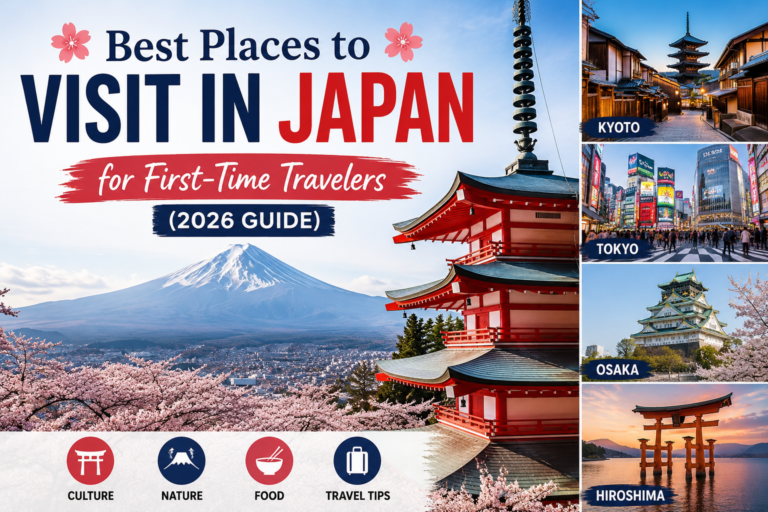
6 Comments
Comments are closed.