
Summary
People form opinions within seconds of meeting someone. Before you introduce yourself, answer a question, or shake hands, your clothing has already started communicating. Your outfit sends signals about confidence, professionalism, personality, attention to detail, and even trustworthiness.
This does not mean expensive clothing guarantees respect. Instead, your clothing choices act as a form of nonverbal communication. Colors, fit, style, condition, and overall presentation all influence first impressions.
Understanding what your outfit says about you helps you dress with purpose rather than simply following trends. Whether you are attending a job interview, meeting clients, going on a date, or spending time with friends, your style often speaks first.
Why Do Clothes Communicate Before Words?
Clothing acts as a visual language. Researchers in psychology and social behavior have repeatedly found that people make first impressions very quickly. Studies published by institutions such as Princeton University show that people often form judgments about competence, trustworthiness, and confidence within seconds of seeing someone.
When someone notices your outfit, they may unconsciously evaluate:
- Confidence level
- Professionalism
- Attention to detail
- Social awareness
- Personal interests
- Lifestyle choices
- Approachability
This process happens automatically. That is why understanding what your outfit says about you matters in both personal and professional situations.
Key Takeaways
- Clothing creates first impressions before conversations begin.
- Fit and cleanliness often matter more than price.
- Colors influence emotional perception.
- Personal style communicates personality and values.
- Different environments require different clothing choices.
- Small details like shoes and accessories affect perception.
- Authenticity creates stronger impressions than trends.
What Does Your Outfit Say About You?
Your outfit communicates information about your personality, confidence, priorities, and lifestyle. People often interpret clothing as a reflection of who you are.
For example:
| Clothing Choice | Common Perception |
|---|---|
| Well-fitted clothing | Confidence and professionalism |
| Wrinkled clothing | Lack of preparation |
| Bright colors | Energy and creativity |
| Neutral colors | Reliability and stability |
| Athletic wear | Active lifestyle |
| Luxury brands | Status and success |
| Minimalist style | Organization and simplicity |
| Creative fashion | Individuality and openness |
These impressions may not always be accurate, but they often influence how others respond.
How Outfits Influence First Impressions
First impressions happen quickly. Most people decide whether someone appears confident, friendly, trustworthy, or professional within moments.
When people evaluate appearance, they often notice:
Fit
Properly fitted clothing suggests confidence and attention to detail.
Cleanliness
Clean and maintained clothing signals responsibility.
Coordination
Matching colors and balanced outfits show planning and awareness.
Occasion Appropriateness
Dressing appropriately for the environment demonstrates social intelligence.
A business meeting, wedding, gym, and casual dinner each have different expectations. Wearing the wrong outfit may create confusion or discomfort.
The Science Behind Nonverbal Communication Through Fashion
Clothing is a major part of nonverbal communication. According to social psychology research, appearance contributes significantly to how people interpret others.
Psychologist Albert Mehrabian’s communication studies are often discussed when examining nonverbal communication, although the findings specifically apply to emotional communication rather than all conversations.
Fashion psychologists explain that clothing influences:
- Perceived authority
- Confidence
- Intelligence
- Trustworthiness
- Friendliness
- Creativity
Researchers also use the term “enclothed cognition.” This concept suggests that clothing not only affects how others see us but also influences how we see ourselves.
For example, studies published in the Journal of Experimental Social Psychology found that people wearing clothing associated with attentiveness performed certain tasks more carefully.
What Clothes Say About Your Personality
Clothing choices often reflect aspects of personality. While no outfit can fully define a person, patterns frequently emerge.
Minimalist Style
People who prefer simple colors and clean designs are often viewed as organized, practical, and reliable.
Creative Style
Bold prints, unusual combinations, and artistic pieces may suggest imagination and openness.
Classic Style
Traditional clothing often communicates stability, professionalism, and confidence.
Athletic Style
Sportswear and active clothing can suggest energy, health awareness, and an active lifestyle.
Luxury Style
Designer brands and premium pieces may signal success, ambition, or status.
Of course, personality is much more complex than clothing. However, style often provides clues that influence first impressions.
How Colors Change the Message Your Outfit Sends
Color psychology plays an important role in clothing perception.
Black
Black often communicates authority, sophistication, and confidence.
Blue
Blue is commonly associated with trust, reliability, and calmness.
White
White suggests cleanliness, simplicity, and professionalism.
Red
Red attracts attention and may communicate confidence, energy, or passion.
Green
Green often represents balance, growth, and relaxation.
Gray
Gray communicates professionalism and neutrality.
Yellow
Yellow can signal optimism and friendliness.
Choosing colors intentionally can help support the message you want to communicate.
Why Fit Matters More Than Expensive Brands
One of the biggest fashion mistakes people make is assuming expensive clothing automatically creates a better impression.
In reality, fit often matters more than price.
A well-fitted affordable outfit usually creates a stronger impression than expensive clothing that looks too large or too tight.
Good fit provides:
- Better body proportions
- Increased confidence
- Cleaner appearance
- Improved comfort
- Greater professionalism
Tailoring simple clothing can often improve appearance more than purchasing luxury brands.
What Your Shoes Say About You
People notice shoes more than many realize.
Researchers have found that footwear can influence perceptions about personality, income level, and attention to detail.
Clean and appropriate shoes often suggest:
- Responsibility
- Organization
- Professionalism
Worn-out or damaged shoes may create negative impressions even if the rest of the outfit looks good.
Business professionals frequently mention footwear as one of the first details they notice during meetings or interviews.
Real-World Example: The Impact of Clothing in Professional Settings
A study published in the Harvard Business Review discussed how clothing influences perceptions of competence and authority.
In many workplaces, employees who dress appropriately for their role often receive stronger first impressions from colleagues and clients.
This does not necessarily mean formal clothing is always better. Technology companies, creative agencies, and startups may value different dress standards than law firms or financial institutions.
The key lesson is simple:
Dress appropriately for the environment while maintaining your personal identity.
Practical Tip
Before attending an important event, ask yourself:
- What message do I want to send?
- Who will I meet?
- What expectations exist in this environment?
- Does my outfit support those goals?
This simple exercise helps align your clothing choices with your intended impression.
How Clothes Communicate Personality Without Words
Your clothing acts as silent communication. Even when you do not intend to send a message, people naturally interpret visual cues from your appearance.
This process happens in everyday situations:
- Job interviews
- First dates
- Business meetings
- Social events
- Networking events
- School and college environments
- Online photos and social media
The reason is simple. Humans rely on visual information to understand people quickly. Clothing becomes part of that information.
Someone wearing structured clothing may appear organized. Someone wearing relaxed clothing may appear approachable. Bright colors may suggest energy, while neutral tones often communicate professionalism.
Silent Communication Through Style in Different Situations
The meaning of clothing often changes depending on the environment.
Workplace
Professional environments usually value reliability and competence. Well-fitted clothing, polished shoes, and clean grooming often create positive impressions.
For example, financial industries may expect formal business clothing, while technology companies often accept smart casual styles.
Dating
On dates, clothing can communicate confidence, effort, and personality. People often interpret thoughtful clothing choices as a sign that someone values the occasion.
Social Gatherings
Casual events allow more personal expression. Your clothing may communicate hobbies, interests, creativity, or lifestyle choices.
Online Presence
Profile photos on social media and professional networks also influence perception. Clothing in these images often shapes opinions before conversations begin.
Common Clothing Mistakes That Send the Wrong Message
Many people unintentionally communicate something different from what they intend.
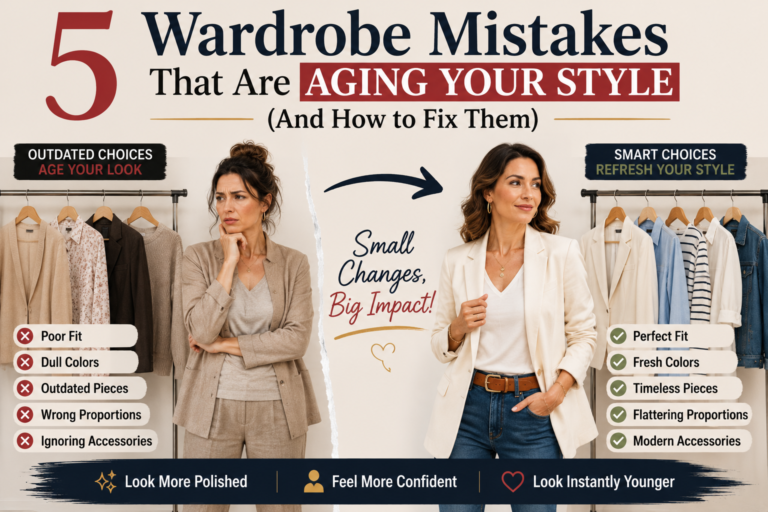
Wearing Clothes That Do Not Fit
Oversized or extremely tight clothing can distract from your appearance and reduce confidence.
Ignoring the Occasion
Wearing very casual clothing to formal events or overly formal clothing to relaxed gatherings can create discomfort.
Poor Clothing Maintenance
Wrinkles, stains, damaged shoes, or worn-out garments may suggest carelessness.
Following Trends Without Personal Style
Trends change quickly. Copying every trend without considering your personality may make your appearance feel inconsistent.
Too Many Statement Pieces
When every item competes for attention, the overall look can appear unbalanced.
How to Make a Positive First Impression Through Clothing
Creating a good impression does not require expensive brands or a large wardrobe.
Follow these practical steps:
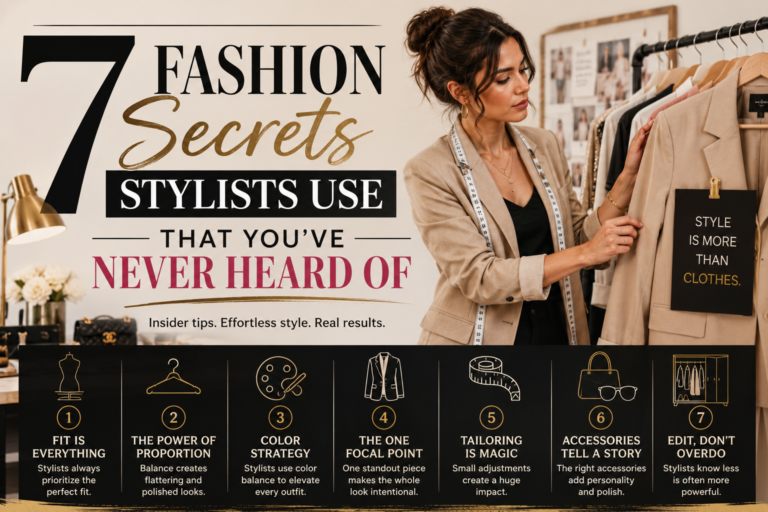
1. Prioritize Fit
Well-fitted clothing immediately improves appearance.
2. Choose Appropriate Colors
Select colors that match the occasion and your personality.
3. Maintain Your Clothes
Clean, pressed, and well-maintained clothing creates a polished look.
4. Pay Attention to Shoes
Footwear strongly influences perception.
5. Dress for the Situation
Consider the expectations of the environment.
6. Stay Authentic
Your clothing should reflect who you are instead of trying to imitate someone else.
Does Your Outfit Affect Your Confidence?
Yes. Clothing often influences confidence levels.
Researchers studying enclothed cognition have found that clothing can affect behavior, attention, and self-perception. When people feel appropriately dressed, they often experience greater confidence and comfort.
Many professionals describe feeling more prepared during presentations when wearing clothing that makes them feel capable and confident.
Similarly, athletes often perform pre-game routines that include uniforms because clothing helps reinforce identity and focus.
The goal is not to wear expensive clothes. The goal is to wear clothing that helps you feel prepared and comfortable.
Can Clothing Affect Career Opportunities?
Appearance alone does not determine success, but it can influence first impressions during hiring, networking, and business interactions.
Recruiters and managers frequently evaluate:
- Professionalism
- Attention to detail
- Understanding of workplace culture
- Personal presentation
In interviews, clothing becomes part of your overall presentation alongside experience, communication skills, and qualifications.
Dressing appropriately demonstrates respect for the opportunity.
The Role of Personal Style in Modern Fashion
Personal style has become more important than strict fashion rules.
Today, many people combine:
- Classic pieces
- Casual clothing
- Vintage items
- Sustainable fashion
- Minimalist wardrobes
Social media platforms have encouraged individual expression rather than following a single fashion standard.
The strongest style often comes from consistency rather than trends. When clothing reflects your personality, values, and lifestyle, people often perceive authenticity.
How Social Media Changed Clothing Perception
Social media has increased awareness of personal style.
Platforms such as Instagram, Pinterest, and fashion blogs expose people to many different styles and trends. However, this can also create pressure to dress for online approval.
Real style focuses on:
- Comfort
- Confidence
- Function
- Personal identity
Clothing that works in daily life often creates stronger impressions than outfits designed only for photographs.
Frequently Asked Questions
What does your outfit say about you?
Your outfit can communicate confidence, professionalism, creativity, lifestyle, and personality traits. People often form impressions based on clothing before conversations begin, making style an important part of nonverbal communication.
How do clothes influence first impressions?
Clothing influences first impressions by affecting how others perceive trustworthiness, competence, confidence, and social awareness. Fit, cleanliness, colors, and appropriateness all contribute to these judgments.
Can clothing reflect personality?
Yes. Clothing choices often reflect preferences, interests, habits, and values. Minimal styles may suggest simplicity, while creative outfits may indicate individuality and openness.
Why are first impressions and clothing connected?
People process visual information quickly. Since clothing is immediately visible, it becomes one of the first signals people use to form opinions.
Do expensive clothes make a better impression?
Not necessarily. Fit, cleanliness, and appropriateness usually matter more than price. Well-maintained affordable clothing can create stronger impressions than expensive clothing that fits poorly.
How can I improve my style without spending a lot?
Focus on proper fit, versatile colors, clean shoes, and quality basics. Small improvements often create noticeable changes in appearance.
Internal Linking Opportunities
You can naturally link this article to related content using anchors such as:
- building a budget capsule wardrobe
- why your wardrobe is secretly sabotaging your style
- the one fashion mistake even stylish people make
These internal links help users continue learning while improving topical authority.
Final Thoughts
What your outfit says about you before you even speak is not about fashion rules or expensive brands. It is about communication.
Every outfit sends signals about confidence, personality, professionalism, and attention to detail. These signals influence first impressions in workplaces, social settings, relationships, and everyday interactions.
The most effective style is not about copying trends. It is about understanding the message your clothing sends and making choices that reflect who you are.
When your appearance matches your personality, people often experience your style as authentic, trustworthy, and confident.
Conclusion
Your clothing speaks before your voice does. Whether you are attending a job interview, meeting new people, or simply going about your day, your outfit contributes to the first impression you create.
Focus on fit, comfort, appropriateness, and authenticity. Small improvements can change how others perceive you and how you feel about yourself.

Siddharth Kapoor is a fashion and lifestyle writer covering style trends, wardrobe choices, and everyday dressing for real people. He focuses on practical fashion — not runway looks — and writes for readers who want to look good without overthinking it. His articles on OpinionHook cut through the noise and tell you what actually works.


[…] what your outfit says about you before you even speak […]
[…] what your outfit says about you before you even speak […]
[…] what your outfit says about you before you even speak […]