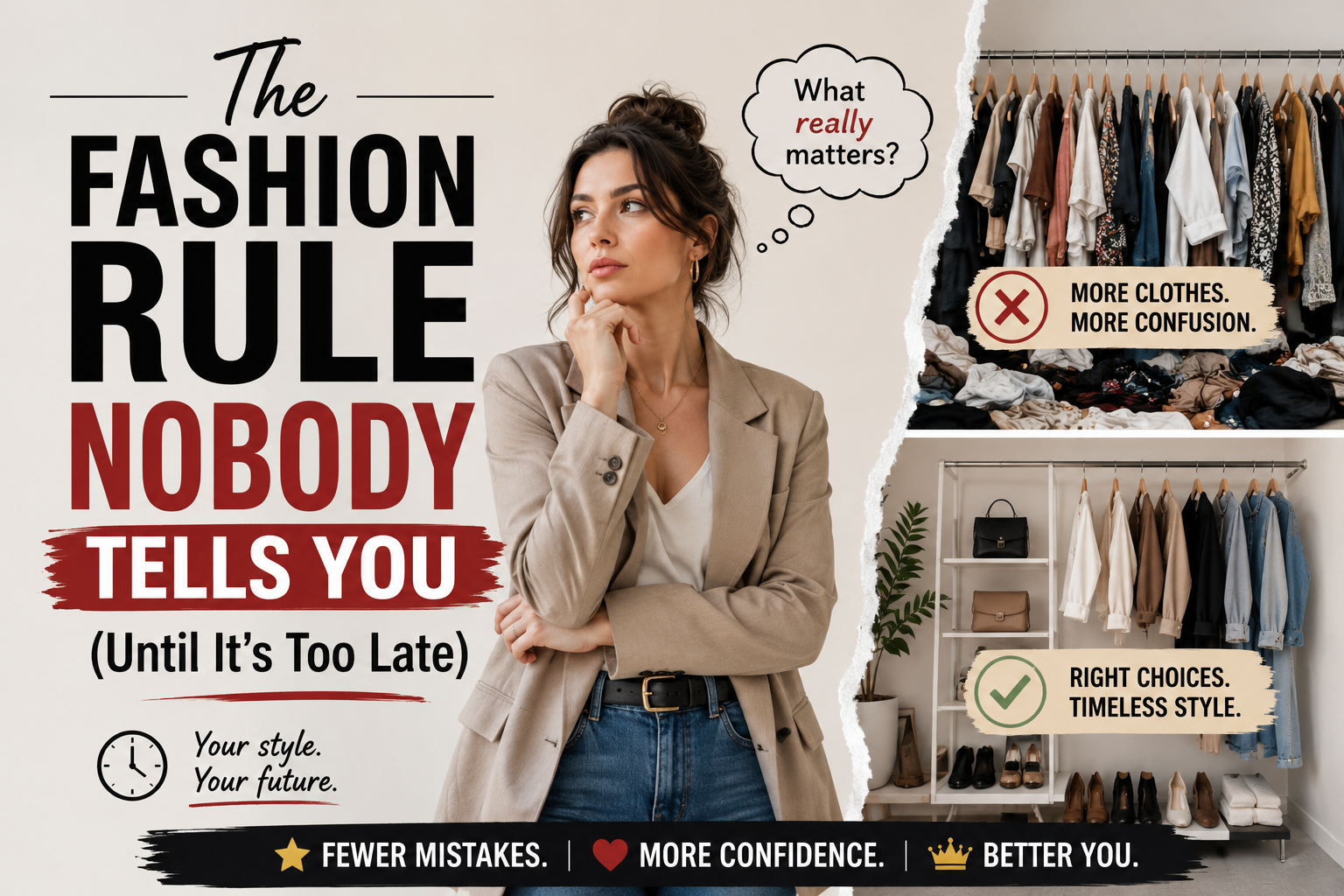
The Fashion Rule Nobody Tells You (Until It’s Too Late)
Summary
Most people spend years learning fashion rules that never actually improve their style. They hear advice about trends, expensive brands, body types, and seasonal colors. Yet many still feel like something is missing.
The fashion rule nobody tells you is surprisingly simple:
Your clothes should work for your life before they work for your wardrobe.
Many style mistakes happen because people buy clothing for the person they want to become instead of the person they are today. They purchase trends they rarely wear, follow fashion advice that does not suit their lifestyle, and ignore the basics that truly matter.
Understanding this unwritten rule can save money, reduce wardrobe frustration, and help build a style that feels natural and confident.
Why Most People Learn This Fashion Rule Too Late
Many people spend years chasing trends before realizing that good style is not about owning more clothes.
Fashion industries change rapidly. New trends appear every season, social media promotes constant buying, and influencers often showcase outfits that do not fit everyday life.
As a result, people commonly experience:
- Closets full of unworn clothing
- Impulse purchases
- Outfit frustration
- Style confusion
- Wasted money
The hidden fashion rule is that clothing should solve problems, not create them.
When your wardrobe supports your daily activities, getting dressed becomes easier and more enjoyable
Key Takeaways
- Fashion should support your lifestyle.
- Fit matters more than trends.
- Expensive clothing does not guarantee style.
- Personal consistency creates stronger style than trend chasing.
- Most fashion mistakes happen because of poor buying habits.
- Confidence often comes from comfort and authenticity.
- Building a practical wardrobe reduces decision fatigue.
What Is the Fashion Rule Nobody Tells You?
The most important fashion rule is simple:
Dress for your real life, not your fantasy life.
Many people buy clothes for events that rarely happen.
Examples include:
- Formal outfits worn once every few years
- Trendy pieces that feel uncomfortable
- Shoes that cannot be worn for long periods
- Expensive items that remain in closets
Meanwhile, the clothing people wear every week often receives the least attention.
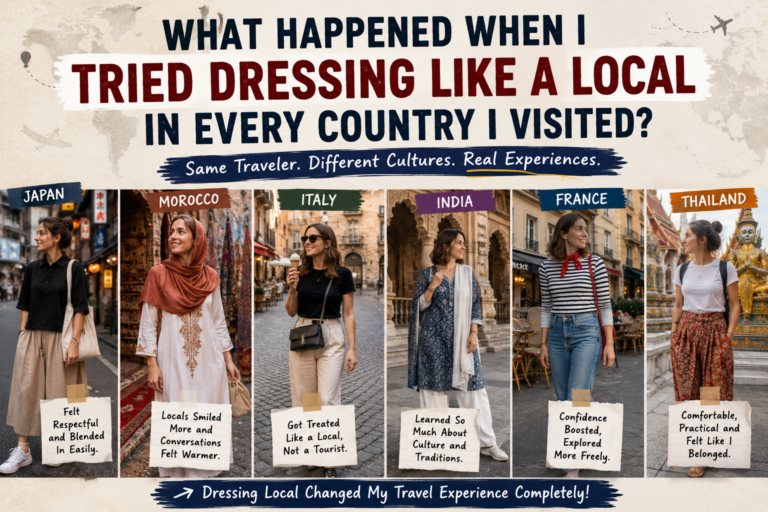
If you work remotely, comfortable smart casual clothing may serve you better than multiple business suits.
If you travel frequently, versatile clothing may be more valuable than highly specialized outfits.
This rule explains why many people feel they have “nothing to wear” despite owning many clothes.
Why Style Mistakes Everyone Makes Usually Start While Shopping
Most common fashion mistakes begin in stores or online shopping carts.
People often buy clothing because:
- It is on sale.
- Someone else looks good wearing it.
- It is currently trending.
- Social media recommends it.
- It feels exciting in the moment.
However, good purchasing decisions usually answer three questions:
- Where will I wear this?
- What will I pair it with?
- Will I still wear this six months from now?
If these questions have unclear answers, the purchase may become another unused item.
The Difference Between Fashion and Personal Style
Fashion changes constantly. Personal style develops over time.
Fashion includes:
- Seasonal trends
- Popular colors
- Runway collections
- Influencer trends
Personal style includes:
- Comfort preferences
- Lifestyle needs
- Personality
- Daily routines
People with strong personal style often wear trends selectively rather than following everything.
For example, many successful public figures maintain recognizable styles year after year because consistency becomes part of their identity.
Why Fit Is the Style Rule Beginners Miss
The biggest fashion advice nobody shares is that fit matters more than labels.
A moderately priced jacket that fits properly often looks better than an expensive designer piece with poor proportions.
Fit affects:
- Confidence
- Body proportions
- Comfort
- Professional appearance
- Overall style
Tailoring basic clothing can dramatically improve appearance.
Fashion experts frequently recommend spending money on alterations before spending money on luxury brands.
Common Fashion Mistakes People Realize Too Late
Many style problems appear after years of repeated habits.
| Common Mistake | Long-Term Result |
|---|---|
| Buying trends constantly | Wasted money |
| Ignoring fit | Poor appearance |
| Shopping emotionally | Unused clothing |
| Following every style rule | Lack of identity |
| Prioritizing brands | Weak wardrobe foundation |
| Keeping unworn clothes | Closet clutter |
| Dressing for others | Reduced confidence |
Understanding these mistakes early can save both money and frustration.
Why Confidence Is More Important Than Trends
Clothing influences confidence, but confidence also changes how clothing appears.
Researchers studying enclothed cognition have found that clothing can influence behavior and self-perception.
People often appear more stylish when they:
- Feel comfortable
- Understand their clothing choices
- Wear appropriate outfits
- Express their personality
Many fashion icons became recognizable not because they followed trends but because they consistently wore styles that suited them.
Confidence often comes from familiarity and comfort rather than fashion rules.
The Unwritten Dressing Rules Nobody Explains
Certain style rules are rarely discussed directly.
Clothes Should Match the Situation
Appropriate clothing helps people feel comfortable in social settings.
Quality Matters More Than Quantity
Fewer versatile pieces often outperform large wardrobes filled with low-quality items.
Grooming Completes the Outfit
Hair, shoes, and clothing care significantly affect appearance.
Comfort Influences Confidence
Uncomfortable clothing often affects posture, mood, and behavior.
Style Evolves Over Time
Your wardrobe should change as your lifestyle changes.
Real-Life Example: Why Simple Style Often Works Better
Many successful business leaders have become known for wearing consistent outfits.
For example, individuals in technology, business, and creative industries often reduce wardrobe decisions by relying on signature looks.
This approach reduces decision fatigue and creates consistency.
The lesson is not to wear identical clothing every day. The lesson is that simplicity often works better than constant change.
How Social Media Changed Fashion Advice
Social media made fashion more accessible, but it also created unrealistic expectations.
Many outfits online are:
- Professionally styled
- Photographed for specific purposes
- Worn briefly
- Influenced by sponsorships
Real life requires clothing that functions during work, travel, family activities, and everyday responsibilities.
Comparing daily life to curated online content often leads to unnecessary purchases and dissatisfaction.
Soft CTA
Before buying your next outfit, take five minutes to review your existing wardrobe. Identify what you actually wear every week.
You may discover that improving your favorite pieces creates more value than buying new ones.
Why Building a Functional Wardrobe Matters
A functional wardrobe contains clothing that works together.
Examples include:
- Neutral basics
- Versatile shoes
- Layering pieces
- Reliable outerwear
- Everyday essentials
This approach reduces stress and increases outfit options.
Fashion professionals often refer to this concept as wardrobe foundations.
When the basics work well, trends become optional additions instead of necessities.
The Fashion Rule You Learn Too Late: Clothing Should Serve You
Many people eventually realize that clothing is a tool.
It can help you:
- Feel confident
- Express personality
- Improve first impressions
- Support your lifestyle
- Reduce daily stress
The purpose of style is not to impress everyone.
The purpose is to create a wardrobe that helps you live your life comfortably and confidently.
Fashion Tips Beginners Miss
Many people entering the world of fashion focus on trends first. However, experienced stylists often recommend mastering the basics before experimenting with new styles.
The following principles can improve almost any wardrobe:
Buy Less, Wear More
A smaller collection of frequently worn clothes often provides greater value than a large closet filled with rarely used items.
Learn Your Measurements
Knowing your shoulder width, waist, inseam, and chest measurements helps you buy better-fitting clothing both online and in stores.
Build Around Basics
Basic pieces create more outfit combinations than statement items.
Prioritize Versatility
Items that work in multiple situations provide better value.
Replace Worn Essentials
Old shoes, stretched shirts, and damaged outerwear can reduce the impact of an otherwise good outfit.
How to Build a Smarter Wardrobe
A practical wardrobe focuses on real-life needs.
Start by dividing your life into categories:
- Work
- Casual activities
- Social events
- Exercise
- Travel
- Special occasions
Then evaluate how much time you spend in each category.
For example:
| Lifestyle Area | Time Spent | Wardrobe Priority |
|---|---|---|
| Work | 40% | High |
| Casual wear | 35% | High |
| Exercise | 10% | Medium |
| Events | 10% | Medium |
| Formal occasions | 5% | Low |
Many people spend too much money on categories they rarely use.
What Are the Unwritten Dressing Rules?
Several unwritten dressing rules influence style without being openly discussed.
Rule 1: Proper Fit Always Wins
Fit creates structure and improves proportions.
Rule 2: Clean Clothes Matter
Maintenance affects appearance more than price.
Rule 3: Shoes Matter
People often notice footwear quickly.
Rule 4: Context Matters
Different situations require different levels of formality.
Rule 5: Personal Style Matters More Than Trends
Consistency creates stronger impressions than constantly changing styles.
Featured Snippet: What Is the Fashion Rule Nobody Tells You?
The fashion rule nobody tells you is to dress for your actual life rather than your idealized lifestyle. Clothes should match your daily activities, fit properly, and support your comfort and confidence. Practical clothing choices usually create better long-term style than chasing trends.
Why People Regret Following Trends
Trends move quickly.
Fast fashion cycles encourage consumers to buy new items every season. However, many trend-driven purchases lose appeal within months.
Common regrets include:
- Buying uncomfortable shoes
- Purchasing difficult colors
- Choosing low-quality materials
- Following influencer recommendations blindly
Long-lasting wardrobes often combine classic basics with a few current pieces.
How to Avoid Common Fashion Mistakes
The best way to avoid style mistakes is to slow down purchases.
Ask these questions:
- Will I wear this at least 20 times?
- Does this match other items I own?
- Does it fit comfortably?
- Is it suitable for my lifestyle?
- Would I buy this if it were not on sale?
These questions reduce impulse buying and improve wardrobe quality.
People Also Ask
What is the biggest fashion mistake people make?
The biggest fashion mistake is buying clothes that do not fit their lifestyle. Many people purchase trendy items they rarely wear instead of investing in versatile pieces they use regularly.
Why do people learn fashion rules too late?
People often focus on trends, brands, and outside opinions before understanding their own needs. Experience usually teaches that comfort, fit, and practicality matter more than fashion trends.
What fashion advice do experts give most often?
Fashion professionals frequently recommend prioritizing fit, building versatile wardrobes, maintaining clothing properly, and dressing authentically instead of chasing trends.
Do expensive clothes improve your style?
Expensive clothing alone does not guarantee good style. Fit, maintenance, confidence, and personal consistency usually have a greater impact on appearance.
How can beginners improve their style?
Beginners can improve their style by understanding fit, choosing versatile basics, avoiding impulse purchases, and building outfits around their daily activities.
Why do people have closets full of clothes but nothing to wear?
This usually happens when clothing purchases are disconnected from daily life. People buy individual items instead of building complete, practical wardrobes.
Internal Linking Opportunities
You can naturally add internal links to related articles using these anchor texts:
- what your outfit says about you before you even speak
- why your wardrobe is secretly sabotaging your style
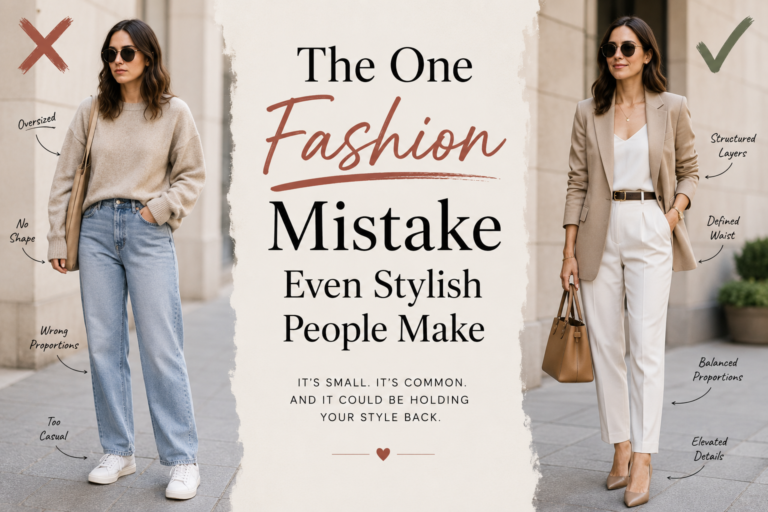
- the one fashion mistake even stylish people make
These internal links strengthen topical authority and improve user engagement.
Expert Insight: Why Simplicity Often Wins
Fashion consultants frequently observe that the most stylish people own fewer clothes than expected.
They understand:
- Their preferred colors
- Their ideal fit
- Their daily needs
- Their personal style
Instead of chasing every trend, they build consistency.
This approach reduces shopping mistakes and creates stronger personal style over time.
Final Thoughts
The fashion rule nobody tells you until it is too late is that clothing should serve your life.
Your wardrobe should make daily decisions easier, increase confidence, and reflect who you are. It should not create stress, clutter, or pressure.
Fashion trends will continue to change. Social media will continue to influence buying decisions. New rules will appear every season.
But the most important style principle remains the same:
Wear clothes that fit your body, your lifestyle, and your personality.
Conclusion
Many people spend years searching for the perfect style without realizing that the answer is often simple.
Good style is not about expensive brands, large wardrobes, or following every trend. It comes from understanding yourself, your needs, and your daily life.
The fashion rule you learn too late is also the one that matters most:
Buy less, choose better, wear what serves your life, and build a wardrobe that works for you.
If you apply this principle, you will spend less money, make fewer mistakes, and develop a style that feels natural and lasting.

Siddharth Kapoor is a fashion and lifestyle writer covering style trends, wardrobe choices, and everyday dressing for real people. He focuses on practical fashion — not runway looks — and writes for readers who want to look good without overthinking it. His articles on OpinionHook cut through the noise and tell you what actually works.