
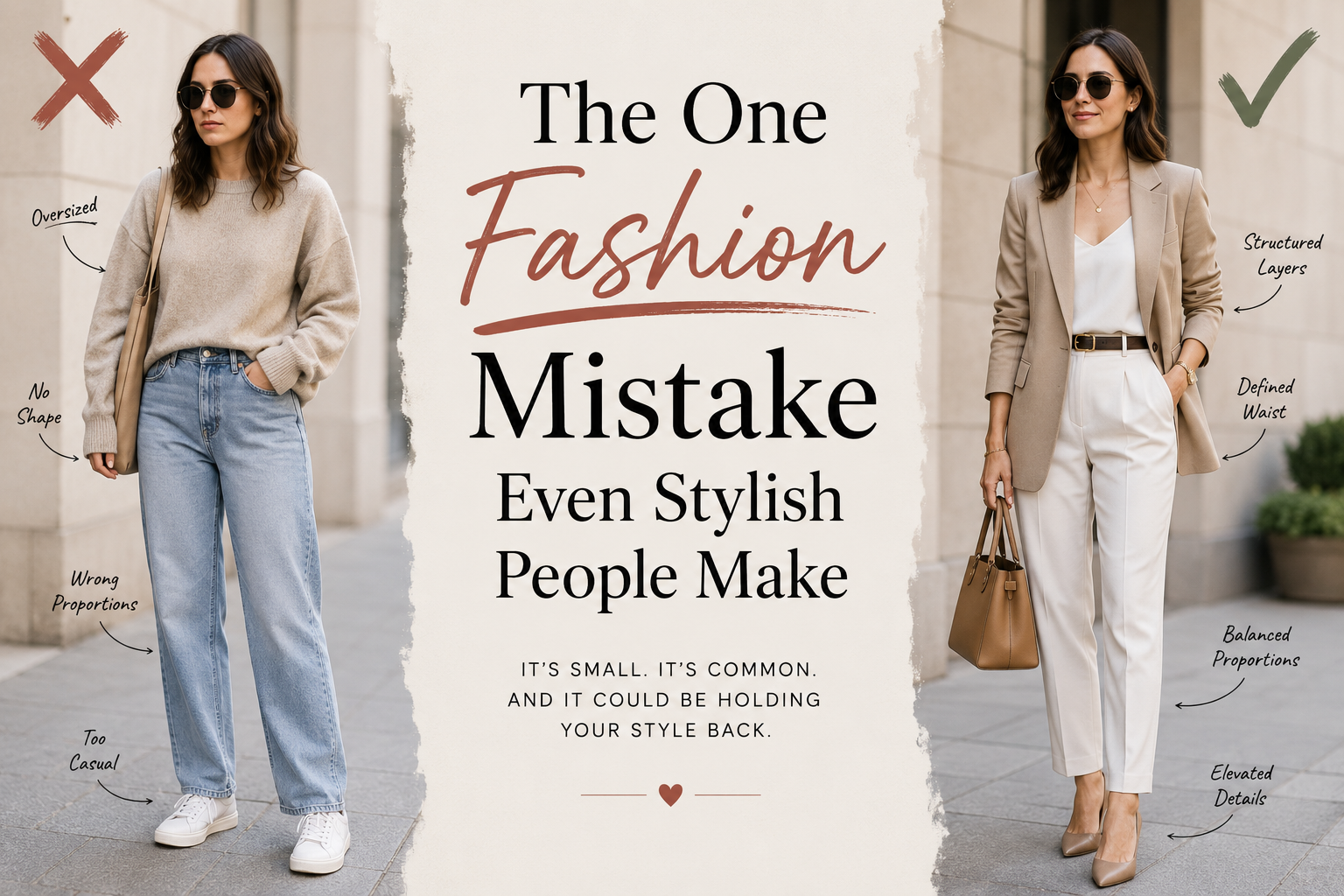
The One Fashion Mistake Even Stylish People Make
Summary
Many people assume that stylish individuals always make perfect fashion choices. The reality is very different. Even people with great taste, expensive wardrobes, and years of fashion experience make one surprisingly common mistake that quietly damages their style.
The mistake is not wearing the wrong trend, buying cheap clothes, or ignoring fashion advice. It is wearing clothes that no longer match who they are, how they live, or how they want to present themselves.
This article explains the one fashion mistake even stylish people make, why it happens, how it affects outfits, and what you can do to avoid it. Whether you love fashion or simply want your clothes to work better, understanding this mistake can completely change the way you dress.
The One Fashion Mistake Even Stylish People Make
Have you ever looked at someone’s outfit and thought, “They usually dress so well. Why doesn’t this look right?”
The answer is often not the clothes themselves.
Many stylish people eventually fall into the habit of dressing for a previous version of themselves. Their wardrobe reflects an old job, an old lifestyle, an old trend, or an old image.
As a result, even expensive clothing and fashionable pieces begin to feel disconnected.
This is one of the most common fashion mistakes people make, and it affects beginners and fashion lovers alike.
Key Takeaways
- The biggest fashion mistake is dressing for a past version of yourself.
- Personal style changes as life changes.
- Good style requires regular wardrobe evaluation.
- Fit, lifestyle, and comfort matter more than trends.
- Fashion habits can quietly damage your appearance.
- A smaller, intentional wardrobe often works better.
- Style should support your current life.
What Is the One Fashion Mistake Even Stylish People Make?
The biggest fashion mistake is failing to update your style as your life changes.
People often continue wearing clothes that represented them years ago. Their lifestyle, career, age, priorities, and daily routines may change, but their wardrobe remains the same.
Examples include:
- A former office worker still buying business clothing after working remotely.
- Someone continuing to follow trends they no longer enjoy.
- Keeping clothes from a previous body size.
- Wearing styles that no longer feel authentic.
This disconnect creates outfits that feel uncomfortable, forced, or outdated.
Why Your Outfits Don’t Look Right
Outfits usually look wrong because something feels disconnected.
That disconnect may involve:
- Poor fit.
- Wrong proportions.
- Outdated clothing.
- Inconsistent styles.
- Mismatched lifestyle needs.
Fashion stylists frequently explain that good style happens when clothing aligns with your personality, body, and lifestyle.
When those elements do not match, outfits lose their impact.
Why Personal Style Changes Over Time
Style naturally evolves.
Your clothing preferences at age 18 may differ greatly from your preferences at 35 or 50.
Several factors influence personal style:
Lifestyle Changes
Career changes, family responsibilities, and location all affect clothing needs.
Body Changes
Bodies naturally change over time. Clothing should adapt accordingly.
Priorities
Comfort, quality, practicality, and confidence often become more important than trends.
Experience
People usually become more selective as they gain experience with fashion.
Accepting these changes helps avoid many style mistakes.
Common Fashion Mistakes That Hurt Your Style
Many fashion habits quietly damage personal style.
Chasing Every Trend
Fashion trends move quickly.
Social media platforms constantly introduce new styles, aesthetics, and products. Trying to follow every trend often creates a confusing wardrobe.
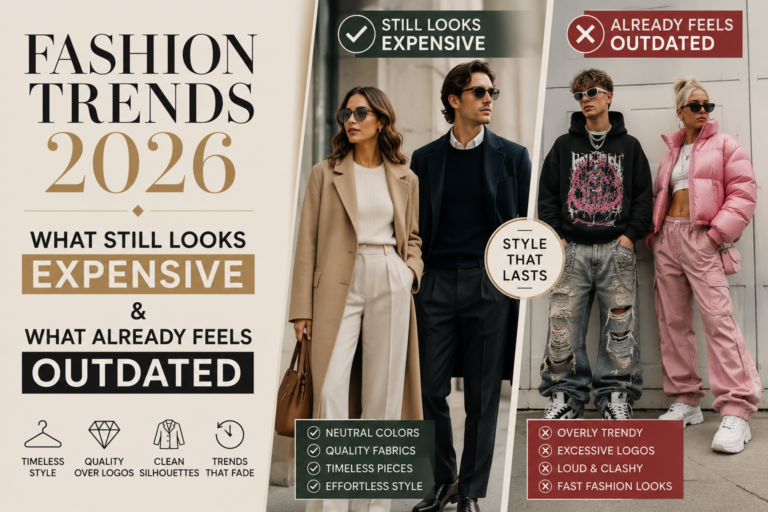
Fashion editors frequently recommend selecting trends carefully rather than adopting everything.
Buying Without a Purpose
Impulse purchases rarely solve style problems.
Before buying an item, ask:
- Where will I wear this?
- Does it work with my existing clothes?
- Does it fit my lifestyle?
Purposeful shopping produces stronger wardrobes.
Ignoring Comfort
Uncomfortable clothing rarely looks good.
People who constantly adjust, pull, or fix their clothing often appear less confident.
Comfort and style should work together.
The Difference Between Fashion and Personal Style
Fashion changes.
Personal style stays more consistent.
Fashion includes:
- Seasonal trends.
- Popular colors.
- Runway collections.
- Social media aesthetics.
Personal style includes:
- Preferences.
- Lifestyle.
- Personality.
- Practical needs.
Stylish people understand the difference.
They borrow from fashion without abandoning their own identity.
Real-Life Example: The Evolution of Style
Many public figures have changed their style as their lives evolved.
For example, many actors, business leaders, and fashion editors dress differently today than they did earlier in their careers.
Their wardrobes changed because:
- Their responsibilities changed.
- Their priorities changed.
- Their personal identity evolved.
This shows that style growth is normal.
Fashion Habits That Hurt Your Style
Certain habits create long-term style problems.
Keeping Clothes You Never Wear
Unused clothing creates clutter.
Many people wear only a portion of their wardrobe regularly.
Clothing that no longer fits or feels relevant often makes getting dressed harder.
Shopping Emotionally
People frequently shop because they feel bored, stressed, or frustrated.
Emotional purchases often become unworn items.
Intentional shopping usually produces better results.
Comparing Yourself to Others
Social media creates unrealistic expectations.
Influencers, celebrities, and content creators often have:
- Professional styling.
- Photography.
- Editing.
- Sponsorships.
Their wardrobes may not reflect everyday life.
Personal style develops through experience rather than comparison.
Why Fit Matters More Than Expensive Clothing
Many fashion experts agree that fit matters more than price.
Well-fitting clothing often looks more polished than expensive clothing with poor proportions.
Simple alterations can improve:
- Pants length.
- Sleeve length.
- Waist fit.
- Jacket shape.
Professional tailoring remains one of the most effective style investments.
Style Mistakes Even Stylish People Make
Even experienced dressers occasionally:
- Buy trend pieces they never wear.
- Ignore changing lifestyles.
- Keep outdated clothing.
- Dress for other people’s expectations.
- Prioritize fashion over comfort.
Recognizing these habits helps prevent future mistakes.
The Relationship Between Confidence and Style
Clothing affects confidence.
Research in psychology has shown that clothing can influence behavior, mood, and self-perception.
People often appear stylish because they feel comfortable and authentic.
Confidence usually comes from:
- Proper fit.
- Comfortable clothing.
- Personal expression.
- Consistency.
Style works best when it supports confidence rather than replacing it.
Soft Style Check-In
Ask yourself these questions:
- Do my clothes reflect my life today?
- Do I enjoy wearing these items?
- Am I dressing for myself?
- Do my outfits feel comfortable?
- Would I buy these clothes again?
If several answers are no, your wardrobe may need attention.
If this sounds familiar, spend some time reviewing your favorite outfits and identifying why they work. Small observations often lead to major improvements.
Wardrobe Mistakes That Affect Style
Your wardrobe directly affects your style. Even fashionable people struggle when their closet contains pieces that no longer work together.
Owning Too Many Trend Pieces
Trend items can add personality, but a closet filled entirely with trends often becomes difficult to style.
A balanced wardrobe usually contains:
- Timeless basics
- Seasonal updates
- Personal statement pieces
- Functional everyday clothing
Fashion editors often recommend using trends as accents rather than foundations.
Buying for an Imaginary Lifestyle
Many people purchase clothing for situations that rarely happen.
Examples include:
- Formal clothing for casual lifestyles.
- Party outfits that stay unworn.
- Office clothing after switching to remote work.
- Trendy pieces that feel uncomfortable.
Your wardrobe should support your actual life.
Ignoring Wardrobe Gaps
Some people own dozens of clothes but still miss essential pieces.
Common gaps include:
- Comfortable everyday shoes.
- Neutral tops.
- Proper outerwear.
- Quality jeans.
- Layering pieces.
Building a complete wardrobe often matters more than buying more clothing.
Why Fashion Mistakes Happen
Fashion mistakes usually happen because people rely on outside influences instead of personal needs.
Common causes include:
- Social media pressure.
- Impulse shopping.
- Trend chasing.
- Lack of wardrobe planning.
- Emotional buying.
Even stylish people experience these challenges.
The goal is not perfection. The goal is awareness.
How to Fix Your Personal Style
Improving your style does not require replacing your entire wardrobe.
Step 1 – Evaluate Your Current Closet
Remove items that:
- Do not fit.
- Feel uncomfortable.
- No longer match your lifestyle.
- Have not been worn for years.
Step 2 – Identify Your Favorite Outfits
Look at the outfits you wear repeatedly.
These combinations often reveal your true style preferences.
Step 3 – Build Around Your Essentials
Focus on pieces you genuinely enjoy wearing.
Examples:
- Quality denim.
- Comfortable shoes.
- Neutral layers.
- Well-fitting jackets.
Step 4 – Shop With Purpose
Only purchase items that solve actual wardrobe problems.
This reduces waste and improves consistency.
Practical Checklist to Improve Personal Style
| Question | Yes | No |
|---|---|---|
| Does this fit properly? | □ | □ |
| Does it match my lifestyle? | □ | □ |
| Can I wear it often? | □ | □ |
| Does it work with other clothes? | □ | □ |
| Would I buy it again today? | □ | □ |
Using this checklist before purchases helps avoid many common fashion mistakes.
Why Consistency Matters More Than Trends
Many people admire stylish individuals because of consistency.
Their clothes:
- Reflect their personality.
- Work together.
- Support their lifestyle.
- Feel authentic.
Consistency creates recognition.
Trends create temporary excitement.
Long-term style comes from understanding what works for you.
Real-World Example: Uniform Dressing
Many successful professionals adopt a simplified wardrobe.
Business leaders, designers, and creative professionals often repeat certain colors, silhouettes, or outfit formulas.
The purpose is not boredom.
It reduces decision fatigue and creates consistency.
This approach demonstrates that style often improves when choices become more intentional.
Featured Snippet: What Is the Biggest Fashion Mistake?
The biggest fashion mistake is wearing clothes that no longer reflect your current lifestyle, body, and personality. Many people continue dressing for old habits, old trends, or outdated versions of themselves, causing their outfits to feel disconnected and less authentic.
How to Know if Your Style Is No Longer Working
You may need a style update if:
- You constantly buy new clothes.
- Getting dressed feels stressful.
- Your outfits feel outdated.
- You rarely wear most of your closet.
- You copy others instead of dressing for yourself.
- Your clothing no longer fits your lifestyle.
Recognizing these signs allows you to make meaningful changes.
People Also Ask
What is the biggest fashion mistake people make?
The biggest fashion mistake is continuing to wear clothes that no longer reflect your current lifestyle, body, or personality. This often causes outfits to feel disconnected and outdated.
Why do my outfits look wrong even with expensive clothes?
Price does not guarantee style. Poor fit, inconsistent pieces, uncomfortable clothing, or outfits that do not match your lifestyle often make expensive clothes look ineffective.
Can stylish people make fashion mistakes?
Yes. Even stylish people make mistakes such as chasing trends, buying unnecessary clothing, ignoring fit, or holding onto outdated styles.
How do I improve my personal style?
Improve your style by evaluating your wardrobe, identifying favorite outfits, focusing on fit, and purchasing clothing that supports your real lifestyle.
What fashion habits hurt your style?
Impulse shopping, trend chasing, keeping unworn clothes, ignoring fit, and comparing yourself to others can negatively affect personal style.
How often should you update your wardrobe?
Most people benefit from reviewing their wardrobe once or twice a year. Seasonal evaluations help remove unwanted items and identify genuine clothing needs.
Style Comparison Table
| Style Habit | Positive Result | Negative Result |
|---|---|---|
| Shopping intentionally | Better outfits | Closet clutter |
| Dressing for your lifestyle | Greater confidence | Frustration |
| Prioritizing fit | Polished appearance | Awkward outfits |
| Building basics | Versatility | Limited options |
| Following every trend | Short-term excitement | Inconsistent style |
Conclusion: Style Improves When You Dress for Who You Are Today
The one fashion mistake even stylish people make is surprisingly simple.
They continue dressing for a previous version of themselves.
Life changes. Bodies change. Careers change. Priorities change.
Your wardrobe should change as well.
Fashion works best when it reflects your present life rather than your past. The most stylish people are not those who follow every trend. They are the people who understand themselves and dress accordingly.
Start small.
Review your closet.
Identify what still works.
Remove what no longer serves you.
Build around clothing that makes you feel comfortable, confident, and authentic.
You do not need a completely new wardrobe.
You need a wardrobe that represents who you are today.
Take one action this week:
- Donate unworn clothing.
- Create three favorite outfits.
- Repair one neglected item.
- Make a list before shopping.
Small decisions often create the biggest style improvements.

Siddharth Kapoor is a fashion and lifestyle writer covering style trends, wardrobe choices, and everyday dressing for real people. He focuses on practical fashion — not runway looks — and writes for readers who want to look good without overthinking it. His articles on OpinionHook cut through the noise and tell you what actually works.

One Comment
Comments are closed.