Schengen Visa Rejection Reasons for Indians: What to Fix Before You Reapply
Quick answer: Schengen visas for Indian applicants are refused for a short list of reasons set by EU law, and your refusal letter must say which ones apply. The most common ones in practice are unclear purpose of travel, not enough proof of money, missing or invalid travel insurance, and doubt that you will leave the Schengen Area on time. If you are refused, you can usually appeal under the national law of the country that refused you, or fix the gaps and apply again.
A refusal feels personal, but the form is standard and the reasons are specific. This guide shows what each reason means, how to read your letter, what your options are, and what to fix before you try again.
Key takeaways
- The refusal must be given on a standard form (Annex VI of the Visa Code) that ticks the reasons for the decision.
- The form lists 11 numbered reasons. Most refusals for tourists fall under purpose of stay, means of money, insurance, reliability of documents, or intention to leave.
- Appeals follow the national law of the country that refused you. The form says so, and the deadline is set by that country, so read your letter right away.
- Applying again is a separate option. A new application should answer the exact reason on your letter, not repeat the old file.
- A refusal is not a ban. The reasons that do lead to long problems are false documents, overstays and security alerts.
- Do not buy flights before you have the visa.
How Schengen refusals work
When a consulate refuses your visa, Article 32 of the EU Visa Code says the decision and its reasons must be given to you on the standard form in Annex VI. The decision is made under that article, which lists the grounds. The form also tells you how to appeal.
The consulate does not have to explain in a long letter. It ticks boxes. That is why the numbers on your form matter more than the tone of any message from an agent or a visa centre. The official visa application centre is only a service provider. The decision belongs to the consulate. If you want a full look at how the process runs, read our step-by-step Schengen visa process for Indians.
The 11 reasons on the refusal form
The table below follows the Annex VI text on EUR-Lex. The numbers in the version of the form your consulate sends may be laid out a little differently, so match the wording, not just the number.
| No. | Reason on the form | What it usually means for you |
|---|---|---|
| 1 | A false, counterfeit or forged travel document was presented | The passport itself was found to be invalid or tampered with |
| 2 | Justification for the purpose and conditions of the intended stay was not provided | Your itinerary, invitation or bookings did not explain the trip |
| 3 | You have not provided proof of sufficient means of subsistence | Bank records did not show enough money for the stay and return |
| 4 | You have already stayed for the maximum time in the current period | Your earlier stays used up the allowed days |
| 5 | An alert has been issued in the Schengen Information System for refusing entry | Another country has flagged you |
| 6 | You are considered a threat to public policy, internal security, public health or international relations | A security, health or policy concern |
| 7 | Proof of adequate and valid travel medical insurance was not provided | Insurance missing, too short or without the right cover |
| 8 | The information about the purpose and conditions of the stay was not reliable | Documents or statements looked doubtful or inconsistent |
| 9 | Your intention to leave before the visa expires could not be ascertained | The officer was not convinced you would return |
| 10 | Proof that you could not apply in advance was not provided | Applies to border applications, rarely to tourists from India |
| 11 | Revocation was requested by the visa holder | Only for cancellations you asked for |
For most Indian tourists, the reasons that appear again and again are 2, 3, 7, 8 and 9. Reason 1, 5 and 6 are more serious, because they involve identity, an alert or a security view, and they are harder to fix.
What the common reasons mean in real life
Purpose and conditions of the stay (reason 2)
This is the broadest ground. It usually means the trip plan did not hang together. Examples include hotel bookings that do not match your dates, a route that visits many countries with no clear main destination, or an invitation letter that does not explain who is paying. A clear day-by-day plan and one main destination country helps.
Not enough means of subsistence (reason 3)
The Visa Code asks you to show you have enough money for the stay and the return, or that you can lawfully obtain it. Consulates look at your bank statements for stable income, not for a large sum that appears just before you apply. Our process guide covers what balance and statements to prepare.
Insurance (reason 7)
Travel medical insurance has to be adequate and valid. Check that the dates cover your whole stay, that the policy covers the Schengen Area, and that the certificate is in the name on your passport.
Unreliable information (reason 8)
This one is about trust. Inconsistent dates, different job details across documents, unexplained gaps or unverifiable letters can all trigger it. The Visa Code also allows consulates to ask for extra documents or an interview in justified cases.
Intention to leave on time (reason 9)
The consulate must be convinced you will go home. Ties to India, such as a job, a business, family and property, help here, but they only matter if they are documented and match the rest of the file. A first-time traveller with a thin record often faces this ground.
How to read your refusal letter
1. Find the ticked boxes. The numbers tell you which grounds applied. One refusal can have more than one.
2. Read any remarks. Some consulates add a short note. Treat it as the real clue.
3. Note the date and the issuing country. The appeal rules and deadlines belong to that country.
4. Find the appeal section. The form says you may appeal as set out in national law. It also says you must receive a copy of the document.
5. Keep every page. You will need the letter for an appeal and to answer questions on your next form.
Do not guess what went wrong from rumours in travel groups. Work from your own form.
Appeal or reapply: which is better?
The Annex VI form says you may appeal against a refusal as provided for in national law. It does not give one EU-wide deadline, court or fee. Each country decides. Some countries have a review at the consulate first, and others go to a court or tribunal. Some give a short time to act, so check the instructions on your letter and the consulate website at once.
| Option | When it makes sense | Watch out for |
|---|---|---|
| Appeal | You think the officer made a clear mistake, such as overlooking a document you did submit | Deadlines are set by the refusing country, and an appeal rarely adds new evidence |
| Reapply | The refusal was because something was missing or unclear, and you can now fix it | A new application means a new fee, and the old refusal will still be on record |
We could not confirm a fixed waiting period before reapplying in the texts we read, and we did not find a rule that says the fee comes back after a refusal. Check both with the consulate and the application centre before you pay again.
What to fix before you reapply
Match each ticked reason to a repair:
| Reason on your form | What to fix |
|---|---|
| 2: Purpose and conditions | Build a clear itinerary with one main destination, matching bookings and a short cover letter |
| 3: Means of subsistence | Use recent statements that show regular income and steady savings, and show who pays for the trip |
| 7: Insurance | Buy cover that spans the full stay and the Schengen Area, and attach the certificate |
| 8: Reliability | Make dates, job details and addresses consistent in every document |
| 9: Intention to leave | Add proof of work, business, studies, family and property in India |
| 1, 5, 6: Documents, alerts, security | Get official advice. These do not fix themselves with a better file |
If the earlier file was thin because you had little travel history, build up a record first. Short trips to places with easy entry rules help. Our list of visa-free countries for Indians is a good starting point. Later, a clean record with several visas can lead to longer multiple-entry visas. We explain this in the Schengen cascade guide for Indians.
How to avoid a refusal in the first place
- Pick one main destination and apply to that country.
- Match your hotel, flight and insurance dates with the form.
- Use the same job, address and income details everywhere.
- Show regular income, not a one-time deposit.
- Check your passport dates. See our guide to the passport validity rule.
- Keep trip costs realistic. Our guide to a Europe trip on a budget shows how a plan can be cheap and still convincing.
- Apply in good time, but not so early that your documents go out of date.
- Never submit fake bookings or a made-up invitation. A false document can follow you for years.
Frequently asked questions
Why do most Schengen visas get rejected for Indians?
The official form gives 11 reasons, but the usual ones for tourists are unclear purpose of stay, not enough proof of money, missing insurance, unreliable documents, and doubt about your return. Your own letter shows which apply.
Can I appeal a Schengen visa rejection?
Yes. The refusal form says you may appeal as provided for in national law. The deadline and body are set by the country that refused you, so follow the instructions on your letter.
Can I reapply straight after a refusal?
The texts we read set no fixed waiting time. But applying again with the same file usually gives the same answer. Fix the reason first, and ask the consulate or application centre about any waiting rule and fee.
Will a refusal affect my future Schengen applications?
Your earlier refusals stay on record, and you should answer questions about them honestly. A refusal for missing papers is less worrying than one linked to false documents or overstays.
Does a refusal affect visas for other countries?
A Schengen refusal is a decision by that country’s consulate. Other countries may ask about earlier refusals on their own forms, so answer truthfully. Check each country’s rules.
How we checked this guide
We checked this guide on 10 October 2026. We read Article 32 of the Visa Code and the Annex VI refusal form text on EUR-Lex. We did not invent numbers. We could not confirm a standard waiting period before reapplying, appeal deadlines for each country or fee refund rules, so we ask you to check those with the refusing consulate. Practice differs between countries and changes over time.
Sources
- EU Visa Code, Regulation (EC) No 810/2009, including Article 32 and Annex VI, on EUR-Lex
- Wego: Schengen Cascade Regime 2026
- European Commission: Visa policy
Related Guides
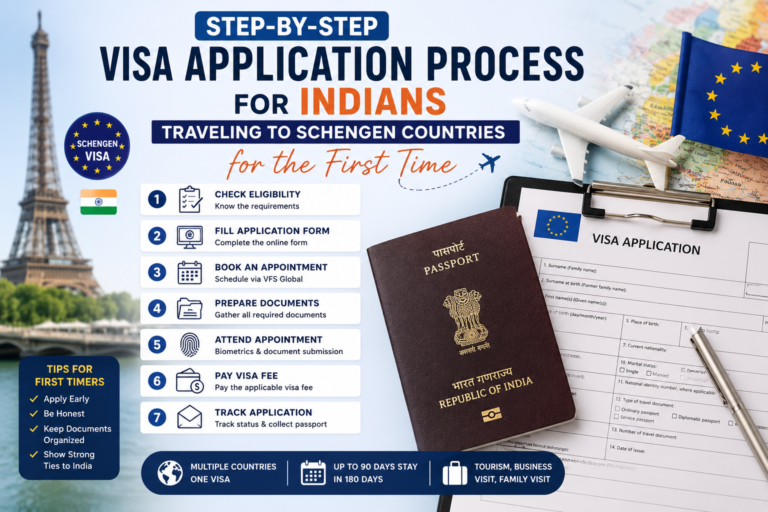
- Step-by-Step Visa Application Process for Indians Traveling to Schengen Countries for the First Time
- Schengen Cascade Visa for Indians: Who Qualifies and How to Apply
- Passport Validity Rules: The Six-Month Rule Explained
- Visa-Free Countries for Indians in 2026: What Changed and the Current List
Browse all of our Flights, Visas and Airports guides.

Varinder Kaur is from Amritsar, India. She has traveled to well-known places across India, including Darjeeling, and to a few countries abroad, and shares travel experiences and practical tips for travelers through OpinionHook.