
EES at Schengen Borders in 2026: What Indian Travellers Should Expect
Quick answer: The Entry/Exit System (EES) is the EU’s digital border system. It replaced passport stamping for non-EU visitors on short stays and has been fully operational since 10 April 2026. For Indian travellers it mainly means a one-time biometric registration at the border, and it does not replace the Schengen visa.
What Is the EES?
According to the European Commission, the EES began operating on 12 October 2025 with a phased rollout and became fully operational on 10 April 2026. It records entries, exits and refusals of entry digitally, and it stores a traveller’s facial image, fingerprints and travel document details. At each crossing, your fingerprints and face are checked against what is stored.
The system applies to non-EU nationals making short stays. The EU’s foreign service page on the EES says some groups are exempt and points to the official EES website for the full list. It covers 29 European countries, which Outlook Traveller reports as 25 EU states (not Cyprus or Ireland) plus Norway, Iceland, Switzerland and Liechtenstein.
What Indian Travellers Should Expect
- First trip: your passport details, fingerprints and facial image are registered at the border. On later trips your biometrics are checked against that record.
- Fingerprints: Outlook Traveller reports that Indians generally give fingerprints when applying for the visa, so they may not be taken again at the border. Entry and exit are still recorded. Check the official EES site to see how it applies to you.
- Refusing biometrics: the same report says refusing to provide required biometric data can lead to denied entry.
- Children: the same report says children under 12 do not have to give fingerprints.
- Possible queues: it also notes that some busy crossings have reported delays and technical problems since the full rollout, so allow extra time.
Does the EES Replace the Schengen Visa?
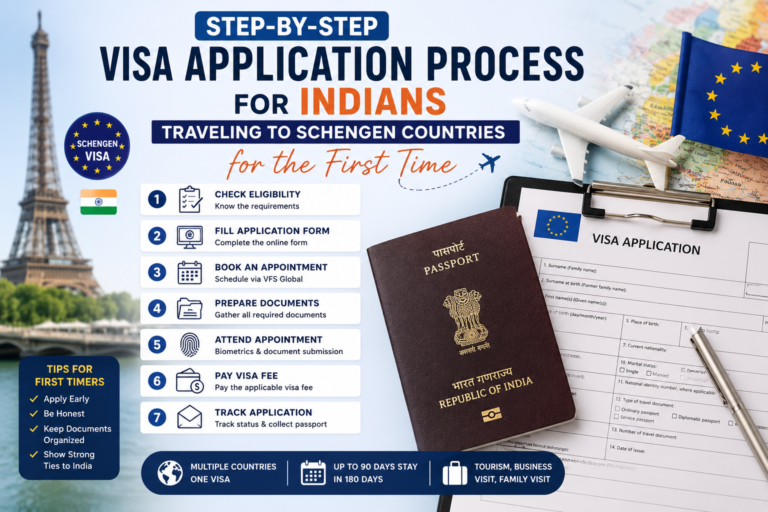
No. The EES is a border registration system, not a permission to travel. Indians who need a visa for a short Schengen stay still have to apply for one first. Our guide to the Schengen visa process for first-time Indian applicants covers that step.
Do Indians Need ETIAS?
No. ETIAS is a separate online travel authorisation for travellers who can enter the Schengen area without a visa. Outlook Traveller reports that Indians who need a Schengen visa do not need an ETIAS authorisation.
The launch date is not settled. A law-firm update from Fragomen (March 2026) says the EU Council expected ETIAS in the last quarter of 2026, with a transition period after launch. Other reports suggest it could slip further, so treat any date you see as unconfirmed.
The 90/180-Day Rule and the EES
Short stays in the Schengen area are generally limited to 90 days in any 180-day period. Because the EES records every entry and exit, Outlook Traveller notes that it will flag travellers who go over the limit. Stay inside your visa dates and keep your passport valid, as explained in our passport validity guide.
Practical Tips for Your Next Trip
- Arrive at the airport early for your flight to Europe and allow extra time at passport control.
- Carry your passport, visa, return ticket and accommodation proof. Border officers can still ask for them.
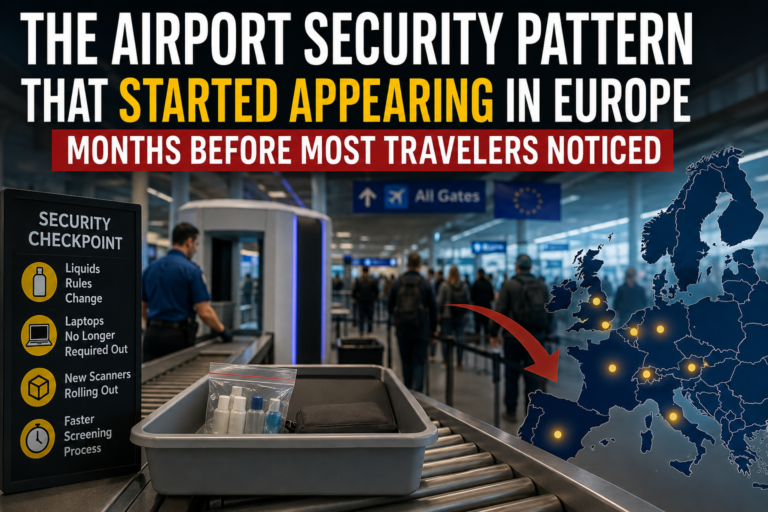
- Know the liquids and screening rules at European airports. See our guide to European airport security rules.
- Check the official EU sites for the latest rules just before you fly.
- For other countries you can visit more easily, see our guide to visa-free countries for Indians in 2026.
Frequently Asked Questions
Is the EES in force now?
Yes. The European Commission says it became fully operational on 10 April 2026.
Do I need to register before I travel?
Registration happens at the border. Fragomen reports an optional “Travel to Europe” app that lets some non-EU travellers pre-register within 72 hours of arrival, but only at a few crossings so far. Check the official site for current availability.
Is there a fee for the EES?
We did not find a fee mentioned in the official pages we could read. Check the official EES website before you travel.
How We Researched This Guide
This guide uses the European Commission’s news page and the EU foreign service page on the EES, plus reports from Fragomen and Outlook Traveller. The official EU “Travel to Europe” FAQ would not load for us, so a few details, such as exemptions and data retention, are not covered here. Please check the official EES website for those. The guide was drafted with AI assistance and reviewed before publishing, as described in our Editorial Policy.
Sources
- European Commission: The Entry/Exit System will become fully operational on 10 April 2026
- EEAS: Travel in Europe with the European Entry/Exit System
- Fragomen: ETIAS and EES launch status
- Outlook Traveller: What travellers need to know about EES and ETIAS
Last checked: 10 October 2026. This article is general information, not legal or immigration advice.
If you travel to Europe often, see how the Schengen cascade for Indians can give you a longer multiple-entry visa.
Related Guides
- Best Countries to Visit in Europe for First-Time Travelers (2026 Complete Guide)
- How to Plan a Europe Trip on a Budget: Complete Step-by-Step Guide
- Itinerary vs Spontaneity: How Much Should You Plan a Trip?
- How Many Days Do You Actually Need in Albania? An Honest Answer
Browse all of our Flights, Visas and Airports guides.

Varinder Kaur is from Amritsar, India. She has traveled to well-known places across India, including Darjeeling, and to a few countries abroad, and shares travel experiences and practical tips for travelers through OpinionHook.




2 Comments
Comments are closed.