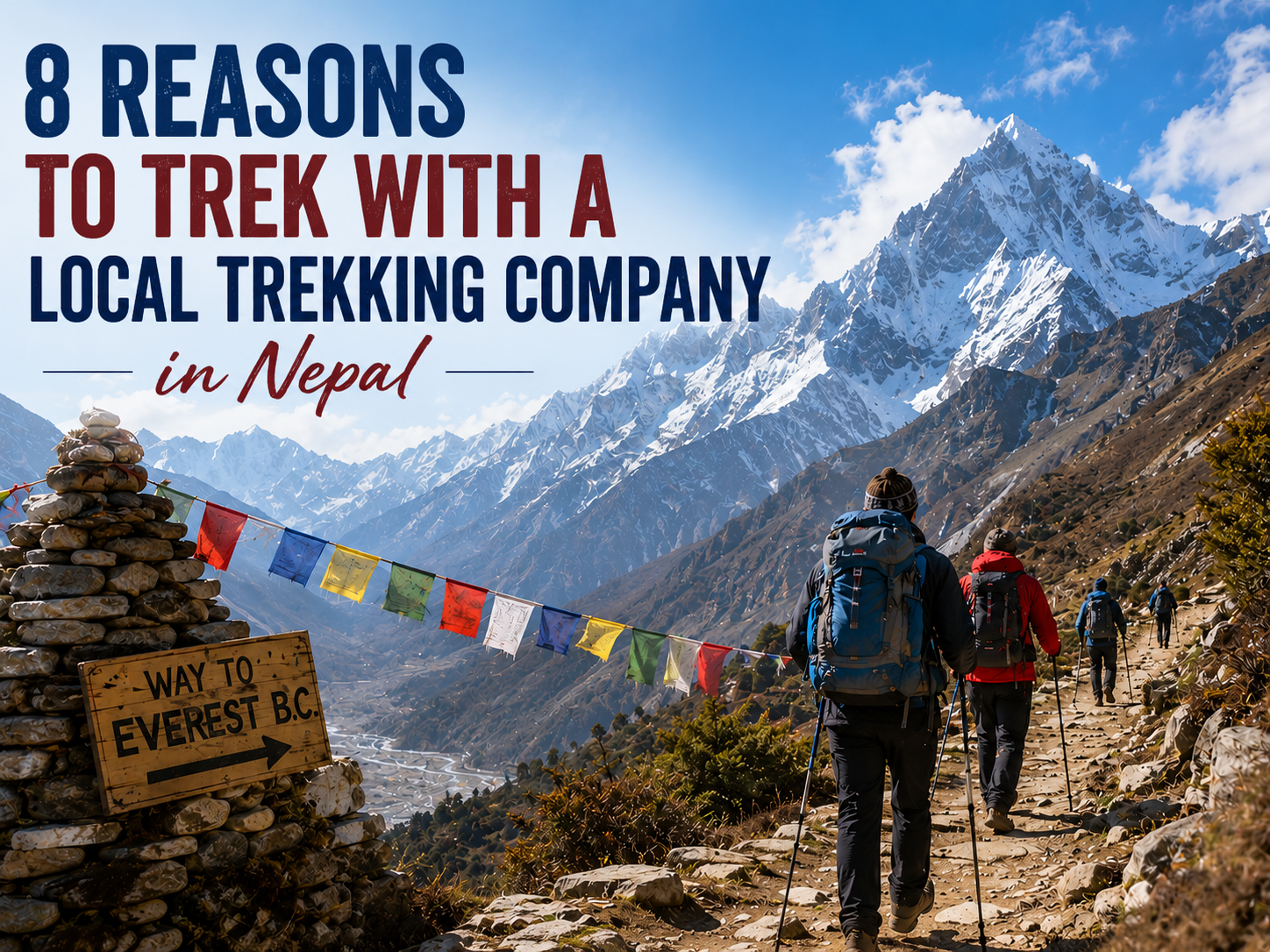
8 Reasons to Trek with a Local Trekking Company in Nepal
Planning a trek in Nepal is exciting, but choosing the right trekking company can shape your entire experience. While many international travel agencies sell trekking packages, local trekking companies are the ones that organize and manage your trip on the ground. They know the trails, weather, local culture, permits, transportation, and safety requirements better than anyone else.
Working with a local trekking company also means your money supports Nepal’s economy, creates jobs for local guides and porters, and helps mountain communities that depend on tourism. At the same time, you often receive better value, more personal service, and quicker support before and during your trek.
This guide explains 08 practical reasons why choosing a local trekking company in Nepal makes a real difference. Whether you are planning your first Himalayan adventure or returning for another trek, these insights will help you make an informed decision and enjoy a safer, smoother, and more meaningful journey.
Quick Overview – Why Trek with a Local Trekking Company in Nepal?
| Reason | Why It Matters | Benefit for You |
| Local knowledge | Knows trails, villages, weather, and mountain conditions | Better planning and fewer surprises |
| Better safety | Experienced guides handle emergencies and changing conditions | More confidence throughout the trek |
| Better value | Fewer middlemen mean more competitive prices | Higher value for your budget |
| Easier permit handling | Local companies arrange the required permits | Saves time and reduces paperwork |
| Personalized itineraries | Trips can match your fitness and interests | More enjoyable trekking experience |
| Supports local communities | Money stays within Nepal | Positive impact on local families |
| Cultural understanding | Learn from people who live in the region | Richer travel experience |
| Reliable logistics | Transport, accommodation, and meals are coordinated locally | Less stress during your trip |
| Faster on-ground support | Immediate assistance when plans change | Quick solutions to unexpected issues |
| Responsible trekking | Promotes ethical tourism and environmental care | Helps preserve Nepal for future trekkers |
Why Your Choice of Trekking Company Matters
Many travelers spend weeks comparing trekking routes, reading gear lists, and checking the best season to visit Nepal. Surprisingly, they often spend very little time choosing the company that will organize their entire journey.
This decision affects almost every part of your trek. A good trekking company plans your permits, transportation, accommodation, meals, guide, porter, emergency support, and daily itinerary. They also help you adjust your schedule if the weather changes or unexpected situations arise.
Nepal’s trekking routes pass through remote mountain regions where services can be limited. Unlike city tours, mountain treks require careful planning and local coordination. A company that works in Nepal every day understands these challenges because they deal with them regularly.
For example, a sudden snowfall can delay a mountain pass crossing, or a domestic flight to Lukla may be postponed because of weather. A local team can quickly arrange alternative transportation, modify the itinerary, or organize an extra overnight stay. An overseas travel agent often depends on local partners to solve the same problem, which can take longer.
Choosing a trusted local trekking company is not simply about booking a tour. It is about selecting experienced professionals who can help make your journey safer, more comfortable, and more enjoyable from the moment you arrive until your trek ends.
1. Local Experts Know Nepal Better Than Anyone Else
One of the biggest advantages of trekking with a local company is its deep understanding of Nepal. This knowledge goes far beyond reading guidebooks or following online maps. Local guides spend years working on mountain trails and continuously learn from real experiences.
They know which villages offer the best overnight stops, how trail conditions change after heavy rain, where to find safe drinking water, and when weather patterns usually shift. They also understand local customs, festivals, and traditions that visitors may otherwise miss.
Imagine you are trekking to Everest Base Camp during the busy autumn season. An experienced local guide may recommend starting your day earlier to avoid crowded sections of the trail and reach your destination before afternoon clouds reduce visibility. Small decisions like these can make your trek more enjoyable.
Their knowledge also helps you experience Nepal beyond its famous viewpoints. Instead of simply walking from one teahouse to another, your guide can explain the history of Buddhist monasteries, introduce local foods, describe mountain wildlife, and share stories about Sherpa, Gurung, Tamang, and other Himalayan communities.
This local understanding cannot be replaced by online research. It comes from living and working in the mountains year after year, giving trekkers practical advice that improves both safety and the overall travel experience.
2. You Receive Better Support Before and During Your Trek
Planning a Himalayan trek often brings many questions. Which season is best? How difficult is the trail? What equipment should you pack? How many days do you need to acclimatize? These questions are easier to answer when you communicate directly with the people who organize the trek.
A local trekking company can provide accurate information because they regularly receive updates from guides, porters, and local communities. Instead of relying on general advice, they can explain current trail conditions, weather patterns, transportation updates, and permit requirements.
Support continues after you arrive in Nepal. Airport pickup, hotel arrangements, permit collection, transportation, and final trek briefings are usually handled by the same local team. If your international flight arrives late or your trekking schedule changes, they can adjust plans quickly.
For example, flights to Lukla sometimes experience delays because mountain weather changes rapidly. A local operations team can immediately arrange revised transportation or update your itinerary to reduce disruption. Having experienced people nearby gives many trekkers peace of mind, especially if it is their first visit to Nepal.
Good communication before and during the trek helps you focus less on logistics and more on enjoying the mountains.
3. Local Companies Offer Better Value Without Reducing Quality
Many travelers assume booking through an international travel company automatically provides better service. In reality, many overseas agencies partner with local operators in Nepal to run the trek. This often adds another business between you and the people organizing your journey.
Booking directly with a reputable local trekking company removes unnecessary middlemen. That does not mean choosing the cheapest option. Instead, it often means paying for the services you actually receive rather than for extra administrative costs.
Local companies usually include experienced licensed guides, porters, permits, transportation, accommodation, and meals in well-designed trekking packages. Since they work directly with hotels, teahouses, transport providers, and local communities, they can coordinate services more efficiently.
For example, if you are considering the Everest Base Camp Trek, Annapurna Base Camp Trek, or Langtang Valley Trek, booking directly with an experienced local operator allows you to ask detailed questions about route options, acclimatization days, group sizes, and equipment. You receive answers from the team managing the trip instead of a sales representative located in another country.
Choosing value over the lowest price is important. Reliable guides, proper safety planning, quality equipment, fair porter treatment, and responsive customer service all contribute to a better trekking experience. A trustworthy local company focuses on delivering these essentials while offering transparent pricing.
4. Local Trekking Companies Put Your Safety First
Safety should always come before reaching a destination. The mountains in Nepal are beautiful, but they can also be unpredictable. Weather can change within hours, trails may become difficult after heavy rain or snowfall, and trekking at high altitude requires careful planning. A local trekking company understands these challenges because its team works in these conditions throughout the year.
Experienced local guides are trained to recognize the early signs of altitude sickness, such as headaches, nausea, dizziness, and unusual tiredness. Instead of encouraging trekkers to keep climbing, they know when to slow the pace, schedule an extra acclimatization day, or descend to a lower altitude if needed. This practical decision-making can prevent a minor problem from becoming a serious medical emergency.
Local companies also stay informed about current trail conditions. Before each trekking season, they receive updates from guides, teahouse owners, local authorities, and mountain communities. If a section of the trail has been damaged by landslides or poor weather, they can adjust the itinerary and recommend a safer alternative.
For example, during the Manaslu Circuit Trek, the weather around the Larkya La Pass can change quickly. A local guide understands the safest time to cross the pass based on current mountain conditions rather than following a fixed schedule. Waiting a few hours or changing the day’s plan may seem like a small decision, but it can greatly improve safety.
A reputable trekking company also prepares for emergencies. Guides carry first-aid supplies, monitor trekkers’ health throughout the journey, and know how to coordinate emergency assistance if required. While no one expects problems during a trek, having an experienced local team nearby gives travelers confidence that they are in capable hands.
5. They Handle Permits, Transportation, and Logistics from Start to Finish
Planning a trek in Nepal involves much more than choosing a trail. Most trekking regions require permits, transportation must be arranged carefully, and accommodations need to be booked in advance, especially during the busy spring and autumn seasons. Managing all these details on your own can quickly become stressful if you are unfamiliar with Nepal’s trekking system.
A local trekking company takes care of these responsibilities before your trek even begins. They arrange the necessary permits, organize airport transfers, book hotels if needed, reserve transportation to and from the trailhead, and coordinate teahouse accommodations along the route. Instead of worrying about paperwork or travel schedules, you can focus on preparing for the adventure itself.
Transportation in Nepal sometimes changes because of weather or road conditions. Flights to mountain airports may be delayed, roads can close temporarily, and unexpected situations occasionally require last-minute adjustments. Since local operators work directly with transportation providers, they can respond much faster than companies located overseas.
Consider the Everest Base Camp Trek as an example. Many trekkers begin their journey with a flight to Lukla. If weather delays flights, a local operations team can immediately explain your options, help rearrange the schedule, and coordinate accommodation if needed. Without local support, travelers often spend valuable time trying to contact different service providers on their own.
The same applies to treks such as the Annapurna Circuit Trek or Langtang Valley Trek, where transportation schedules may vary depending on road conditions. Having one experienced team manage every part of the journey reduces stress and helps your trip run more smoothly.
6. Your Trek Can Be Customized to Match Your Experience and Goals
Not every traveler wants the same trekking experience. Some people enjoy long hiking days and challenging mountain passes, while others prefer a slower pace with extra time to explore villages, monasteries, or scenic viewpoints. A local trekking company can adjust the itinerary to match your interests instead of offering only one standard package.
Customization begins before your trip. During the planning stage, experienced local operators ask about your fitness level, previous trekking experience, available vacation time, and personal goals. Based on your answers, they can recommend a route and daily schedule that suits your needs.
For first-time trekkers, adding extra acclimatization days can make the journey more comfortable and reduce the risk of altitude-related problems. Families may appreciate shorter walking days, while experienced hikers might prefer combining side trips with the main trekking route.
Imagine two friends planning the Annapurna Base Camp Trek. One enjoys photography, while the other wants to spend more time learning about local culture. A local trekking company can recommend overnight stops that provide beautiful sunrise views and opportunities to visit traditional Gurung villages. These small adjustments create a much richer experience than simply following a fixed itinerary.
Customization is also valuable when unexpected changes occur during the trek. If weather affects your schedule or you need an additional rest day, local operators can make practical adjustments while keeping your safety and overall travel plans in mind.
A personalized itinerary often leads to a more enjoyable trek because it is built around your abilities rather than forcing you to match a pre-planned schedule.
7. Your Booking Directly Supports Nepal’s Economy and Mountain Communities
Choosing a local trekking company benefits more than just your own travel experience. It also helps the people who live and work in Nepal’s mountain regions.
Tourism is an important source of income for many Himalayan communities. Guides, porters, teahouse owners, drivers, cooks, and small business owners all depend on trekking seasons to support their families. When you book directly with a local operator, a larger share of your travel budget stays within Nepal instead of being distributed among international middlemen.
This support creates a positive chain of benefits. Local companies hire licensed guides, employ experienced porters, purchase supplies from local businesses, and work with family-run teahouses along trekking routes. As tourism grows responsibly, mountain communities gain more opportunities for education, healthcare, and infrastructure improvements.
A simple example can help explain this. Imagine two travelers booking the same trek. One books through a foreign agency that outsources the trip to Nepal, while the other books directly with a trusted Nepal-based company. Both may walk the same trail, but the second traveler’s payment reaches local workers more directly, helping sustain jobs within the communities they visit.
Responsible local operators also encourage ethical trekking practices. This includes fair wages for guides and porters, proper trekking equipment, respect for local traditions, and environmentally responsible travel. Supporting businesses that value these principles contributes to a healthier trekking industry for everyone.
For travelers who want their journey to have a positive impact beyond sightseeing, booking with a local trekking company is one practical way to support the people who make Himalayan adventures possible.
8. Local Guides Help You Experience Nepal Beyond the Mountains
The Himalayas are the main reason many people visit Nepal, but the country’s culture is just as memorable as its landscapes. Trekking with a local company gives you the chance to understand the people, traditions, and history behind the places you visit instead of simply walking from one viewpoint to the next.
Local guides often come from mountain regions or have spent many years working on the trails. They can explain the meaning behind colorful prayer flags, Buddhist monasteries, mani walls, chortens, spinning prayer wheels, and local festivals that you pass along the route. These are details that many travelers notice but may not fully understand on their own.
Food is another part of the experience. During your trek, your guide may introduce you to traditional dishes such as dal bhat, Tibetan bread, thukpa, or yak cheese. They can explain why these foods are popular in the mountains and how local families prepare them.
For example, while trekking through the Langtang Valley Trek, your guide may introduce you to members of the Tamang community. Instead of only taking photos of traditional stone houses, you can learn about local customs, religious practices, and how life has changed since the 2015 earthquake. These conversations often become some of the most memorable parts of the journey.
The same is true on the Everest Base Camp Trek, where learning about Sherpa culture adds a completely new layer to the adventure. Visiting monasteries such as Tengboche is much more meaningful when someone explains their history and importance to the local community.
These cultural experiences cannot be scheduled like a sightseeing activity. They happen naturally when you travel with people who know the region and enjoy sharing their home with visitors.
How to Choose the Right Local Trekking Company in Nepal
Not every trekking company offers the same level of service. Before making your decision, take time to compare more than just the price.
A reliable company should clearly explain what is included in the package, such as permits, accommodation, meals, transportation, guide services, and porter support. Hidden costs can create unnecessary surprises during your trip, so transparency is important.
Look for companies that employ experienced, government-licensed guides who know about altitude safety and emergency procedures. Reading recent traveler reviews can also provide useful insights into communication, organization, and customer service.
You should also ask practical questions before booking, including:
- How many people are usually in each trekking group?
- What happens if the weather changes the itinerary?
- Are extra acclimatization days available if needed?
- What emergency procedures are in place?
- What expenses are not included in the package?
Another good sign is responsive communication. A professional company answers questions clearly and honestly instead of simply trying to make a sale. Good communication before the trek usually reflects the level of support you can expect during the journey.
For travelers looking for well-organized adventures, Nepal Hiking Team offers guided treks across Nepal, including the Everest Base Camp Trek, Annapurna Base Camp Trek, Langtang Valley Trek, Manaslu Circuit Trek, and Annapurna Circuit Trek. Every itinerary is planned with safety, local knowledge, and personalized service in mind.
Common Mistakes Travelers Make When Booking a Trek
Many first-time trekkers focus only on finding the lowest price. While staying within your budget is important, the cheapest option is not always the best value.
One common mistake is booking without checking what is included. Some low-cost packages exclude important services such as permits, airport transfers, porter support, or meals, making the final cost much higher than expected.
Another mistake is choosing a company based only on attractive photos or marketing claims. Instead, spend time reading verified traveler reviews, checking the company’s experience, and asking detailed questions before confirming your booking.
Some travelers also underestimate the importance of altitude acclimatization. Choosing an itinerary that climbs too quickly increases the risk of altitude sickness. A reputable local company prioritizes your health over reaching the destination as fast as possible.
Waiting until the last minute to book during Nepal’s busiest trekking seasons is another common issue. Popular routes such as the Everest Base Camp Trek and Annapurna Base Camp Trek attract thousands of trekkers every spring and autumn. Booking early gives you more flexibility and better accommodation choices.
Finally, avoid assuming every trek is suitable for every traveler. The Langtang Valley Trek is generally more accessible for many first-time trekkers, while the Manaslu Circuit Trek often requires more preparation because of its remote location and challenging terrain. Asking for professional advice before selecting a route can help you choose the trek that best matches your experience and fitness level.
Why Many Travelers Return to the Same Local Trekking Company
One interesting pattern in Nepal’s trekking industry is that many visitors return to the same local company for their second or third adventure. This happens because trust grows through experience.
A traveler who completes the Everest Base Camp Trek may later return for the Annapurna Circuit Trek or Manaslu Circuit Trek with the same company because they already know how the team communicates, handles logistics, and responds to unexpected situations.
Building this long-term relationship also allows the trekking company to make better recommendations based on your previous experience. They understand your fitness level, travel style, and interests, making it easier to suggest routes that suit your next adventure.
This level of personalized service is difficult to achieve when booking through large international booking platforms that treat every reservation as a one-time transaction.
Frequently Asked Questions About Trekking with a Local Company in Nepal
Is it better to book a trek directly with a local trekking company in Nepal?
For most travelers, the answer is yes. Booking directly with a reputable local trekking company gives you direct communication with the team organizing your trip. You can ask detailed questions about the itinerary, accommodations, permits, guides, and safety measures before making your decision.
Another advantage is that you often receive better value because there are fewer middlemen involved. More importantly, your booking supports local guides, porters, family-run teahouses, drivers, and mountain communities that depend on trekking tourism.
Choose a company with a strong reputation, transparent pricing, experienced licensed guides, and positive reviews from recent travelers.
Are local trekking companies safe?
Yes, provided you choose a registered and experienced company.
Professional local trekking companies organize thousands of trekking trips every year. Their guides understand mountain safety, altitude sickness prevention, weather conditions, and emergency procedures because they work on these trails regularly.
Before booking, check that the company clearly explains its safety practices, employs experienced guides, and communicates openly about your trek.
Remember that no company can remove every risk associated with mountain travel. Still, an experienced local team can help reduce many of those risks through proper planning and responsible decision-making.
Do local trekking companies arrange trekking permits?
Yes.
Most local trekking companies arrange all required trekking permits before your trip begins. The exact permits depend on your trekking destination.
For example:
- The Everest region requires permits specific to that area.
- The Annapurna region has its own permit requirements.
- Restricted areas, such as the Manaslu region, require additional permits and must be trekked with an authorized trekking company.
Having your trekking company manage these permits saves time and helps ensure everything is prepared correctly before you start hiking.
Can beginners trek in Nepal with a local guide?
Absolutely.
Many trekking routes are suitable for first-time trekkers who have a reasonable level of fitness. An experienced local guide helps beginners by setting a comfortable walking pace, explaining altitude safety, organizing daily logistics, and providing encouragement throughout the journey.
Routes such as the Langtang Valley Trek and many itineraries for the Annapurna Base Camp Trek are popular choices for travelers with limited trekking experience.
Your trekking company can also recommend an itinerary based on your fitness level, available vacation time, and previous hiking experience.
How far in advance should I book my Nepal trek?
It is generally recommended to book several months before your planned travel dates, especially if you want to trek during Nepal’s busiest seasons.
Spring (March to May) and autumn (September to November) are the most popular trekking months. During these periods, flights, accommodations, and experienced guides are in high demand.
Booking early gives you more flexibility, better accommodation choices, and enough time to prepare your fitness, travel documents, insurance, and trekking equipment.
Key Takeaways
If you only remember a few things from this guide, make them these:
- A local trekking company understands Nepal’s mountains better than anyone else.
- Experienced local guides improve both safety and your overall trekking experience.
- Booking directly often provides better value because there are fewer middlemen.
- Local operators manage permits, transportation, accommodation, and day-to-day logistics.
- Flexible itineraries help match your fitness level and travel goals.
- Your booking supports guides, porters, teahouses, and mountain communities across Nepal.
- Local knowledge helps you experience Nepal’s culture, history, and traditions alongside its beautiful landscapes.
- Professional local teams can respond quickly when weather or travel plans change.
- Responsible trekking companies help protect Nepal’s environment and support ethical tourism.
- Choosing the right trekking company is one of the most important decisions you will make before visiting Nepal.
Why Nepal Hiking Team Is a Trusted Choice for Your Himalayan Adventure
A successful trek is about much more than reaching a famous viewpoint. It is about feeling prepared, supported, and confident throughout the entire journey.
At Nepal Hiking Team, every trek is organized by professionals who live and work in Nepal. From your first inquiry until you complete your adventure, the team focuses on clear communication, careful planning, experienced guides, and personalized service.
Whether you want to stand beneath the world’s highest mountain on the Everest Base Camp Trek, walk through rhododendron forests on the Annapurna Base Camp Trek, explore the peaceful landscapes of the Langtang Valley Trek, cross the dramatic Larkya La Pass on the Manaslu Circuit Trek, or complete the legendary Annapurna Circuit Trek, you’ll have local experts supporting you every step of the way.
If you are unsure which trek is right for you, the team can help you compare routes based on your experience, fitness level, travel season, and available time.
Conclusion
Choosing a trekking company is one of the most important parts of planning your trip to Nepal. While many companies sell trekking packages, local trekking companies are the ones who actually make your adventure happen on the ground.
Their knowledge of the mountains, understanding of local culture, attention to safety, and ability to solve unexpected problems create a smoother and more rewarding experience from beginning to end. They also help ensure that your travel supports the people and communities that make trekking in Nepal possible.
If your goal is to enjoy the Himalayas with experienced local guidance, transparent service, and a team that understands Nepal inside and out, working directly with a trusted local trekking company is a smart choice.
Whether this is your first trek or your fifth, the right local team can turn a good trip into an unforgettable one.
Ready to Plan Your Trek?
If you’re thinking about trekking in Nepal, Nepal Hiking Team is here to help you choose the right route and prepare with confidence.
Explore some of Nepal’s most popular trekking adventures:
- Everest Base Camp Trek
- Annapurna Base Camp Trek
- Langtang Valley Trek
- Manaslu Circuit Trek
- Annapurna Circuit Trek
You can get in touch with the team to discuss your travel plans, ask questions, or customize an itinerary that fits your schedule and experience.
Website: https://www.nepalhikingteam.com
Contact: https://www.nepalhikingteam.com/contact-us
Book Your Trek: https://www.nepalhikingteam.com/trip-booking
WhatsApp / Viber: +977 9851058678

OpinionHook Admin represents the official publishing team behind OpinionHook, an independent travel publication founded in 2023. Our mission is to help travelers plan better journeys through destination guides, travel itineraries, budgeting advice, transportation resources, seasonal travel recommendations, accommodation tips, and practical travel planning content. We publish well-organized, reader-focused articles designed to make travel information easier to understand, easier to trust, and easier to use.