Summary
Have you ever looked at someone and wondered why they always seem stylish, even in a simple white T-shirt and jeans? It is rarely because they own expensive clothes. More often, they understand a few timeless styling principles that make outfits look polished without trying too hard.
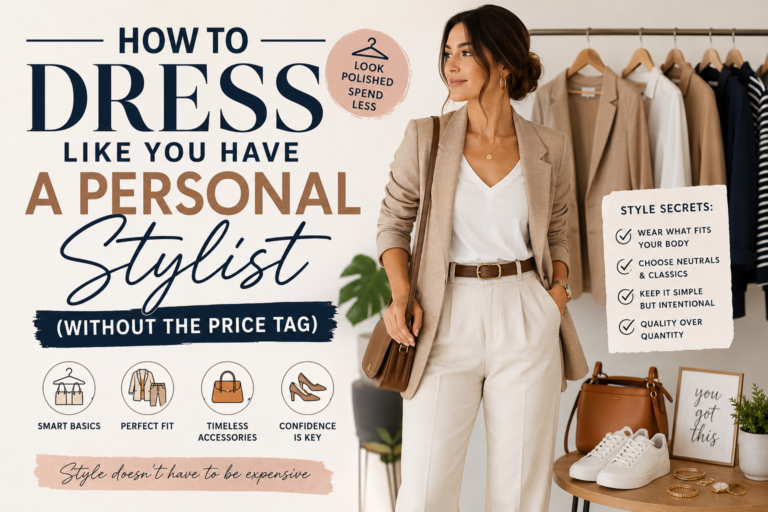
The effortless style secret is not about following every fashion trend or buying luxury brands. It is about choosing clothes that fit well, building a wardrobe around versatile pieces, paying attention to proportions, and adding thoughtful details. Fashion editors, stylists, and designers have relied on these ideas for decades because they work across different ages, body types, and budgets.
In this guide, you’ll learn the fashion insider secrets for effortless style, practical styling techniques you can use today, and common mistakes that stop people from looking naturally put together.
Introduction
Most people think looking stylish requires a large wardrobe or an unlimited shopping budget. Social media often reinforces that idea by showing endless outfit hauls and designer collections.
The reality is very different.
Professional stylists often create dozens of fresh outfits from a surprisingly small wardrobe. Fashion magazine editors repeatedly wear the same wardrobe staples. Celebrity stylists frequently build looks around basic pieces instead of expensive statement clothing.
The secret to looking effortlessly stylish is not owning more clothes. It is knowing how to make every piece work together.
Once you understand a few styling principles, getting dressed becomes easier, shopping becomes smarter, and your wardrobe starts working for you instead of against you.
Whether you’re updating your everyday style, preparing for work, or simply wanting more confidence, these effortless fashion tips can completely change how you dress.
Key Takeaways
- Effortless style comes from smart styling, not expensive clothing.
- Fit matters more than brand names.
- Neutral colors make outfits easier to mix and match.
- Quality basics create more outfit options than trendy pieces.
- Accessories should complement an outfit instead of competing for attention.
- Consistency creates a recognizable personal style.
- Fashion insiders prioritize wardrobe planning over impulse shopping.
- Confidence comes from wearing clothes that suit your lifestyle.
What Fashion Insiders Actually Focus On
| Everyday Shopper | Fashion Insider |
|---|---|
| Buys trends | Buys timeless essentials |
| Shops without a plan | Builds a wardrobe strategy |
| Chooses brands first | Chooses fit first |
| Mixes random colors | Uses coordinated color palettes |
| Owns many clothes | Owns versatile clothes |
| Follows every trend | Selects trends carefully |
| Prioritizes quantity | Prioritizes quality |
| Replaces wardrobe often | Invests in long-lasting staples |
The biggest difference is mindset. Fashion experts treat clothing as a system where every item works with multiple others.
What Is the Effortless Style Secret?
The effortless style secret is creating outfits that appear natural because every piece fits, complements the others, and matches your personal style.
This idea has guided professional stylists for years. Rather than building outfits around one eye-catching item, they begin with strong basics and add interest through layering, texture, or accessories.
Effortless style does not mean careless dressing.
In fact, the opposite is true.
Most “effortless” outfits involve thoughtful planning. The planning simply becomes invisible once the wardrobe is built correctly.
Someone wearing a crisp white shirt, tailored trousers, leather loafers, and a simple watch often appears more polished than someone wearing multiple trendy items together.
That is why fashion insider style tips emphasize simplicity over complexity.
Why Expensive Clothes Are Not the Answer
Luxury fashion can offer excellent craftsmanship, but price alone does not create style.
Many experienced stylists mix affordable brands with premium investment pieces. The goal is balance rather than labels.
Research from consumer organizations consistently shows that construction quality, fabric, durability, and fit influence how clothing looks and lasts more than the logo on the tag.
Consider these examples:
- A perfectly fitted blazer from an affordable retailer often looks better than an oversized designer blazer.
- Clean white sneakers paired with tailored pants create a modern look regardless of price.
- Well-maintained clothing always appears more expensive than worn-out luxury items.
Fashion experts understand that presentation matters more than price.
The First Secret – Fit Changes Everything
If there is one lesson every stylist agrees on, it is this:
Good fit beats expensive fashion.
Poorly fitting clothing can make even luxury outfits appear awkward.
Well-fitted clothing creates cleaner lines, improves proportions, and naturally makes people look more polished.
Signs Your Clothes Fit Properly
- Shoulders align naturally.
- Sleeves end near the wrist bone.
- Pants break neatly above shoes.
- Shirts allow comfortable movement.
- Waistlines sit correctly.
- Jackets button comfortably.
Tailoring is one of the most overlooked fashion investments.
Simple alterations like shortening sleeves, hemming pants, or adjusting a waistline often cost far less than buying new clothes while dramatically improving appearance.
Professional stylists frequently tailor off-the-rack clothing because perfect sizing rarely exists.
Build Around Timeless Basics Instead of Trends
Fashion trends change every season.
Wardrobe essentials remain useful for years.
That is why fashion insiders know about style that lasts beyond temporary trends.
Some timeless wardrobe staples include:
Tops
- White shirt
- Black T-shirt
- Neutral knit sweater
- Oxford shirt
Bottoms
- Dark denim
- Tailored trousers
- Straight-leg jeans
- Black pants
Outerwear
- Structured blazer
- Denim jacket
- Trench coat
- Wool coat
Shoes
- White sneakers
- Leather loafers
- Chelsea boots
- Minimal sandals
These pieces combine easily, making daily outfit decisions much simpler.
Practical Tip
Before buying something new, ask yourself one question:
Can I wear this with at least five items already in my closet?
If the answer is no, it may not be the best purchase.
This simple habit helps prevent impulse buying while creating a more versatile wardrobe.
Why Neutral Colors Make Styling Easier
Neutral colors provide flexibility.
Fashion insiders often rely on black, white, navy, gray, beige, olive, camel, and cream because these colors work together naturally.
A wardrobe built around neutrals makes mixing and matching much easier.
That does not mean avoiding color altogether.
Instead, use colorful pieces intentionally.
For example:
- Neutral outfit + red handbag
- Beige sweater + green scarf
- Navy blazer + burgundy shoes
- White shirt + colorful statement necklace
This approach keeps outfits balanced instead of overwhelming.
Learn the Rule of Visual Balance
One overlooked effortless style tip fashion experts use is balancing proportions.
Every outfit contains visual weight.
If one area feels oversized, another should create balance.
Examples include:
- Oversized sweater with slim jeans.
- Wide-leg trousers with a fitted top.
- Loose shirt tucked into structured pants.
- Relaxed blazer over fitted knitwear.
This creates harmony throughout the outfit.
When every item is oversized, outfits often lose shape.
When everything is extremely fitted, outfits can appear uncomfortable.
Stylists constantly adjust proportions until the outfit feels balanced.
Fabric Quality Matters More Than Most People Think
People often notice texture before they notice brand names.
Natural fabrics usually drape better, breathe more comfortably, and maintain their appearance longer.
Examples include:
- Cotton
- Linen
- Wool
- Cashmere
- Silk
Modern fabric blends can also perform well, especially when designed for durability or wrinkle resistance.
Regardless of fabric type, keeping clothing clean, wrinkle-free, and well-maintained significantly improves overall style.
Simple habits such as steaming garments, removing lint, and polishing leather shoes make an immediate difference.
A Quick Mid-Article Tip
If you’re working on building a wardrobe one step at a time, start by auditing what you already own. You may find that you already have several versatile pieces that can form the foundation of new outfits. Pair this with your capsule wardrobe guide or how to build a timeless wardrobe resource to identify any genuine gaps before shopping.
Why Accessories Should Support the Outfit Instead of Dominating It
Accessories complete an outfit, but they should rarely compete with it.
Stylists often follow a simple principle:
Start with the outfit first.
Then choose accessories that reinforce its style.
Examples include:
- A classic leather belt
- Minimal jewelry
- A structured handbag
- A quality watch
- Simple sunglasses
- Clean footwear
Rather than adding multiple bold accessories at once, professionals usually select one focal point.
For example, if you’re wearing statement earrings, keep your necklace subtle. If your shoes are colorful, choose a neutral bag. This creates visual balance and helps the overall outfit feel intentional instead of busy.
In fashion, restraint often has a bigger impact than excess.
Why Personal Style Is More Important Than Following Trends
The secret to looking effortlessly stylish is wearing clothes that reflect your personality and daily life, not copying every trend. Fashion insiders understand that trends are temporary, while personal style evolves over time.
Ask yourself these questions before buying something new:
- Does this fit my lifestyle?
- Will I still enjoy wearing it next year?
- Can I create multiple outfits with it?
- Does it feel like “me”?
If the answer is yes, it is probably a worthwhile addition to your wardrobe.
Someone who works in a corporate office will naturally build a different wardrobe than someone working remotely or attending college. Neither approach is better. The goal is choosing clothing that supports your routine while helping you feel confident.
How to Dress Effortlessly Every Day
The easiest way to dress effortlessly is to simplify your decision-making process. Fashion experts rely on repeatable systems instead of reinventing every outfit each morning.
Step 1 – Start with a Neutral Base
Choose a neutral top or bottom as the foundation. White, black, navy, gray, beige, and olive work with almost everything.
Example:
- White T-shirt
- Dark blue jeans
- White sneakers
This combination already looks clean and timeless.
Step 2 – Add One Layer
A structured layer instantly makes an outfit look more polished.
Examples include:
- Blazer
- Denim jacket
- Overshirt
- Cardigan
- Lightweight trench coat
Layers also add depth without making an outfit look complicated.
Step 3 – Keep Shoes Clean
Many stylists say people notice shoes sooner than expected.
Clean sneakers, polished loafers, or well-maintained boots elevate even the simplest outfit.
Dirty footwear can make an otherwise polished look appear unfinished.
Step 4 – Limit Statement Pieces
Instead of wearing bold shoes, a printed shirt, oversized jewelry, and a bright bag together, choose one statement item and let everything else support it.
This creates visual balance.
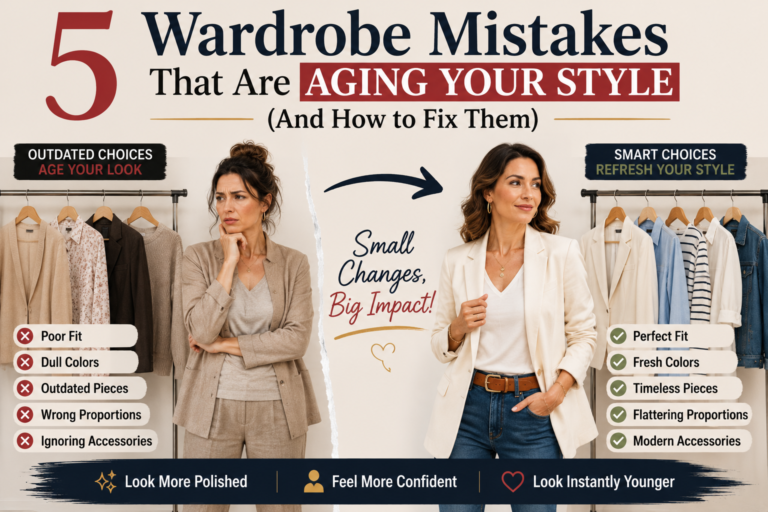
Common Mistakes That Make Outfits Look Less Stylish
Many people believe they need more clothes, but often the issue is styling rather than the wardrobe itself.
Here are some of the most common mistakes fashion professionals notice.
Buying Without a Plan
Impulse purchases often stay unworn because they do not coordinate with existing clothes.
Instead, create a shopping list based on genuine wardrobe gaps.
Ignoring Proper Fit
Oversized and slim silhouettes can both work well, but they should be intentional. Clothing that simply fits poorly rarely looks polished.
Following Every Trend
Trendy pieces are fun, but they should complement your wardrobe instead of replacing timeless essentials.
Wearing Worn-Out Basics
Basic clothing gets used frequently. Replace faded T-shirts, stretched knitwear, and worn sneakers when they no longer look fresh.
Forgetting Garment Care
Wrinkled clothing, missing buttons, loose threads, and pilling can make even premium garments appear neglected.
Simple maintenance goes a long way.
The Capsule Wardrobe Approach That Fashion Experts Love
One of the biggest fashion insider secrets for effortless style is owning fewer but better pieces.
A capsule wardrobe focuses on versatile clothing that mixes and matches easily.
Here is an example.
| Category | Suggested Pieces |
|---|---|
| Tops | White shirt, black T-shirt, striped shirt, knit sweater |
| Bottoms | Dark jeans, tailored trousers, black pants |
| Outerwear | Blazer, denim jacket, trench coat |
| Shoes | White sneakers, loafers, ankle boots |
| Accessories | Leather belt, watch, neutral handbag or backpack |
With these basics, you can create dozens of combinations without needing a large wardrobe.
Real-World Example – Why Simple Style Often Wins
Many well-known figures are recognized for repeating simple outfit formulas rather than constantly wearing new trends.
For example, Steve Jobs became known for his black mock turtleneck, jeans, and sneakers. His clothing choices reduced decision fatigue and created a consistent personal image.
Similarly, fashion editors attending international fashion weeks often combine timeless wardrobe staples with one or two trend-focused items instead of wearing head-to-toe runway looks. This approach allows them to look modern while keeping outfits practical and wearable.
These examples show that consistency and confidence often leave a stronger impression than constantly changing your style.
Does Effortless Style Mean Dressing Casually?
No. Effortless style is about looking intentional, not informal.
You can apply the same styling principles to different dress codes.
Casual
- Plain T-shirt
- Straight-leg jeans
- White sneakers
- Denim jacket
Business Casual
- Oxford shirt
- Tailored chinos
- Leather loafers
- Structured blazer
Formal
- Well-tailored suit
- Crisp dress shirt
- Quality leather shoes
- Minimal accessories
The clothing changes, but the principles remain the same: fit, balance, simplicity, and quality.
People Also Ask
What is the secret to looking effortlessly stylish?
The secret is wearing clothes that fit well, coordinate easily, and suit your lifestyle. Focus on timeless wardrobe staples, balanced proportions, quality fabrics, and simple accessories instead of chasing every fashion trend.
How do fashion insiders always look put together?
Fashion insiders rely on wardrobe planning rather than buying constantly. They invest in versatile basics, tailor their clothes when needed, maintain their garments, and repeat outfit formulas that consistently work.
Can you look stylish without expensive clothes?
Yes. Style depends more on fit, color coordination, garment care, and confidence than price. Many affordable brands offer quality basics that look polished when styled thoughtfully.
How can I improve my style without buying a new wardrobe?
Start by organizing your closet, removing items you no longer wear, identifying versatile basics, and creating new outfit combinations from what you already own. You may need fewer new purchases than you think.
What colors make outfits look more expensive?
Neutral colors such as black, white, navy, gray, camel, cream, and olive often create a polished appearance because they are easy to coordinate and rarely go out of style.
How many clothes do I really need for an effortless wardrobe?
There is no fixed number. Most people benefit more from owning versatile, high-quality essentials that can be mixed into many outfits rather than having a large collection of rarely worn clothing.
Practical Checklist for Effortless Style
Before leaving home, take one minute to review this checklist:
- Are my clothes clean and wrinkle-free?
- Do my shoes look clean?
- Does everything fit properly?
- Am I wearing only one statement piece?
- Do my colors work well together?
- Are my accessories simple and balanced?
- Do I feel comfortable and confident?
If you answered “yes” to most of these questions, your outfit is likely well put together.
Final Thoughts
The biggest effortless style secret is surprisingly simple. Fashion insiders do not rely on endless shopping or expensive designer labels. They build wardrobes with purpose, choose clothes that fit well, care for what they own, and repeat combinations that consistently work.
Looking stylish is not about having more choices. It is about making better choices.
Start with timeless basics, improve the fit of your clothes, simplify your color palette, and pay attention to the small details that many people overlook. Over time, these habits become second nature, making getting dressed easier while helping you look polished every day.
Remember that confidence is the finishing touch. The best outfit is one that makes you feel comfortable, authentic, and ready for whatever your day brings.
What Should You Do Next?
Don’t try to transform your wardrobe overnight. Instead, take one practical step today:
- Remove clothes you no longer wear.
- Identify your wardrobe essentials.
- Create five new outfits using pieces you already own.
- Make a list of genuine wardrobe gaps before shopping.
- Invest gradually in quality basics instead of impulse purchases.
By following these proven principles, you’ll spend less time deciding what to wear, avoid unnecessary purchases, and build a wardrobe that feels stylish, practical, and uniquely yours.

Siddharth Kapoor is a fashion and lifestyle writer covering style trends, wardrobe choices, and everyday dressing for real people. He focuses on practical fashion — not runway looks — and writes for readers who want to look good without overthinking it. His articles on OpinionHook cut through the noise and tell you what actually works.