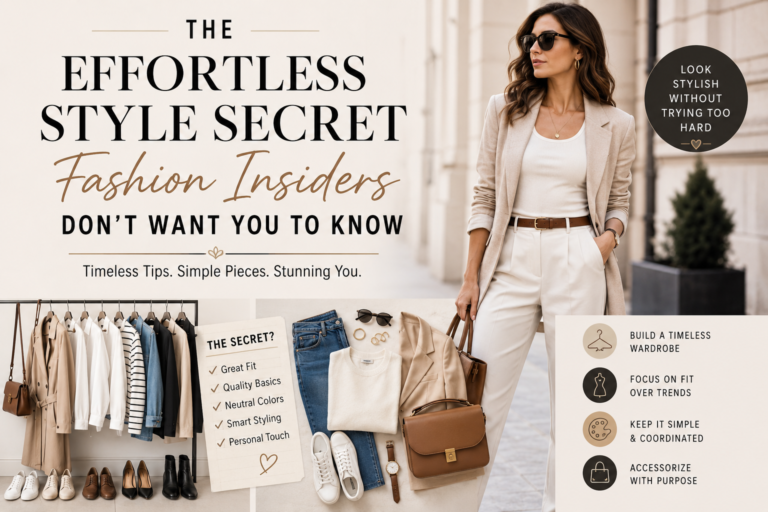
Ever look at someone and wonder how they always seem effortlessly put together? The truth is, many stylish people are not spending thousands on designer clothes or working with a personal stylist. They simply understand a few styling principles that make every outfit look intentional.
The good news is that you can do the same without stretching your budget. This guide explains how to dress like you have a personal stylist, even if you’re shopping sales, wearing older clothes, or building your wardrobe one piece at a time. You’ll learn affordable personal styling tips, practical outfit strategies, and proven habits that help you look polished every day.
Introduction
Have you ever bought new clothes only to feel like you still have nothing to wear?
You’re not alone. Many people think looking stylish depends on owning expensive brands or following every fashion trend. In reality, professional stylists often focus less on buying more and more on making better choices with what their clients already own.
Stylists work by understanding body proportions, color harmony, wardrobe planning, and outfit balance. These principles apply whether you’re wearing luxury brands or affordable basics.
If you’ve been searching for how to dress like you have a personal stylist, you’re really looking for something much simpler: outfits that look intentional, polished, and confident without spending a fortune.
This guide combines practical styling advice, real-world wardrobe strategies, and affordable fashion tips that anyone can use. Whether you’re a student, professional, parent, or someone rebuilding your wardrobe, these techniques will help you look more put together while staying within your budget.
Key Takeaways
- Great style comes from outfit planning, not expensive shopping.
- A small collection of versatile basics often works better than a closet full of random pieces.
- Proper fit matters more than designer labels.
- Color coordination instantly makes outfits look more expensive.
- Accessories should complete an outfit instead of overpowering it.
- Good grooming improves your appearance just as much as clothing.
- Shopping intentionally saves money and reduces wardrobe clutter.
- Confidence comes from wearing clothes that fit your lifestyle.
What Does It Mean to Dress Like You Have a Personal Stylist?
Dressing like you have a personal stylist means creating outfits that look balanced, intentional, and suited to your body, personality, and daily life. It is not about wearing luxury fashion.
Professional stylists rarely tell clients to replace everything they own. Instead, they evaluate:
- Fit
- Color combinations
- Wardrobe versatility
- Lifestyle needs
- Personal preferences
- Body proportions
For example, celebrity stylists often build “capsule wardrobes” for clients during travel because fewer versatile pieces create more outfit options than dozens of unrelated items.
The same principle works for everyday people.
If your wardrobe contains pieces that mix and match easily, you’ll naturally spend less time deciding what to wear while looking more polished.
Why Expensive Clothes Don’t Automatically Make You Stylish
One of the biggest fashion myths is that price equals style.
In reality, expensive clothing cannot fix poor outfit combinations, incorrect sizing, or neglected grooming.
Imagine these two people:
Person A wears a $2,000 designer blazer that is too large, wrinkled, and paired with mismatched shoes.
Person B wears a clean white shirt, well-fitted dark jeans, classic sneakers, and a simple watch purchased on sale.
Most people would likely perceive Person B as more stylish because the outfit looks intentional.
Fashion editors and stylists consistently emphasize fit and coordination over brand names. This explains why many affordable retailers produce clothing that can look premium when styled correctly.
If your goal is how to look expensive on a budget, focus on presentation before price.
Build a Wardrobe That Works Together Instead of Buying More Clothes
Stylists create wardrobes where almost everything works together. This reduces shopping and increases outfit choices.
Instead of filling your closet with impulse purchases, think about versatility.
The Foundation of a Smart Wardrobe
Start with neutral colors such as:
- White
- Black
- Navy
- Beige
- Gray
- Olive
These colors pair easily with brighter accent pieces.
Then add clothing that fits multiple situations.
For example:
| Wardrobe Essential | Why It Matters | Outfit Combinations |
|---|---|---|
| White shirt | Timeless and versatile | Office, casual, dinner |
| Dark jeans | Works year-round | Nearly everything |
| Black blazer | Adds structure instantly | Business or casual |
| Neutral sneakers | Comfortable and clean | Everyday outfits |
| Plain crew neck T-shirts | Layering essential | Every season |
| Tailored trousers | Professional and casual | Shirts, sweaters, jackets |
| Denim jacket | Adds texture | Dresses, jeans, chinos |
Owning versatile clothing creates dozens of outfit combinations without buying dozens of garments.
How to Dress Stylishly on a Tight Budget
Looking stylish on a budget starts with shopping intentionally instead of shopping frequently.
Many professional stylists encourage clients to pause before every purchase and ask one simple question:
“Can I wear this with at least three outfits I already own?”
If the answer is no, the item often stays in the store.
Shop Less, Choose Better
Instead of buying five trendy shirts each month, consider buying one high-quality basic that lasts several years.
Quality does not always mean luxury.
Many affordable brands now produce durable cotton shirts, structured trousers, and timeless outerwear that last much longer than ultra-fast fashion pieces.
Learn Basic Clothing Care
Even affordable clothing looks premium when properly maintained.
Simple habits include:
- Iron or steam clothes before wearing them.
- Remove lint regularly.
- Replace missing buttons.
- Polish leather shoes.
- Store garments properly.
- Wash according to care labels.
These small habits dramatically improve your overall appearance.
Soft Tip
If you’re trying to improve your wardrobe gradually, start by upgrading one category at a time instead of replacing everything at once. You’ll spend less money while making smarter decisions.
Why Fit Is More Important Than Fashion Trends
If there is one piece of personal stylist advice without hiring one, it is this: wear clothes that fit properly.
Fit affects every outfit more than color, brand, or trend.
Professional tailoring is often surprisingly affordable compared to purchasing entirely new clothing.
Small adjustments can include:
- Shortening pants
- Taking in shirt sides
- Adjusting jacket sleeves
- Hemming dresses
- Slimming oversized garments
A $40 jacket that fits perfectly usually looks better than a $400 jacket that does not.
Personal Stylist Tips on a Budget That Actually Work
Professional stylists often rely on repeatable styling formulas instead of constantly creating new outfits.
Here are some of the most practical techniques.
Wear One Statement Piece
Choose only one item that draws attention.
Examples include:
- Bright blazer
- Printed skirt
- Bold handbag
- Colorful shoes
- Patterned jacket
Everything else should support that piece rather than compete with it.
Balance Loose and Fitted Clothing
Outfits look balanced when one piece provides structure.
Examples include:
Oversized sweater + fitted jeans
Wide-leg trousers + fitted top
Loose shirt + tailored pants
This creates proportion instead of making the outfit appear oversized.
Stick to a Limited Color Palette
Stylists often work within three colors.
Example:
- Navy
- White
- Tan
Or
- Black
- Gray
- White
Simple color coordination creates a sophisticated appearance without requiring expensive clothing.
How to Style Outfits Without a Stylist
You don’t need a professional stylist to create polished outfits. Following a simple planning process is often enough.
Step 1 – Start With One Piece
Choose one clothing item first.
For example:
Dark blue jeans.
Step 2 – Add Balance
Pair them with a white shirt and neutral sneakers.
Step 3 – Layer Intentionally
Add a denim jacket, cardigan, or blazer depending on the occasion.
Step 4 – Keep Accessories Simple
Wear minimal jewelry, a belt if appropriate, and one practical bag.
Step 5 – Check the Mirror
Before leaving home, remove one unnecessary item if the outfit feels too busy.
Many stylists follow this editing approach because simplicity usually looks more polished than excess.
Accessories Can Make Affordable Clothes Look Premium
Accessories should support your outfit, not overwhelm it.
A few carefully chosen accessories often create a more refined appearance than buying additional clothing.
Good investments include:
- A structured handbag
- Classic sunglasses
- A leather belt
- Simple jewelry
- A timeless watch
- Clean white sneakers or polished loafers
These pieces work across dozens of outfits, making them more valuable than trendy items worn only once.
Why Grooming Is Part of Great Style
People often separate fashion from grooming, but personal stylists rarely do.
Well-maintained hair, healthy skin, clean nails, and wrinkle-free clothing contribute just as much to your appearance as the outfit itself.
Looking polished is about presenting yourself with care rather than wearing expensive labels.
Even the best outfit loses its impact if shoes are dirty or clothes are wrinkled.
How to Look Expensive on a Budget
Looking expensive has more to do with presentation than price. Clean lines, quality fabrics, and thoughtful styling create a polished appearance, even when your clothes are affordable.
Many people assume luxury fashion is what makes someone look stylish. In reality, stylists often mix high-end pieces with affordable basics because the overall outfit matters more than individual labels.
Choose Fabrics That Look Refined
You don’t need premium brands, but paying attention to fabric makes a noticeable difference.
Look for materials like:
- Cotton
- Linen
- Wool blends
- Denim with structure
- Satin for occasional wear
- High-quality knitwear
These fabrics generally hold their shape better and often look more polished than very thin synthetic materials.
Keep Clothes in Excellent Condition
Nothing makes affordable clothing look more expensive than proper maintenance.
Before leaving the house:
- Steam or iron your outfit.
- Remove lint and pet hair.
- Check for loose threads.
- Polish leather shoes.
- Make sure white sneakers are clean.
- Replace stretched-out T-shirts when needed.
Professional stylists spend considerable time preparing clothing before photo shoots because presentation matters.
Wear Neutral Colors More Often
Neutral colors naturally create a refined appearance because they are easy to coordinate.
Popular combinations include:
- Black and camel
- Navy and white
- Beige and cream
- Gray and black
- Olive and white
Adding one accent color keeps the outfit interesting without becoming overwhelming.
How to Dress Like a Fashion Influencer Cheap
Fashion influencers often repeat the same wardrobe staples in different ways. The secret is styling, not endless shopping.
Many successful fashion creators rely on a small collection of basics that appear different through layering and accessories.
For example, one oversized white shirt might be worn:
- With jeans and sneakers
- Over a dress
- Half tucked into trousers
- Under a sweater
- With tailored shorts
- With a belt for added shape
Instead of buying a new outfit for every occasion, experiment with different combinations of the clothes you already own.
Taking outfit photos can also help. Many stylists encourage clients to photograph outfits they love so getting dressed becomes quicker and easier.
Build a Capsule Wardrobe That Saves Money
A capsule wardrobe is a carefully selected collection of clothing where most pieces work together. It reduces decision fatigue, saves money, and increases outfit options.
Although there is no perfect number, many people build a capsule wardrobe with 30 to 50 versatile pieces, excluding workout clothes and seasonal items.
Example Capsule Wardrobe
| Category | Suggested Pieces |
|---|---|
| T-Shirts | 5-7 neutral colors |
| Shirts | 3-5 |
| Jeans | 2-3 pairs |
| Trousers | 2-3 pairs |
| Jackets | 2-4 |
| Sweaters | 3-4 |
| Shoes | 3-5 versatile pairs |
| Bags | 1-3 |
| Accessories | Minimal but versatile |
The goal is not owning less for the sake of it. The goal is owning clothes you actually enjoy wearing.
Mid-Article Tip
If you’re unsure which clothes to keep, try the “30 Wears Rule.” Before buying something new, ask yourself whether you’ll realistically wear it at least 30 times. If the answer is no, it may not be worth purchasing.
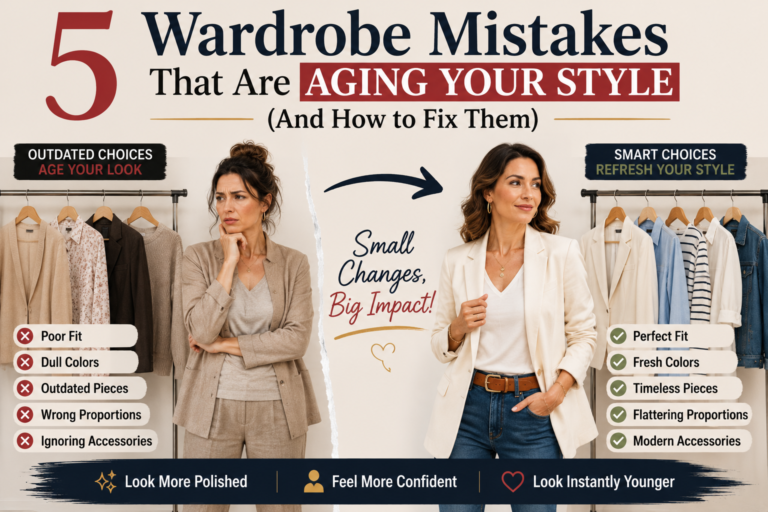
Common Styling Mistakes That Make Outfits Look Less Polished
Avoiding common mistakes can improve your appearance immediately without spending any money.
Wearing Clothes That Don’t Fit
Oversized and overly tight clothing both affect how polished you look. Every wardrobe benefits from pieces that fit your shoulders, waist, and length correctly.
Buying Trends Instead of Basics
Fashion trends come and go quickly. Basics stay useful for years and provide the foundation for almost every outfit.
Ignoring Shoes
People often focus on clothing while overlooking footwear.
Clean sneakers, polished loafers, boots in good condition, or classic flats can elevate an outfit instantly.
Wearing Too Many Accessories
Accessories should complement your outfit, not compete with it.
If everything stands out, nothing stands out.
Shopping Without a Plan
Impulse purchases often lead to closets full of clothes that don’t work together.
Create a shopping list before visiting stores to stay focused.
How Color Coordination Makes You Look More Stylish
Color coordination creates harmony, making outfits appear more intentional and visually balanced.
You don’t need to understand advanced color theory. Following a few simple guidelines is enough.
Monochromatic Outfits
Wearing different shades of the same color creates a clean and elegant appearance.
Examples:
- All black
- Navy with light blue
- Beige with cream
- Gray with charcoal
Neutral Plus One Accent
A reliable styling formula is:
- Two neutral colors
- One accent color
For example:
- White shirt
- Black trousers
- Green handbag
This keeps the outfit interesting without looking busy.
Dress for Your Lifestyle, Not Someone Else’s
The best wardrobe is one that matches your daily routine. Personal stylists always consider lifestyle before recommending clothing.
If you work remotely, buying several business suits may not be practical.
If you’re constantly traveling, wrinkle-resistant clothing may serve you better than delicate fabrics.
Parents may prioritize comfort and easy maintenance, while professionals in client-facing roles may benefit from structured blazers and polished footwear.
When your wardrobe reflects how you actually live, getting dressed becomes easier and more enjoyable.
Seasonal Styling Tips Without Buying a New Wardrobe
You don’t need a completely different wardrobe every season.
Instead, focus on layering.
Spring
- Light jackets
- White sneakers
- Cotton shirts
- Denim
Summer
- Linen
- Lightweight cotton
- Breathable footwear
- Neutral shorts
Fall
- Knit sweaters
- Boots
- Layered jackets
- Dark denim
Winter
- Wool coats
- Scarves
- Neutral sweaters
- Layering basics
Buying versatile layers instead of completely new outfits helps you stay stylish throughout the year while spending less.
People Also Ask
How can I dress like I have a personal stylist?
Start with well-fitting basics, choose colors that work together, keep your clothes clean and wrinkle-free, and build outfits intentionally. Professional styling is more about planning than spending money, so a thoughtfully organized wardrobe often looks better than one filled with expensive but mismatched pieces.
How do I look expensive without buying designer clothes?
Focus on proper fit, neutral colors, quality-looking fabrics, clean shoes, and simple accessories. Maintaining your clothes through steaming, repairing, and proper storage also helps affordable outfits appear more polished.
Can affordable clothing look fashionable?
Yes. Many affordable brands offer timeless wardrobe essentials that can look stylish when paired well. The way clothes fit, coordinate, and are maintained usually has a greater impact than the brand name.
Is hiring a personal stylist worth it?
A personal stylist can be helpful if you’re rebuilding your wardrobe or preparing for a major life change. However, many styling techniques can be learned independently through wardrobe planning, understanding fit, and practicing outfit coordination.
What is the easiest way to improve my style today?
Start by wearing clothes that fit properly, choosing simple color combinations, cleaning your shoes, ironing your clothes, and removing unnecessary accessories. These small changes often make the biggest visual difference.
Final Thoughts
Looking stylish isn’t about having the biggest clothing budget. It’s about making thoughtful decisions with the clothes you already own and buying new pieces with purpose.
If you remember one lesson from this guide, let it be this: great style is built through consistency, not constant shopping.
Professional stylists rely on principles like balance, fit, versatility, and coordination because those techniques work for everyone. They don’t depend on luxury labels or expensive wardrobes.
Take a look at your closet today. Identify the pieces you wear most often, remove items that no longer serve you, and begin building outfits around versatile essentials. Small improvements made consistently will transform your wardrobe over time.
Whether you’re dressing for work, travel, social events, or everyday life, these affordable personal styling tips can help you feel more confident and present your best self without overspending.
Conclusion
Learning how to dress like you have a personal stylist doesn’t require a designer budget or a closet full of luxury brands. It starts with understanding what makes an outfit look intentional. Prioritize fit, build a wardrobe around versatile basics, coordinate colors thoughtfully, maintain your clothing, and shop with a clear purpose.
As you apply these habits, you’ll spend less time wondering what to wear and more time feeling confident in your choices. The goal isn’t to own more clothes. It’s to make every piece you own work harder for you.
If you’re ready to refresh your wardrobe, begin with one small step today. Organize your closet, create three new outfits using pieces you already own, and make your next purchase a versatile item you’ll wear again and again. Consistent choices lead to lasting style.

Siddharth Kapoor is a fashion and lifestyle writer covering style trends, wardrobe choices, and everyday dressing for real people. He focuses on practical fashion — not runway looks — and writes for readers who want to look good without overthinking it. His articles on OpinionHook cut through the noise and tell you what actually works.